 Whalesbook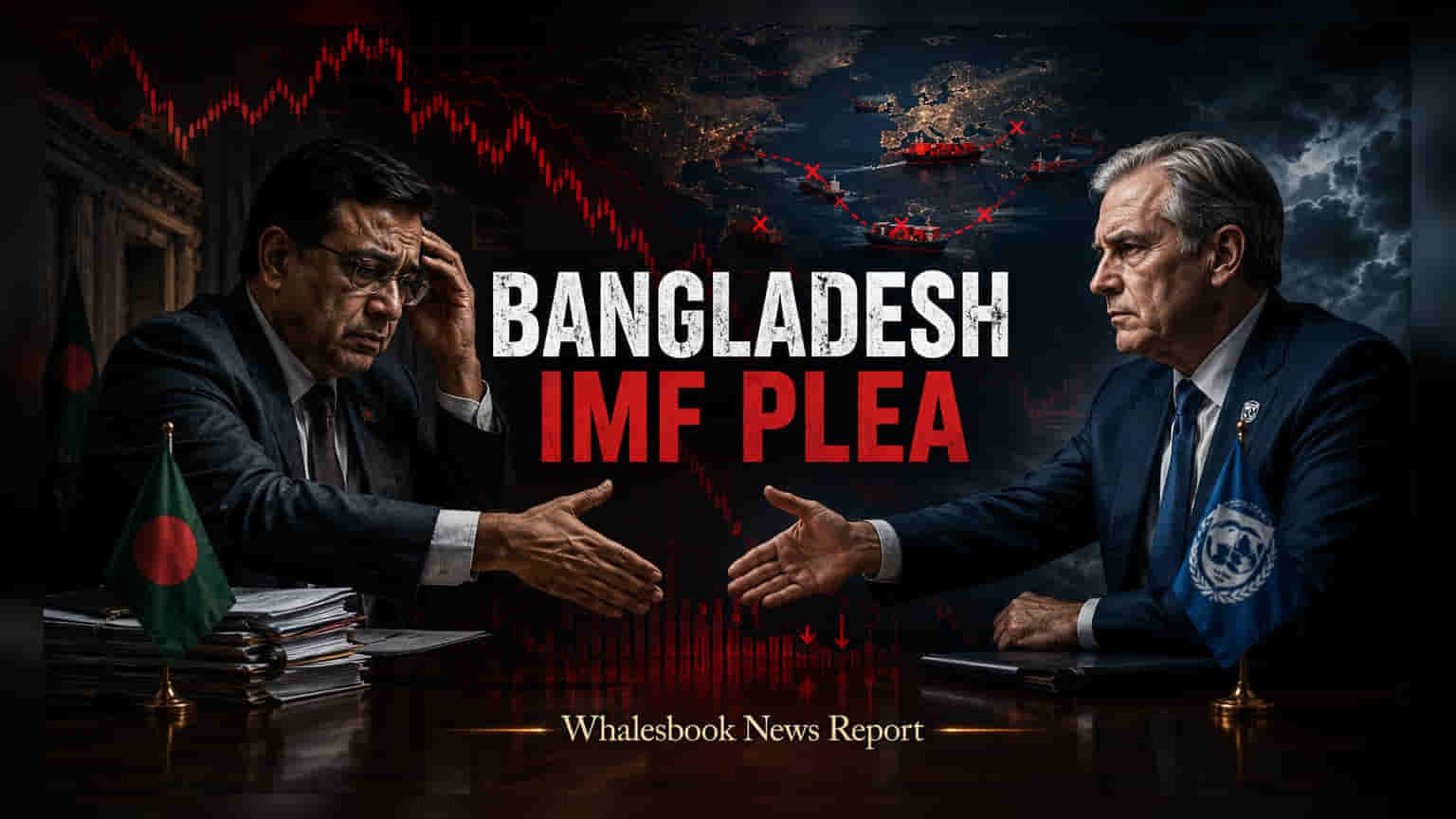


Shifting Strategy
Bangladesh is moving away from its current International Monetary Fund (IMF) loan facility and is negotiating a new $5 billion credit arrangement. Finance Minister Amir Khosru Mahmud Chowdhury discussed this shift with IMF leadership, acknowledging that the existing 2023 program doesn't fit the current economic situation. The government states that the previous deal's strict conditions are now too hard to meet due to external shocks from the regional conflict.
Economic Crisis Deepens
The need for a new loan is driven by major problems in energy supply and exports. Since late February, Bangladesh has faced significant energy shocks due to the conflict. Relying heavily on imported fuel, the country has seen its energy costs skyrocket. This has severely impacted manufacturing, leading to frequent power outages in industrial areas and forcing factories to use costly diesel generators. The garment industry, crucial for exports, is also suffering as demand from Europe and the US declines, worsening the country's foreign exchange shortage.
Regional Comparison and Debt Burden
Bangladesh's economic challenges are more severe than those of some regional peers. While countries like Vietnam and Cambodia saw slight growth in apparel exports, Bangladesh's shipments to the European Union dropped by nearly 20% in early 2026. The country's external debt has reached a record high of about $78 billion as of February 2026, with $26 billion due between 2026 and 2030. Analysts note that managing foreign exchange reserves, inflation, and public debt is difficult, especially with a low tax-to-GDP ratio of around 7%.
Underlying Risks
Despite the government's reform efforts, significant risks remain. Some critics view the move as a political tactic rather than a solid plan for stability. Concerns have been raised about recent changes to the Bank Resolution Act, seen by some as reducing transparency and potentially hindering IMF talks. The nation's fiscal situation is fragile, and the proposed $5 billion may not be enough if the conflict and high energy prices continue. Additionally, Bangladesh's upcoming graduation from Least Developed Country (LDC) status will remove trade benefits, further challenging its export industries.
What's Next
An IMF mission is expected in Dhaka soon to finalize the new loan framework. The success of this plan will depend on the government's ability to balance its reform commitments with the need to maintain social stability during a tough economic period.