

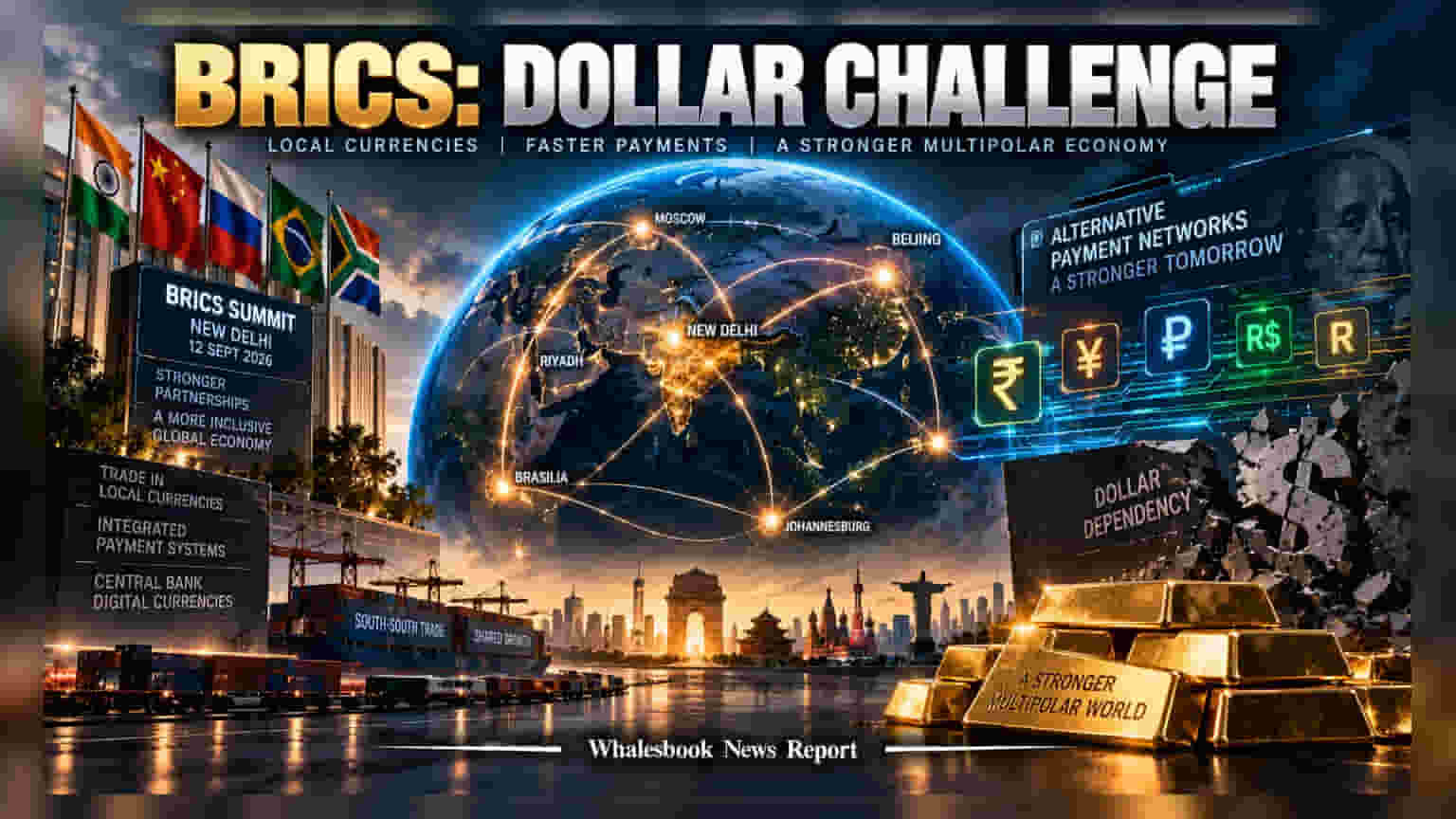
BRICS nations have clarified that a common currency is not on the agenda for the upcoming 18th summit in New Delhi. Instead, the bloc is prioritizing technical solutions like linking national payment systems and digital currencies to improve trade efficiency. This shift focuses on reducing reliance on Western financial networks while avoiding the complexities of a unified tender.
With the 18th BRICS Summit set to begin in New Delhi on September 12, 2026, member nations have provided clarity on their financial agenda. The group has officially moved away from the idea of creating a single, unified currency. Instead, the focus has shifted toward building a parallel financial ecosystem. This approach aims to make cross-border payments faster, cheaper, and less dependent on Western systems.
For months, market discussions were dominated by speculation about a potential BRICS currency to challenge the US dollar. However, officials have made it clear that this is not part of the plan. Instead, the bloc is working on technical solutions, such as linking national fast-payment systems—similar to India's Unified Payments Interface—and using Central Bank Digital Currencies. The goal is to allow businesses to trade directly using their own local currencies, reducing the need for intermediary banks and the US dollar.
India has been a strong voice against a common BRICS currency. Economists have long pointed out that the member nations have very different inflation levels, interest rates, and economic goals. Creating a single currency would require these countries to give up control over their own monetary policy, which major members are unwilling to do. Because of these deep economic gaps, a single tender remains impractical.
While this push for integrated payment systems seeks to lower transaction costs, it is not without challenges. For investors, it is important to monitor the implementation risks. Building a secure and reliable alternative to global networks like SWIFT involves massive technical and cybersecurity hurdles. Furthermore, there is the risk of external pressure. As nations try to reduce reliance on the US dollar, they may face potential retaliatory measures or sanctions from the US administration.
The success of this strategy will depend on whether these countries can actually build the necessary technical infrastructure. While intra-BRICS trade has grown, it still represents a small portion of total global trade, approximately 5%. Investors should watch for outcomes from the New Delhi summit, particularly regarding agreements on digital payment standards and any updates on how these systems will handle security and cross-border regulatory compliance.