

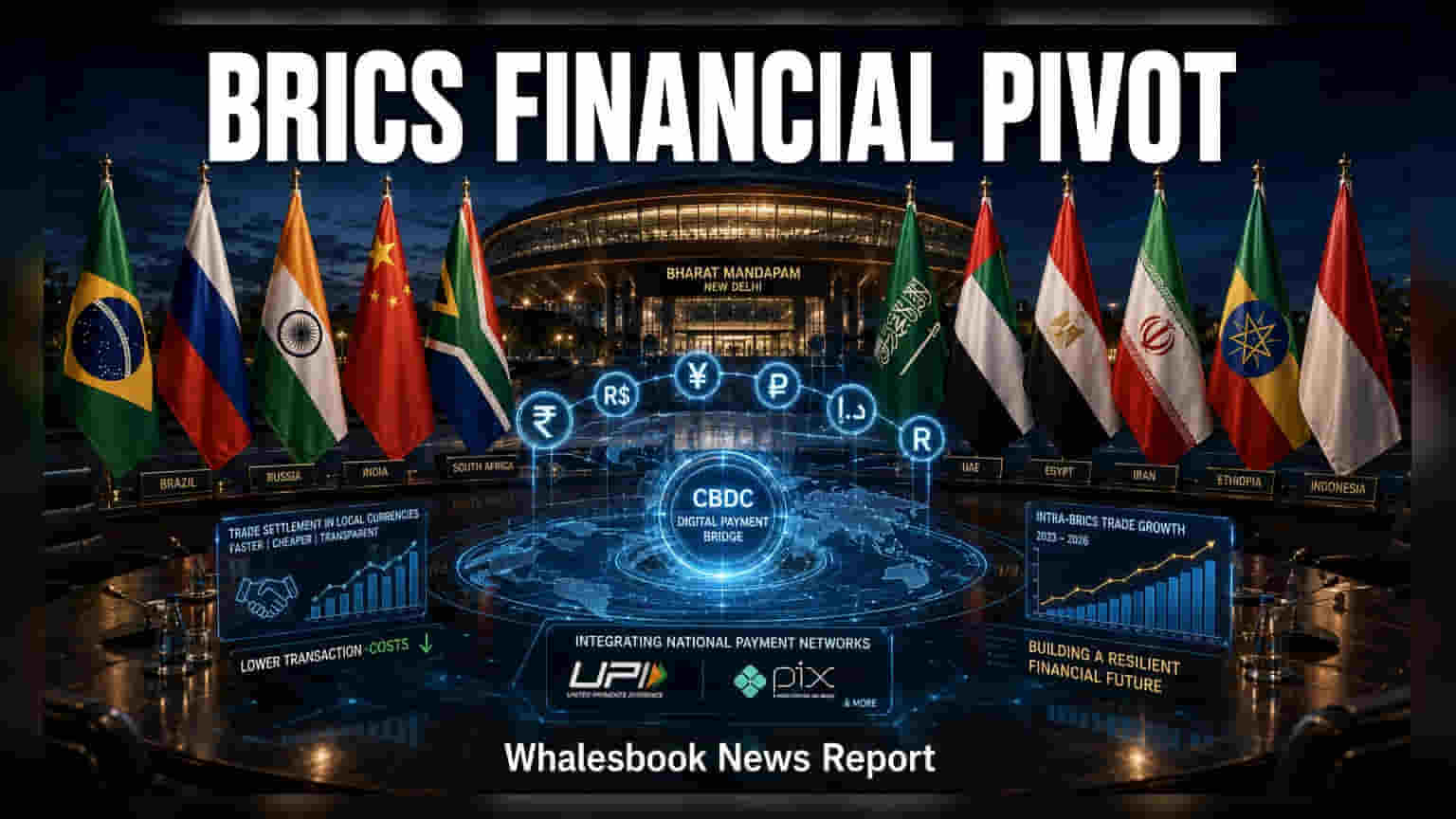
BRICS nations, ahead of the September 2026 summit in India, are developing a digital bridge to connect domestic payment systems like India's UPI. This initiative aims to facilitate trade in local currencies and reduce dependency on traditional global financial intermediaries to lower transaction costs.
India is set to host the 18th BRICS Summit in New Delhi on September 12–13, 2026, with a primary focus on reforming intra-bloc financial mechanisms. A key pillar of this agenda is the creation of a digital infrastructure that allows member nations to settle trade in their own currencies, rather than relying heavily on the US dollar or traditional global financial intermediaries.
Instead of pursuing a single, common BRICS currency—an idea that India has explicitly opposed—the group is exploring a digital bridge. This system would integrate existing national payment networks, such as India’s Unified Payments Interface (UPI) and Brazil’s Pix. By enabling a direct connection between these platforms and utilizing Central Bank Digital Currencies (CBDCs), the bloc aims to create a more efficient, real-time payment ecosystem. For Indian companies engaged in international trade, successful implementation could lead to lower transaction costs and reduced exposure to currency conversion risks.
Finance Minister Nirmala Sitharaman, who is currently managing a series of bilateral economic discussions abroad, is leading the preparations for the summit. The initiative also includes building a dedicated portal for small and medium-sized enterprises (SMEs) to better integrate them into global supply chains. By facilitating trade in local currencies, the bloc hopes to insulate its member economies from the external volatility often associated with global reserve currencies.
However, the path to implementation faces significant challenges. The most prominent is geopolitical friction. Member nations hold divergent views on international conflicts, particularly regarding West Asia, which has previously complicated efforts to release a unified declaration. Following a ministerial meeting in May that did not yield a consensus statement, the diplomatic stakes for the September summit remain high.
Investors may monitor the outcomes of the summit for clear signals on how these digital payment corridors will function in practice. Key areas to watch include the specific technical framework for the payment bridge, the scale of participation among member central banks, and whether the group can manage internal trade imbalances without triggering excessive currency volatility. Furthermore, the market will assess how these alternative financial systems are perceived by Western economies, as any move to circumvent established payment channels could potentially influence global regulatory sentiments and trade relations.