

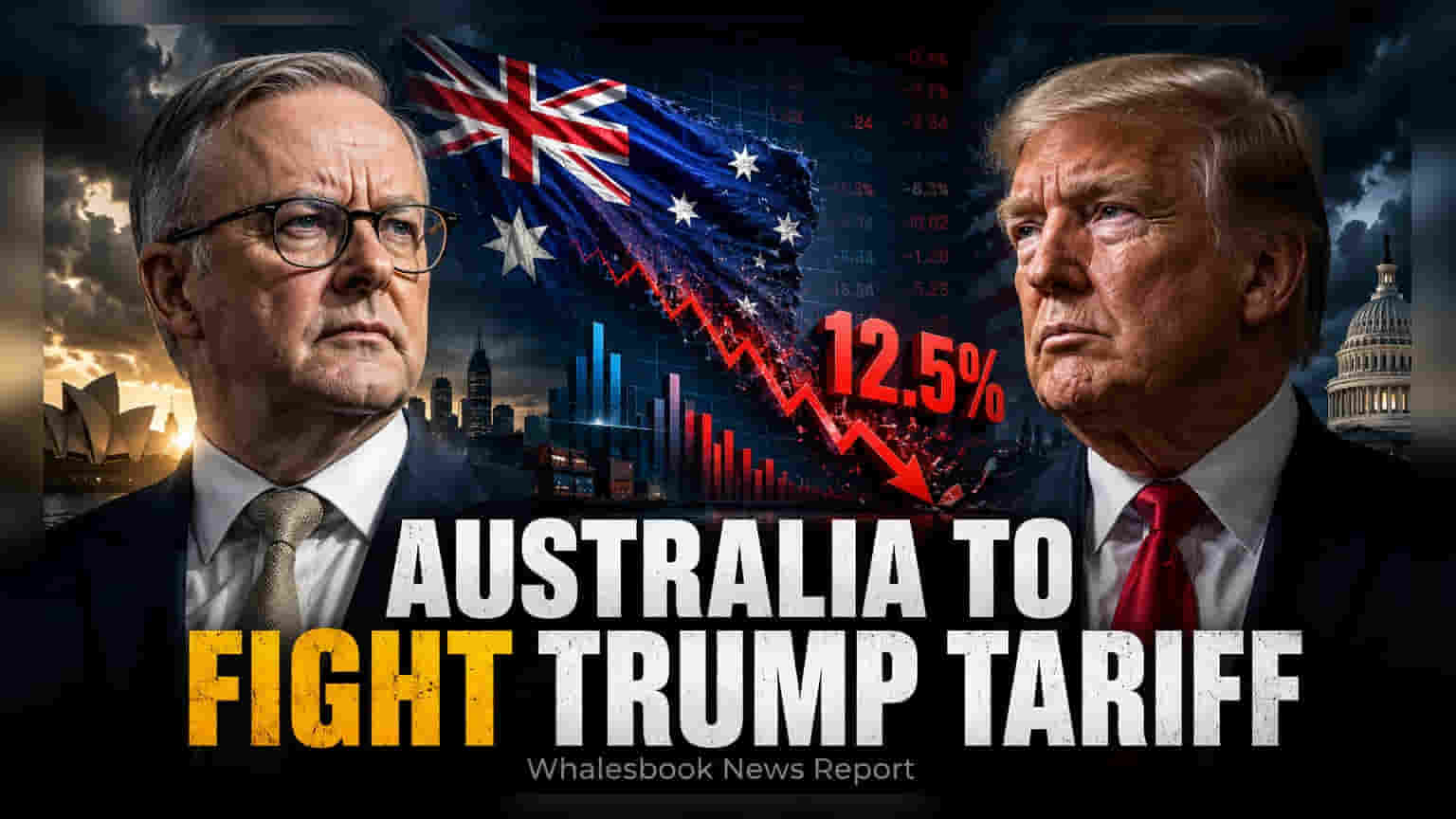
Australia plans to push back against the United States after a new 12.5% tariff was placed on its imports. The US move cites concerns over forced labor, which the Australian government denies. Investors should watch for potential impacts on trade relations and export costs for companies involved in bilateral commerce.
Detailed Coverage
Australian Prime Minister Anthony Albanese announced on Sunday that his government will formally challenge new trade barriers imposed by the United States. The US administration recently introduced a 12.5% tariff on goods imported from Australia and 37 other countries, claiming that these nations have not taken sufficient action to stop the use of forced labor in their supply chains.
The Australian government has publicly rejected these claims, describing the tariffs as unjustified. Prime Minister Albanese stated that Australia maintains strict modern slavery laws and continues to strengthen its enforcement mechanisms, including penalizing companies that fail to monitor their supply chains for labor abuses. The government is now preparing to engage with US officials to seek the removal of these barriers, which it views as contrary to the principles of free and fair trade.
Impact on Trade and Businesses
The imposition of this 12.5% tariff affects a broad range of goods and creates a new cost layer for businesses engaged in trade between the two nations. For Australian exporters, this additional tax may lead to higher landed costs in the US market, potentially pressuring profit margins or forcing companies to adjust their pricing strategies to remain competitive against domestic US producers or other international suppliers not subject to the same penalties.
Beyond Australia, the US trade action is extensive, impacting a total of 40 countries with varying tariff rates. While 38 nations face the 12.5% duty, other countries have been assigned different rates, including 10% and mixed tariffs, indicating a widespread shift in US trade policy focused on labor practices. This change suggests that global companies with complex supply chains may face increasing scrutiny and costs when exporting to the United States.
Monitoring Future Developments
For investors and market observers, the next steps will center on the diplomatic and trade negotiations between Canberra and Washington. Key items to track include whether the US provides specific evidence or a list of affected sectors, how Australian exporters manage these added costs, and if there are any retaliatory trade measures or formal dispute resolutions initiated through the World Trade Organization. The ongoing dialogue between the two governments will be the primary indicator of whether these tariffs remain in place or are eventually rolled back following policy discussions.