

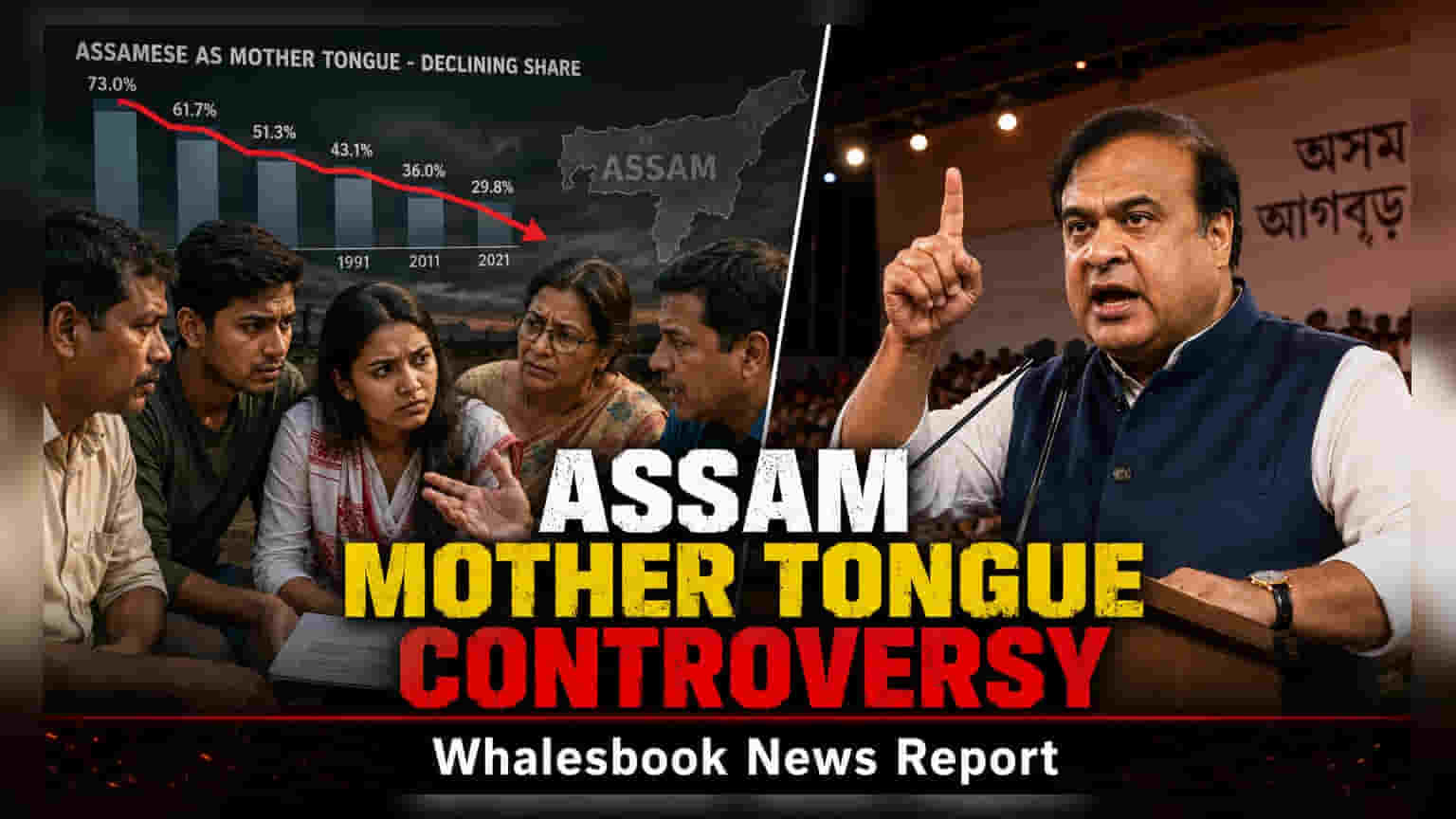
Assam Chief Minister Himanta Biswa Sarma has urged long-term settlers to list 'Assamese' as their mother tongue in the ongoing 2026 Census. This initiative aims to address the declining percentage of Assamese speakers observed since 1971. The Census data is essential for long-term state-level economic planning and resource allocation.
Assam Chief Minister Himanta Biswa Sarma has called on residents who have settled in the state from outside to register 'Assamese' as their mother tongue during the current Census exercise. This appeal is a strategic effort to support the demographic standing of the Assamese language, which has seen a shift in its population share over the past several decades.
Historical Census data highlights a steady decline in the number of people identifying Assamese as their mother tongue. In 1971, the figure stood at 59.53% of the state's population. By 2011, this percentage had dropped to 48.38%. Experts often point to migration patterns and the increasing preference of indigenous communities to identify with their own native tribal languages as primary contributors to this trend.
Scope and Exclusions
The Chief Minister clarified that this request is not aimed at the state's tribal communities or the Bengali-speaking population residing in the Barak Valley. He encouraged these groups to exercise their own discretion and declare their respective native languages. The administration has emphasized that the conservation of all local and tribal languages remains a priority, stating that tribal languages are as valuable to the state's cultural fabric as Assamese.
Importance for State Planning
For policymakers and observers of the regional economic environment, the Census is more than a demographic count. It serves as the primary dataset for government resource allocation, infrastructure planning, and public service delivery. Accurate population and language data are fundamental for designing state policies, educational planning, and determining budget priorities for future years. A successful and inclusive Census ensures that the state government has a clear picture of the demographic structure, which influences long-term development strategies.
Operations for the 2026 Census, which include house-listing and housing enumeration, began on August 2 and are scheduled to continue through September 15. The state government has acknowledged operational challenges, with exercises temporarily halted in flood-affected districts such as Sivasagar and Charaideo. Investors and stakeholders in the region may monitor the completion of this data collection process, as the findings will influence administrative focus and policy shifts in the years to come.