

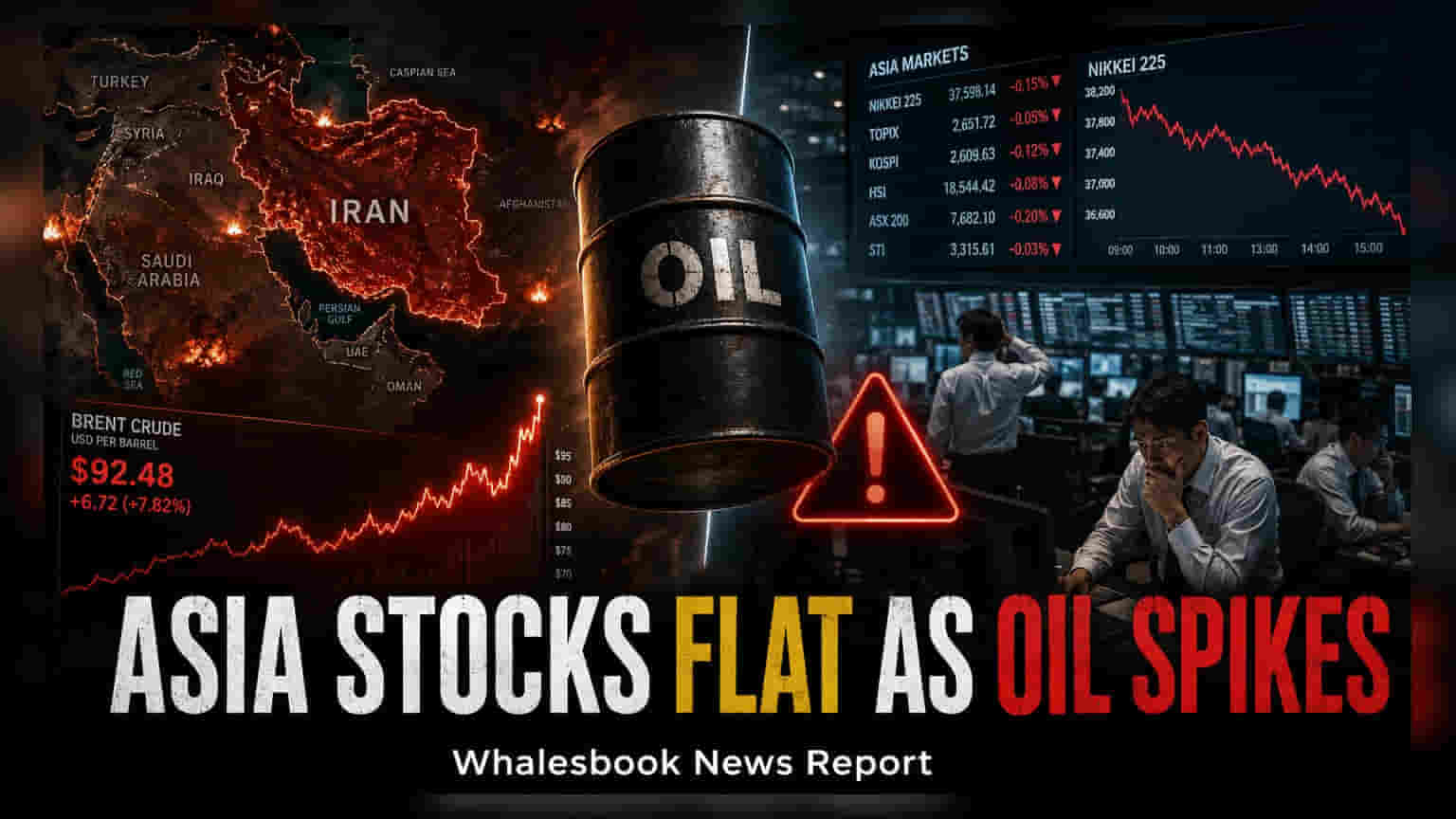
Asian markets remained flat on August 17, 2026, as Brent crude hovered near $88.50 per barrel amid ongoing tensions in the Middle East. High energy costs are stoking concerns about potential inflation, putting pressure on economic growth across the region. Investors are now turning their attention to upcoming economic data from China to assess the health of global demand.
Asian stock markets opened the week on a quiet note on Monday, August 17, 2026, as investors weighed the impact of rising energy costs against global economic cues. Trading across major Asian indices was largely sideways, reflecting a cautious sentiment driven by the persistent conflict in the Middle East.
The primary concern for markets is the price of oil. Brent crude oil remained steady near $88.50 a barrel following a 5-6% price increase last week. The tension is centered around the Strait of Hormuz, a critical shipping lane for global oil supplies. With traffic through the strait slowing to near three-month lows, the market is pricing in the risk that supply chains could face further disruptions. For Asian economies, which rely heavily on energy imports, sustained high oil prices act as a direct cost to businesses and consumers, fueling fears of rising inflation.
While energy costs weigh on sentiment, the global backdrop offers a counter-balance. U.S. stock futures showed minor gains as expectations grow that the Federal Reserve will hold interest rates steady next month. Recent economic data from the U.S., including slower retail sales and weaker consumer sentiment, have led many to believe that the aggressive rate hike cycle may be nearing an end. This potential stability in U.S. monetary policy is providing some support to global markets, preventing a sharper decline despite the geopolitical worries.
Investors are now shifting their focus toward China’s upcoming economic reports for July. As the world’s second-largest economy, China’s industrial and retail performance acts as a vital gauge for global growth. Economists are forecasting a potential slowdown in industrial output, and these figures will be critical for businesses that rely on Chinese manufacturing and consumer demand.
Looking ahead, the movement of oil prices will remain a key monitorable. Any further escalation in the conflict, or specific news regarding shipping routes in the Strait of Hormuz, could create rapid price swings in the energy market. For shareholders, the core risk remains that high fuel costs could hurt profit margins in sectors like transportation, logistics, and manufacturing, even if the broader interest rate environment begins to look more stable.