

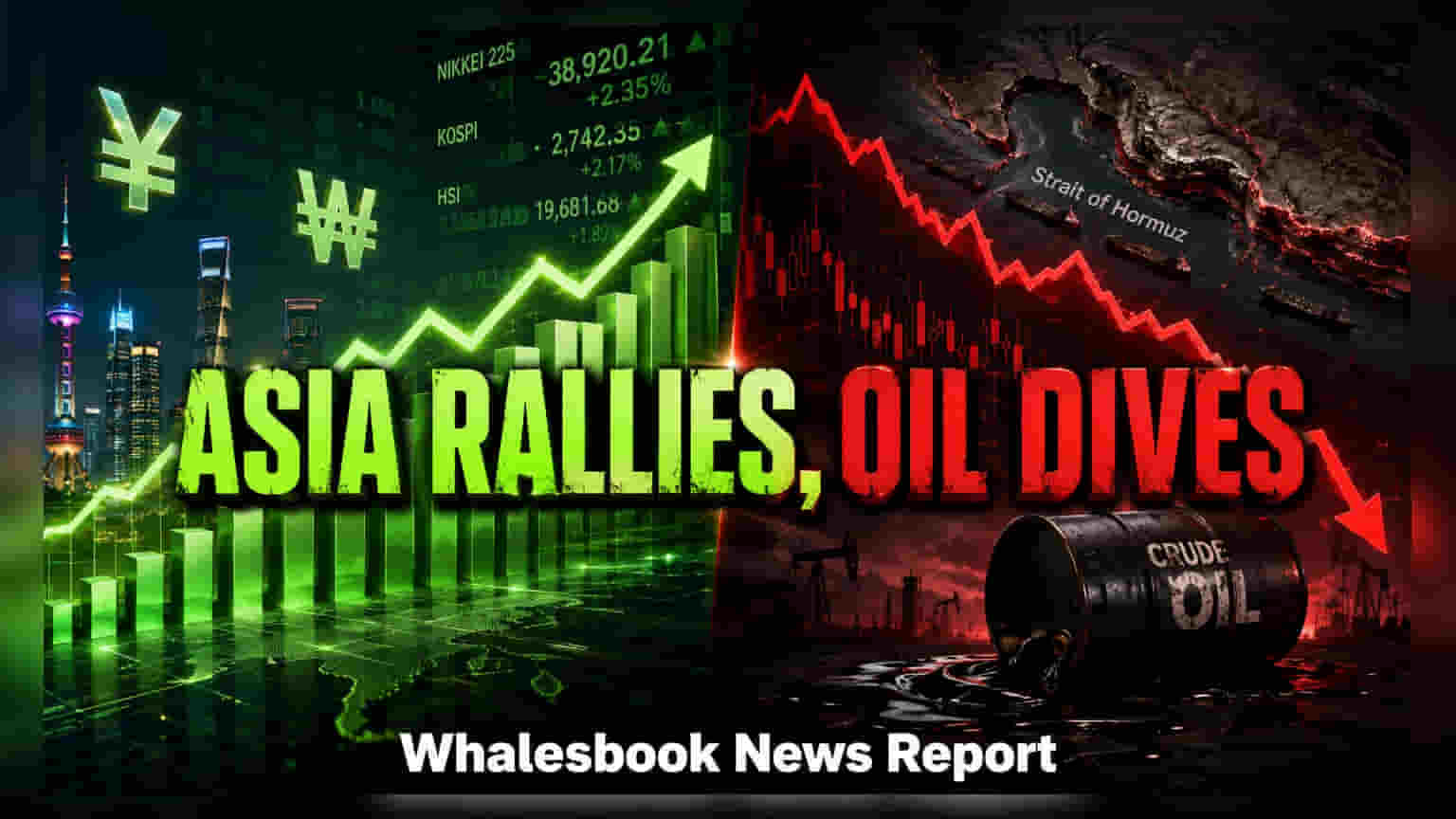
Asian equity markets climbed nearly 1% today as investors reacted to reports of potential indirect diplomatic talks between the US and Iran. The development triggered a sharp 5% decline in oil prices, easing concerns over the critical Strait of Hormuz shipping route. While this provides a relief rally, investors are carefully weighing this optimism against ongoing geopolitical uncertainty and official denials of direct negotiations.
Asian markets opened higher on August 5, 2026, with the MSCI Asia Pacific Index climbing by approximately 1%. Benchmarks in Japan, South Korea, and Australia recorded gains, mirroring the positive sentiment that followed the overnight performance on Wall Street. The primary catalyst behind this shift is optimism regarding potential diplomatic progress between the United States and Iran, specifically concerning the strategic Strait of Hormuz.
The Strait of Hormuz is a vital artery for global energy, and recent reports regarding a potential interim deal to reopen the waterway have eased supply concerns. This sentiment shift caused a sharp reaction in commodity markets, with both Brent and WTI crude oil prices falling more than 5% on August 4. The drop signals that traders are reducing the extra cost usually added to prices to account for the risk of conflict, which had been elevated due to ongoing regional tensions.
However, the path to a lasting resolution remains complex. While recent reports suggested a deal could be nearing, official sources in Tehran have denied holding direct negotiations with Washington. Instead, Iran has confirmed that only indirect discussions are taking place via Omani mediation, focusing specifically on maritime passage. This discrepancy creates a level of uncertainty for investors, as historical diplomatic efforts in the region have often faced sudden setbacks, and physical trade flows through the area remain constrained despite the hopeful headlines.
For investors, the volatility in energy prices carries wider implications for the global economy. A sustained decline in oil prices could potentially help ease inflationary pressures, which have been a primary concern for central banks worldwide, including the US Federal Reserve. This development offers some respite after a challenging July, which saw significant losses for many Asia-based hedge funds, particularly those heavily exposed to the technology and AI-related sectors.
The durability of this diplomatic progress remains the most important factor to track. If negotiations continue to move forward and the Strait of Hormuz remains stable, it could support global equities by tempering the need for aggressive interest rate hikes. However, investors should remain cautious, as any reversal in these talks or a renewal of military activity could quickly change market sentiment. Moving forward, the focus will be on official confirmations from both sides rather than reacting solely to preliminary reports.