

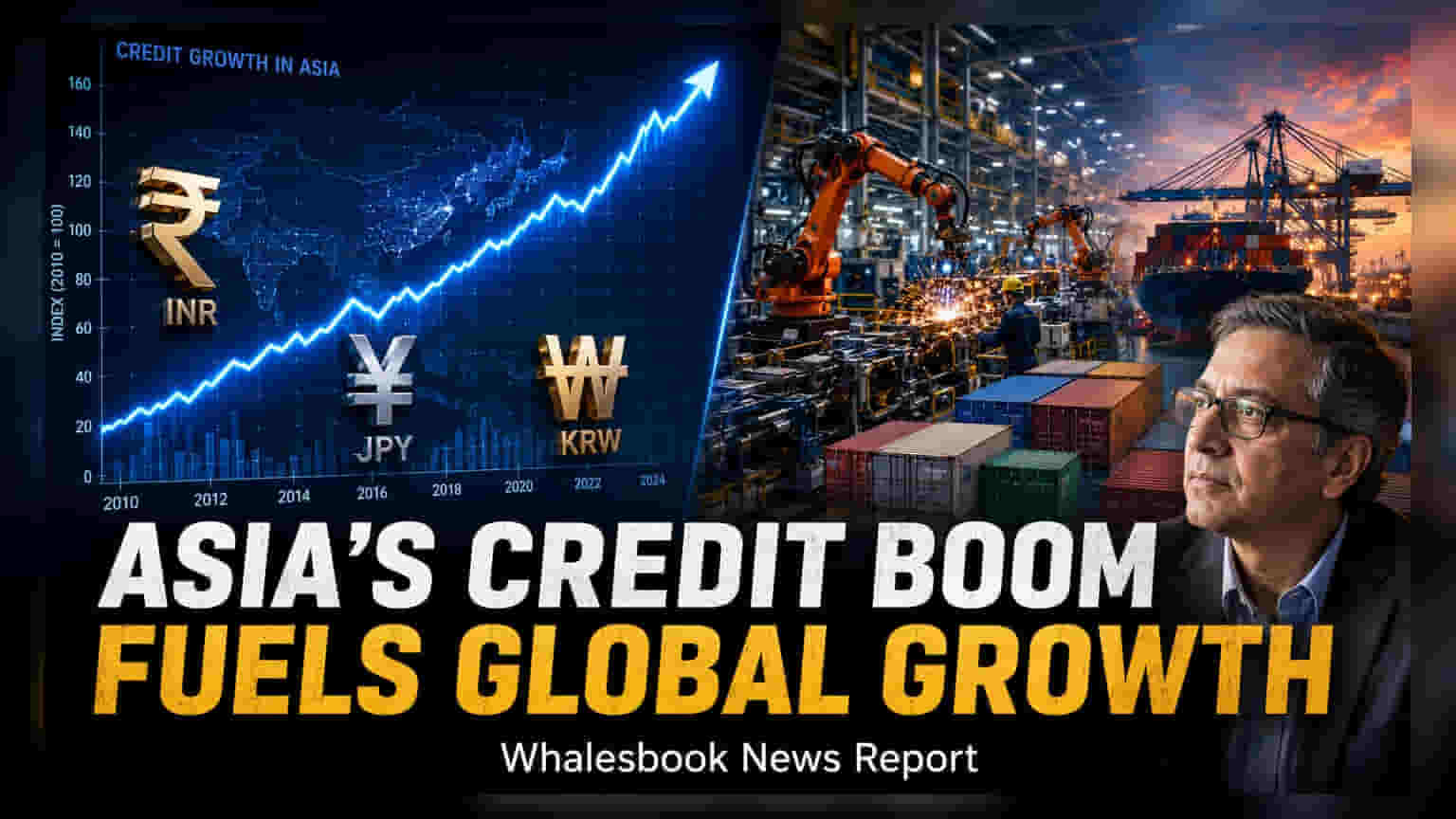
Bank credit across Asia, excluding China, has surged to its highest level in 18 years, powered by a global rise in infrastructure and manufacturing spending. India is emerging as a primary beneficiary due to increased domestic production and industrial capacity building. Unlike previous cycles driven by individual borrowing, this expansion is currently led by strong corporate lending.
Detailed Coverage
The banking sector across Asia is experiencing its most significant credit expansion in nearly two decades. According to data analysis from Morgan Stanley, this growth is not driven by typical consumer debt or household borrowing, but by a substantial rise in corporate spending on manufacturing, infrastructure, and energy supply chains.
India’s Role in the Manufacturing Cycle
India is positioned as a central player in this regional trend. Domestic companies are significantly increasing their money spent on expansion, supported by government-led manufacturing initiatives and a strategic shift toward onshoring—the process of bringing supply chains back within national borders. This wave of industrial investment is fueling a sustained demand for bank loans from the corporate sector, which is currently outpacing growth in retail or personal credit.
The Global Capital Expenditure Context
This increase in lending is part of a broader global movement. Similar trends are visible in the United States and Europe, where high levels of investment in industrial capacity are bolstering international trade. Analysts note that this cycle resembles the robust investment patterns seen in the mid-2000s. A key difference today, however, is the state of corporate balance sheets. Many companies currently operate with lower levels of debt compared to past cycles, providing them with more financial flexibility to fund new projects.
Growth Forecasts and Economic Risks
While the current outlook for India’s GDP growth remains steady at approximately 6.7%, there is potential for this figure to move higher if global oil prices stabilize. Fluctuations in crude oil prices remain a significant pressure point for the Indian economy, often tempering growth forecasts. While there is market attention on investments in artificial intelligence, energy infrastructure and supply chain diversification are identified as more substantial contributors to the actual capital being deployed across the Asian region.
What Investors Should Monitor Next
For investors and market observers, the sustainability of this credit growth will depend on how efficiently corporations deploy these funds. The key factors to track include the actual commissioning dates of new manufacturing projects and the ability of companies to manage their debt-to-equity ratios as they borrow to expand. Additionally, the trajectory of crude oil prices will remain a critical variable that could either support or pressure corporate profit margins and overall economic output in the coming quarters.