

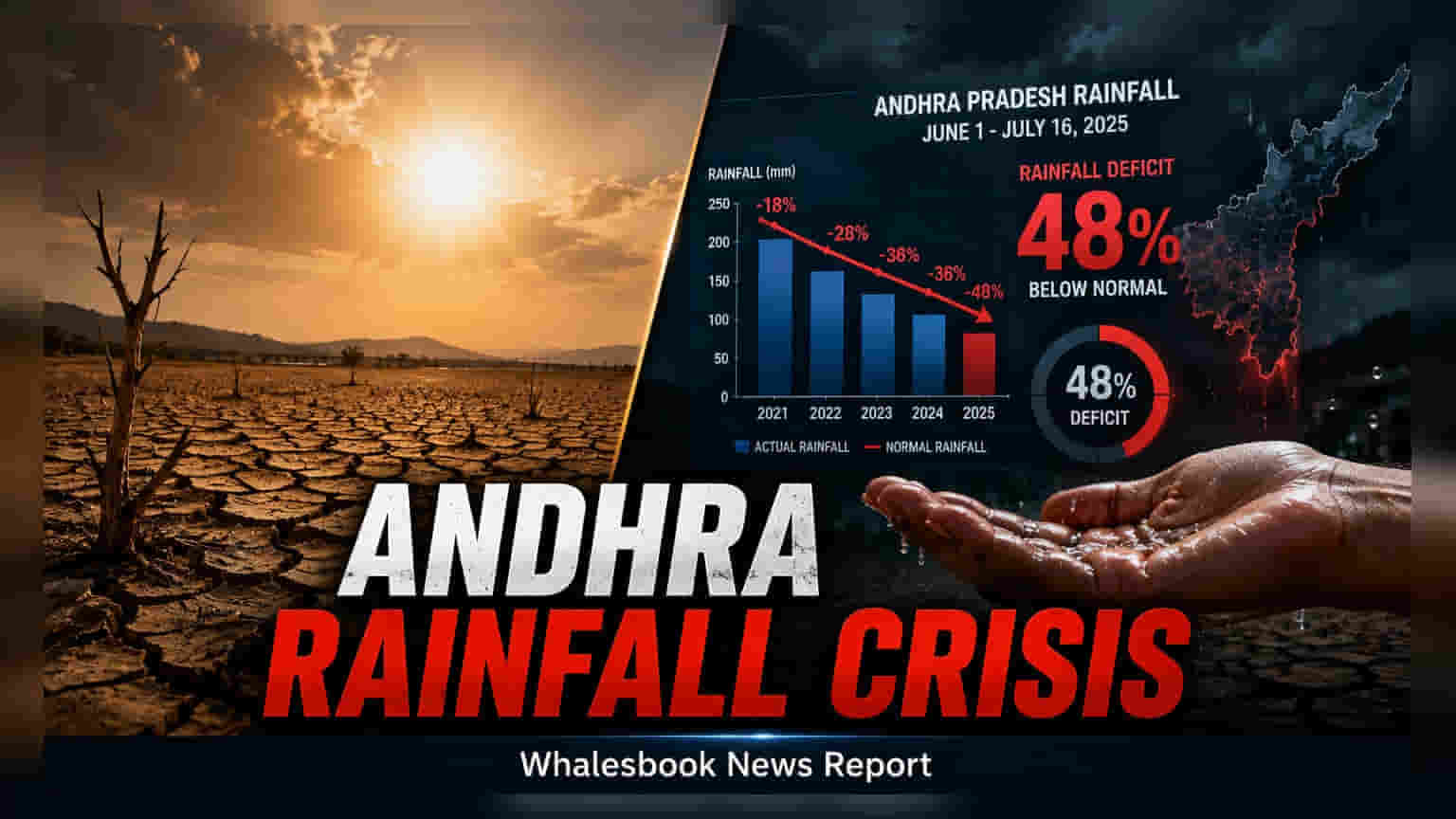
Andhra Pradesh is dealing with a 48% rainfall deficit, raising concerns for the state’s agricultural productivity. Chief Minister N. Chandrababu Naidu has called for urgent water conservation and highlighted the completion of major irrigation projects to protect farming. Investors should monitor how these water management strategies impact agricultural output and rural demand in the coming months.
Andhra Pradesh is currently navigating a significant environmental and agricultural challenge, with the state reporting a 48% deficit in rainfall. This shortage has triggered a proactive response from the state government, with Chief Minister N. Chandrababu Naidu emphasizing the need for immediate water conservation and sustainable agricultural practices. For the state, which remains a key contributor to India’s agricultural output, stable water supply is a fundamental requirement for consistent economic performance.
Irrigation Infrastructure and Agricultural Support
The government is focusing on strengthening irrigation infrastructure to reduce the state's reliance on monsoon patterns. Chief Minister Naidu highlighted the role of the Pattiseema Lift Irrigation Project, which was instrumental in transferring water from the Godavari to the Krishna delta during previous periods of low inflows. The state is now prioritizing the completion of the Polavaram Project and the inter-linking of rivers, such as the Vamsadhara to Penna projects, to build a more drought-resistant farming ecosystem.
These infrastructure efforts are critical because agricultural health is closely linked to rural consumption patterns in the state. Consistent irrigation helps mitigate the impact of irregular rainfall on crops, which historically supports the local economy. Beyond traditional agriculture, the state government is also in discussions with the Central Government to provide support for the aqua farming sector. This sector is currently facing operational pressure due to a combination of falling shrimp prices and rising feed costs. Ensuring that these input cost pressures are managed is vital for sustaining the viability of aqua farmers.
Investor Monitorables
The primary monitorable for investors interested in the region's economy will be the progress of key irrigation projects like Polavaram. Delays in these projects often lead to cost increases, which can pressure state finances. Additionally, observers should track whether the government's intervention in the aquaculture sector—particularly regarding pricing support and feed costs—successfully stabilizes margins for farmers. As the state balances these water scarcity risks with infrastructure development, the overall impact on regional agricultural productivity and rural spending power will remain a core trend to watch.