

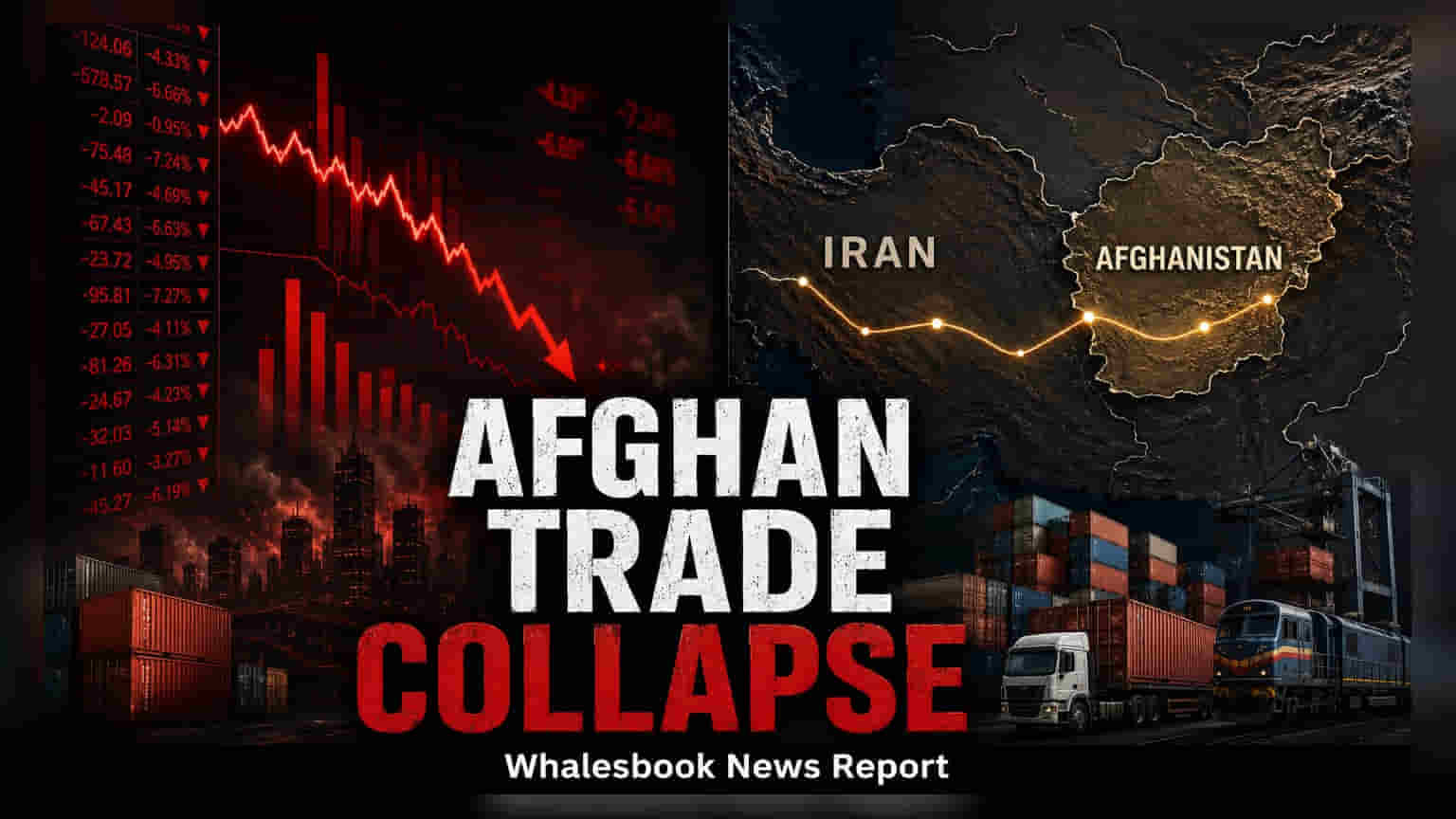
Transit trade between Afghanistan and Pakistan dropped to USD 367 million in the recent fiscal year, down from USD 5 billion in 2021. This sharp 93% decline reflects a deliberate shift by Kabul toward Iranian trade routes. The trend began well before Pakistan’s border closure in October 2025, signaling a permanent change in regional trade dynamics.
The trade relationship between Afghanistan and Pakistan has undergone a massive transformation, with official data revealing a 93% collapse in transit trade value over the last few years. The transit volume, which stood at a robust USD 5 billion in 2021, fell to just USD 367 million during the most recent fiscal year ending in 2026. This contraction is further illustrated by the sharp drop in container traffic, which fell to 11,592 units in the last fiscal year, compared to significantly higher figures in previous years.
Strategic Shift Toward Iranian Ports
Market analysts note that this decline is not merely a reaction to temporary border security measures but a calculated strategic pivot. Kabul has been actively reducing its reliance on Pakistani ports by diverting cargo through Iranian infrastructure, most notably the Chabahar Port. While Pakistan was once the primary gateway for Afghan goods, the current data suggests that Afghanistan is prioritizing trade diversification to gain greater geopolitical and economic independence.
Historical Context and Recent Trends
To understand the magnitude of this shift, one must look at the historical progression of transit trade. In the years leading up to the 2021 political change in Kabul, container traffic had steadily grown, peaking at nearly 89,000 containers valued at USD 5 billion. Even after the change in government, trade briefly surged to USD 6.7 billion in FY-23. However, the momentum reversed sharply thereafter, with volumes dropping to USD 1.36 billion in FY-25. The current fiscal year figures confirm that this downward trend was already deeply entrenched before the border closure in October 2025.
Economic Implications for the Region
This move toward alternative logistics routes carries significant economic consequences. While it may provide Afghanistan with greater control over its supply chain, it also introduces higher transport and logistics costs. These increased expenses are likely to contribute to inflationary pressure within Afghanistan, particularly impacting the eastern and southern regions that historically depended on proximity to Pakistani markets. Furthermore, the reduction in cross-border commercial activity has direct implications for local employment and income generation in the border districts on both sides. As trade routes stabilize along these new corridors, the key monitorable for regional trade analysts will be whether these higher logistics costs remain sustainable for the Afghan economy or if they trigger further shifts in commodity pricing.