

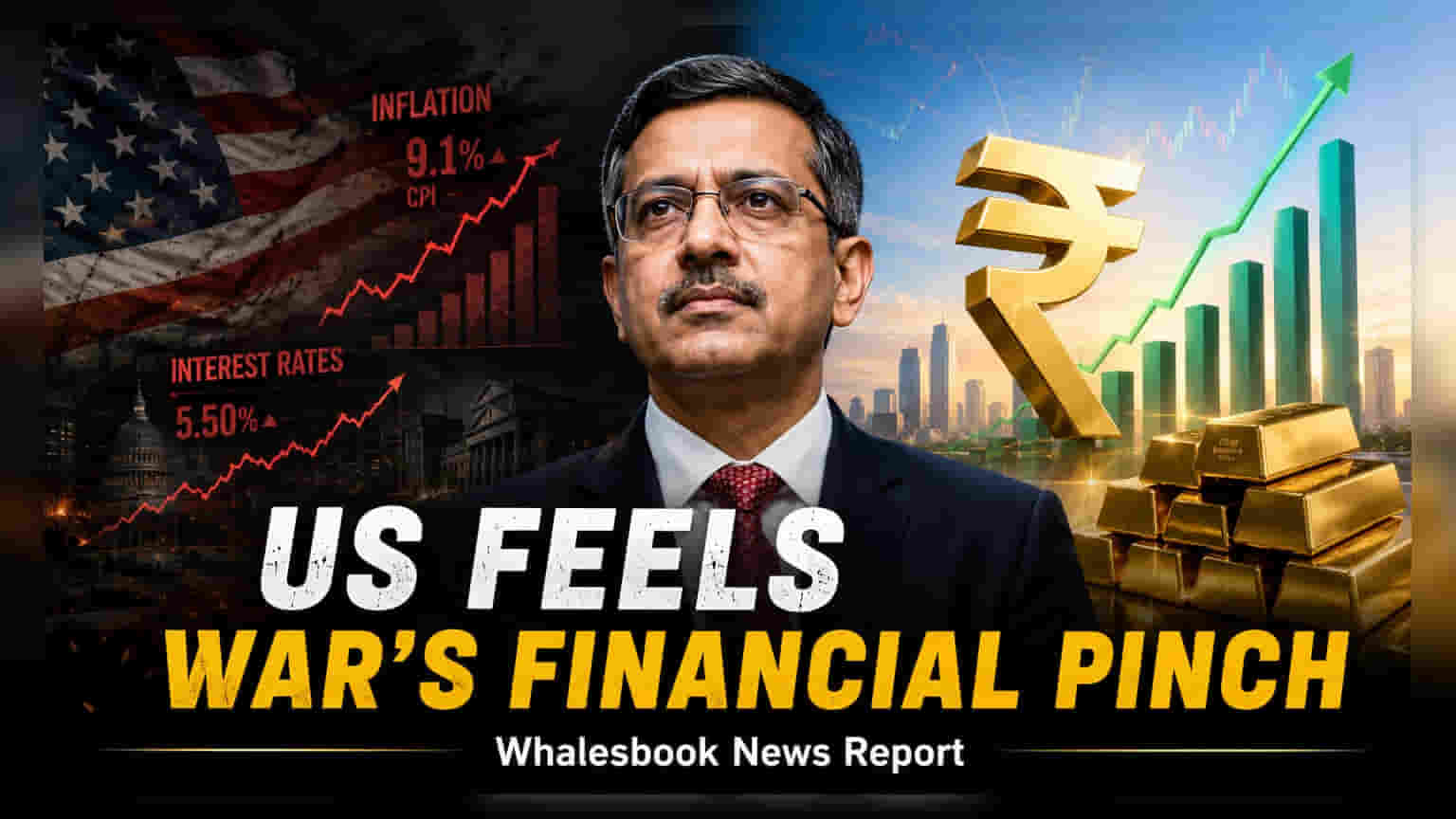
A. Balasubramanian, CEO of Aditya Birla Sun Life AMC, notes that rising US inflation and interest rates from geopolitical tensions are impacting global stability. However, he remains optimistic about Indian markets, citing strong FCNR deposit inflows and government-backed industrial growth initiatives.
Detailed Coverage
A. Balasubramanian, the Managing Director and CEO of Aditya Birla Sun Life AMC, has shared his outlook on how ongoing geopolitical conflicts are affecting the global economy, with a specific focus on the financial pressures building within the United States. According to his analysis, the prolonged nature of these conflicts is creating a difficult environment for the US, characterized by persistent inflation and high interest rates. These economic conditions are making the continued financing of such geopolitical tensions increasingly challenging.
Impact on Energy and Markets
Balasubramanian highlighted that geopolitical uncertainty often translates into commodity price volatility. As an example, the delay in diplomatic discussions involving major players like Iran, Israel, and the US recently caused crude oil prices to fluctuate. He noted that such instability is not sustainable for any global economy in the long run. As markets react to these external pressures, the potential for a negotiated settlement becomes a factor that investors consider when evaluating energy costs and inflation trends.
Domestic Strength for Indian Investors
Despite the external volatility, the outlook for the Indian market remains positive according to Balasubramanian. Several domestic factors are expected to act as a buffer against global market turbulence. He pointed to substantial inflows into Foreign Currency Non-Resident (FCNR) accounts, which are projected to reach between $50 billion and $60 billion by September. These inflows are expected to play a critical role in stabilizing the Indian Rupee and strengthening the country's foreign exchange reserves.
Other domestic supports include the government’s continued focus on Production-Linked Incentive (PLI) schemes, which encourage manufacturing growth, and the anticipation of a new pay commission. These initiatives are seen as potential catalysts for economic momentum in the second half of the year. Furthermore, he noted that a favorable monsoon season is helping to ease previous concerns regarding rural consumption and demand.
Strategic Portfolio Considerations
Looking ahead, Balasubramanian anticipates that the second quarter will likely demonstrate steady corporate performance following a reasonable start to the financial year. With the festival season approaching and a pipeline of new public listings, the market expects to see continued participation from both retail and global investors.
He also addressed the role of alternative assets, specifically recommending that investors maintain a strategic allocation of 5% to 10% in gold. He views gold as a necessary hedge against ongoing geopolitical stress and structural inflation, which he expects to remain a theme for the next three to four years. For investors, the key monitorable will be how these domestic supports, such as FCNR inflows and government incentives, translate into broader market stability and corporate growth in the coming months.