 Whalesbook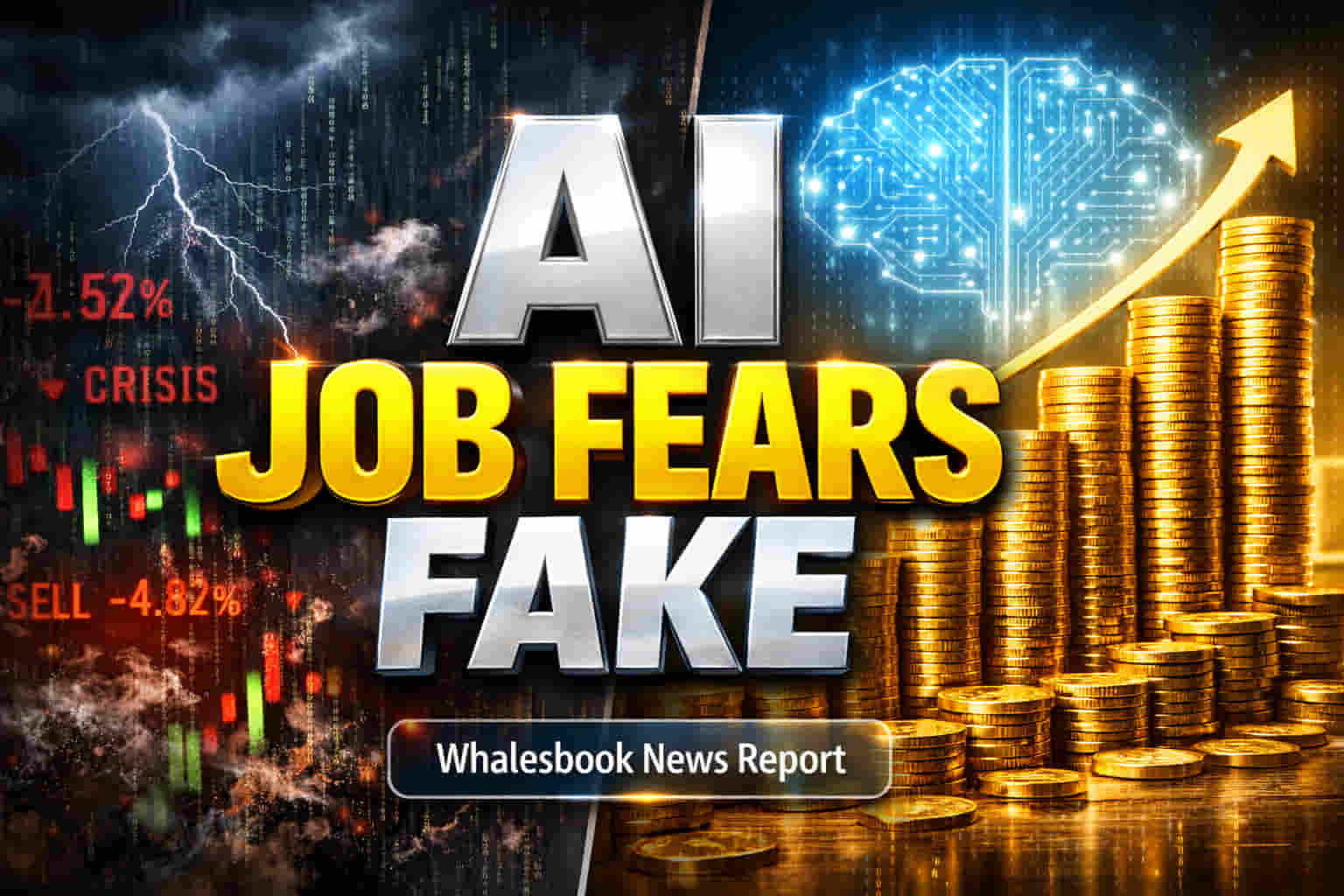


The AI Apocalypse Narrative Versus Economic Logic
The recent market jitters, amplified by a Citrini research report, highlight a stark divergence between sensationalist predictions and established economic principles. The report posited a dystopian future where widespread AI adoption eradicates white-collar jobs, leading to plummeting consumption, rising foreclosures, and a systemic financial crisis. This narrative plays directly into primal human anxieties about technological disruption and job security. The immediate market sell-off reflects a visceral reaction to this doomsday scenario, a common pattern when fear overshadows rational analysis. This alarmist vision, however, is being challenged by a more grounded economic perspective, one that views AI not as an economic harbinger of doom, but as a powerful engine for productivity growth. Such narratives often gain traction due to evolutionary predispositions that prioritize threat detection over nuanced analysis, explaining their outsized impact on market sentiment.
The Productivity Paradox and Historical Precedent
Economic research, including analysis from entities like Citadel, refutes the core premise of the AI-driven economic collapse narrative. The fundamental argument is that technological advancements that boost productivity inherently lead to higher Gross Domestic Product (GDP) and increased aggregate income. It is economically inconsistent for a society to experience a significant increase in productivity and yet witness a dramatic decline in overall consumption. Historically, periods of rapid technological change, such as the Industrial Revolution or the advent of the internet, were accompanied by similar fears of mass unemployment and economic ruin. Yet, these eras ultimately fostered unprecedented wealth creation and improved living standards, even as they reshaped the labor market. While AI will undoubtedly displace certain jobs and necessitate significant workforce adaptation, its role as a productivity enhancer suggests a net positive impact on income and consumption in aggregate.
Market Volatility and Opportunity in Fear
The market's recent sensitivity to AI-related doomsday scenarios, rather than succumbing to them, presents a potential inflection point. Many economists view AI as a general-purpose technology comparable to electricity or computing, which, despite initial disruptions, spurred economic expansion and created new industries. The rapid adoption of AI tools in sectors ranging from software development to customer service is demonstrably increasing efficiency. The Citrini report's stark portrayal of software engineers becoming taxi drivers, while a vivid image, overlooks the dynamic nature of economies adapting to new technologies. The expectation of rising aggregate income from increased productivity suggests consumption levels will likely follow suit, contradicting the collapse scenario. This disconnect creates a fertile ground for investors who can differentiate between fear-driven speculation and the enduring economic logic of technological progress.
The Bear Case: Distributional Challenges and Regulatory Hurdles
While a broad macroeconomic collapse driven by AI seems improbable, significant challenges and risks persist. The primary concern is not a lack of aggregate wealth creation, but the distribution of that wealth. If the gains from AI-driven productivity are concentrated among capital owners and a select group of highly skilled workers, it could exacerbate income inequality, leading to social and economic stratification. Furthermore, the pace of AI adoption may outstrip the economy's ability to retrain displaced workers, creating localized hardship and social unrest. Regulatory bodies worldwide are grappling with how to govern AI, with potential for restrictive policies or unintended consequences that could stifle innovation or create new vulnerabilities. Unlike previous technological shifts, the autonomous nature of some AI systems raises unique ethical and control concerns that could introduce unforeseen systemic risks. The transition period, marked by job market rebalancing and the integration of sophisticated AI, could be volatile, presenting opportunities for sophisticated risk management rather than outright panic selling. The potential for AI to be misused or to create novel forms of market manipulation also warrants careful scrutiny by investors and regulators.
Outlook: Navigating AI's Dual Impact
The prevailing sentiment among many financial analysts and economists is cautiously optimistic regarding AI's long-term economic impact. While acknowledging the dislocations and challenges associated with rapid technological change, the consensus leans towards AI as a net positive for global productivity and economic growth. The narrative battle between AI as a job destroyer and AI as a productivity enhancer continues, but the historical track record of technological evolution offers a compelling argument for the latter. Investors are advised to look beyond sensationalist headlines and assess AI's trajectory through the lens of fundamental economic principles and historical patterns. Fear-driven sell-offs, often triggered by narrative-based anxieties rather than concrete economic deterioration, can serve as valuable opportunities for strategic capital deployment, particularly in companies genuinely leveraging AI to drive efficiency and innovation.