

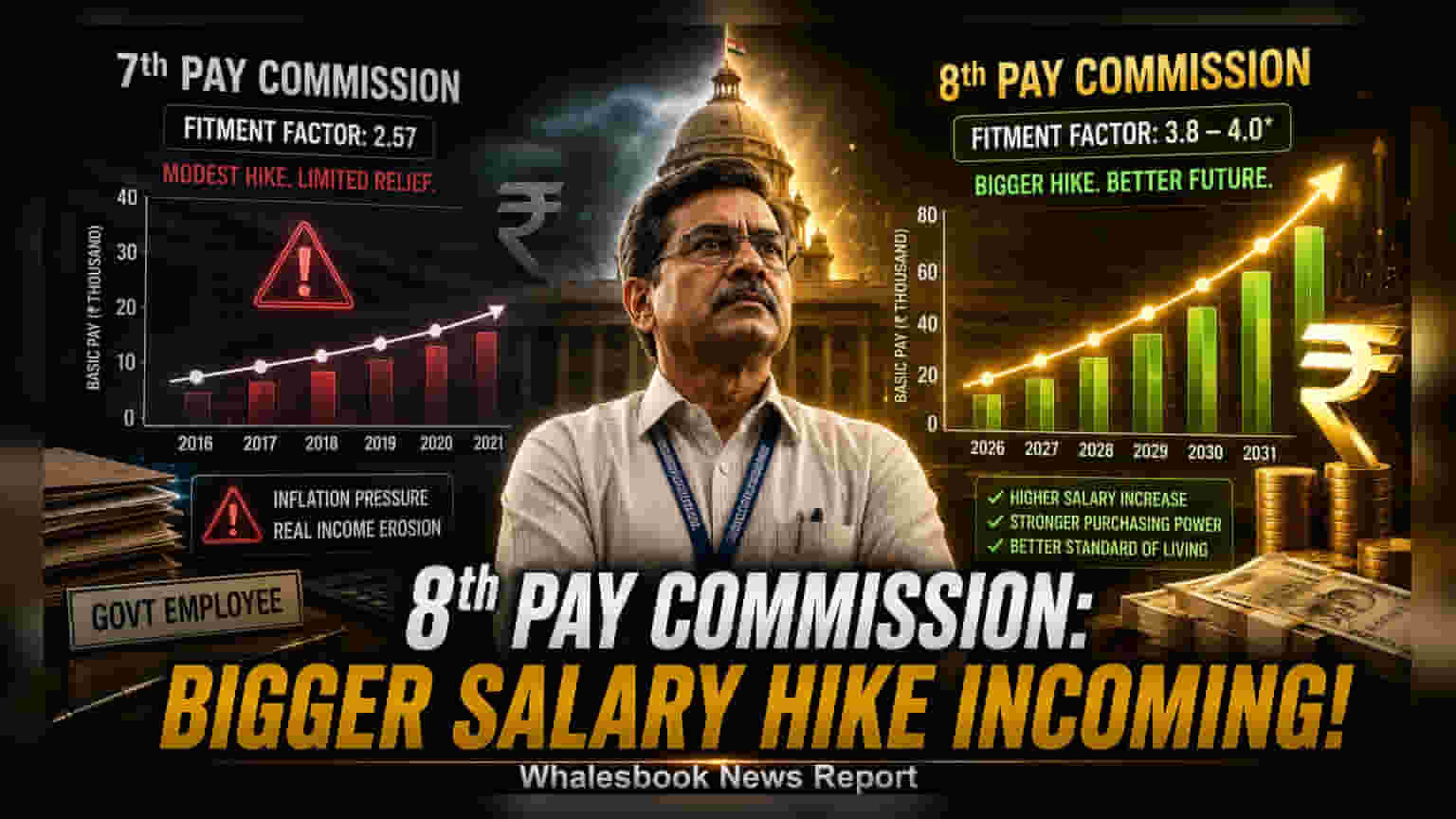
The 8th Central Pay Commission, established in November 2025, is currently in its consultation phase, with a final report expected by mid-2027. While various employee unions are proposing higher salary structures and fitment factors to combat inflation, no official decisions or pay revisions have been finalized by the government.
The 8th Central Pay Commission (8th CPC), which was officially constituted on November 3, 2025, is currently actively gathering input from stakeholders across the country. As the commission works toward its final report, which is expected to be submitted by May-June 2027, discussions regarding potential salary hikes and fitment factors have intensified among government employee associations.
Understanding the Process and Expectations
Central government employee unions are advocating for significant revisions to the existing salary structure. These discussions often center on the 'fitment factor,' a multiplier used to calculate the new basic pay from the existing pay structure. During the 7th Pay Commission, this factor was set at 2.57. Because the final 8th CPC structure is not yet decided, representatives from various employee federations have publicly proposed higher fitment factors, sometimes suggesting ranges between 3.8 and 4.0, to address the impact of inflation since the last revision.
It is important for readers to understand that any figures currently circulating regarding specific basic pay increases—such as potential jumps to Rs 38,000 or similar estimates—are proposals from union representatives. These numbers do not reflect official government decisions or confirmed policy. The government is expected to evaluate these demands alongside broader economic factors before reaching a final decision once the commission submits its report.
Why the Timeline and Fiscal Context Matter
For the broader economy and market, the outcomes of a Pay Commission are watched closely due to their impact on government expenditure. Significant increases in salaries and pensions can lead to higher government spending, which influences the fiscal deficit and overall budgetary planning. Analysts and policymakers generally consider these factors carefully, as major salary hikes can also have inflationary effects on the economy.
The 18-month timeline set for the commission indicates that the process is designed to be comprehensive and deliberative. Unlike rapid market adjustments, this is a policy-driven exercise that balances the needs of government employees with the country's fiscal prudence. Consequently, the long period between the commission's setup and the final report suggests that official changes are not immediate.
Next Steps for Monitorables
The 8th Pay Commission is continuing its work through regional consultations, with meetings scheduled in cities such as Jaipur in late August 2026. These interactions serve as a platform for employees to present their concerns directly to the commission members. Investors and observers may track these ongoing consultation phases and any future official statements from the commission or the government for updates, rather than focusing on speculative projections about the final pay structure.