 Whalesbook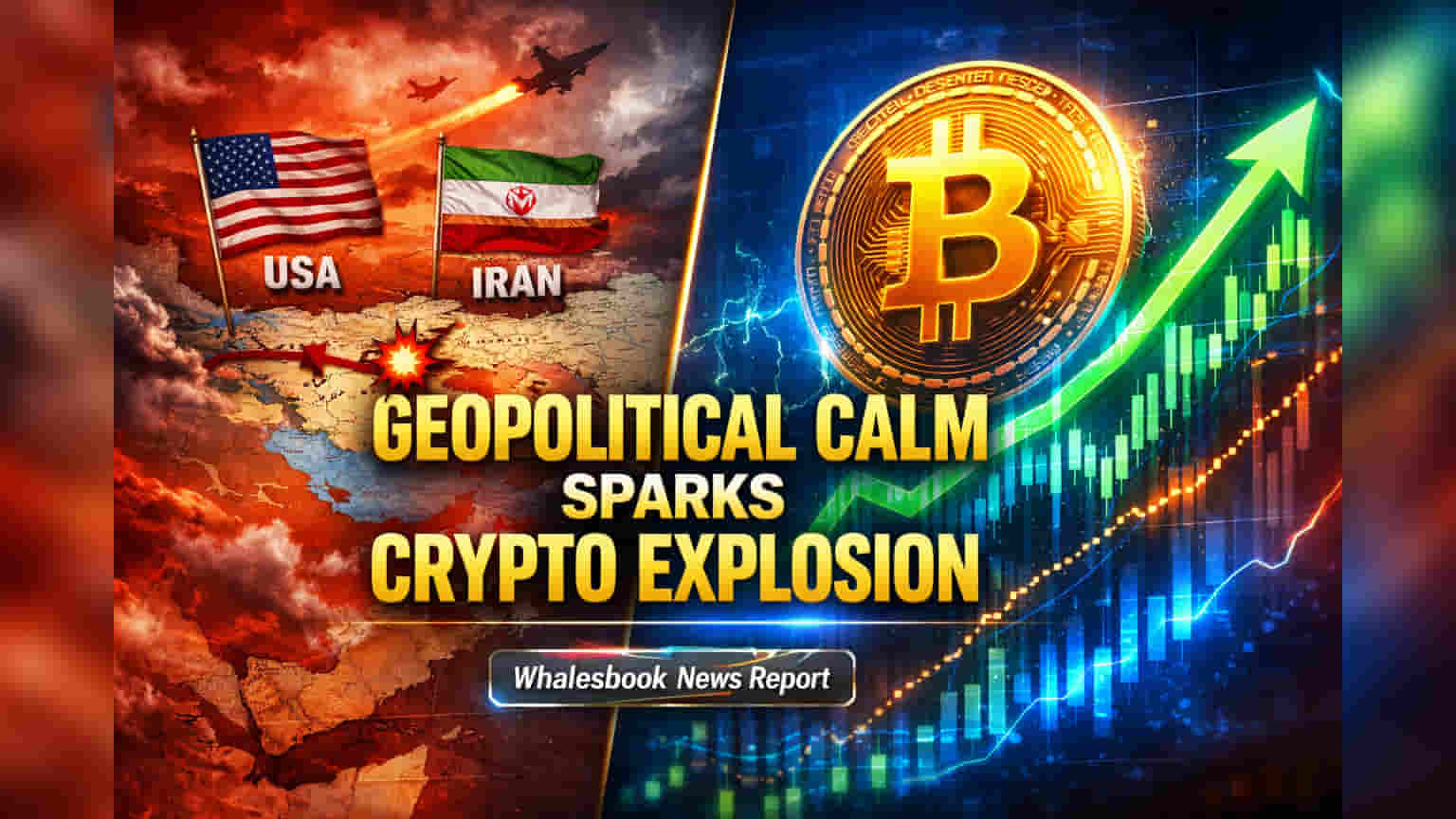


Geopolitical Relief Sparks Crypto Boom
Global financial markets are seeing relief after confirmation of a ceasefire between the United States and Iran eased geopolitical tensions. This de-escalation has boosted investor confidence, leading to a sharp rise in riskier assets, with cryptocurrencies at the forefront. Bitcoin, the leading digital currency, climbed past the $70,000 mark, trading around $71,652.97 and holding a market value over $1.43 trillion.
The rally wasn't limited to Bitcoin. Ethereum gained over 6%, trading near $2,247.80 with a market value around $271 billion. Other major altcoins also performed strongly, with Solana, Cardano, Avalanche (up more than 10%), and Zcash (up 23%) all seeing significant increases. Even popular meme coins like Dogecoin and Shiba Inu joined the broad advance. This surge followed a sharp drop in oil prices, a direct result of easing tensions and expectations of smoother trade through key routes like the Strait of Hormuz.
Falling Oil Prices Boost Crypto's Rise
This rally is supported by important economic changes, going beyond simple speculation. Analysts point out that the drop in oil prices due to the ceasefire is a major economic factor for digital assets. Lower oil prices ease global inflation worries, lessening the need for central banks to keep interest rates high. These easier money conditions benefit assets like Bitcoin and Ethereum, which tend to do well when capital is readily available.
Ryan Lee, Chief Analyst at Bitget Research, described the market shift as the early phase of a move from caution to optimism, rather than just a short-seller squeeze. The market responded with a significant rise in trading volumes, with Bitcoin's 24-hour volume reaching about $22.76 billion. This widespread recovery also caused many traders who had bet on prices falling to be forced to buy, further pushing prices up.
Markets React: Stocks, Bonds, and Crypto's Role
The ceasefire's effects spread to traditional markets. U.S. stock futures suggested a strong start, and the S&P 500 closed up by 0.1%, with the Nasdaq Composite also rising 0.1%. Government bond rates fell, with the 10-year yield dropping to 4.24%, indicating less demand for safe investments. Historically, crypto often moves with stocks, viewed more as a risk asset than a safe haven. Yet, during recent conflicts, crypto has shown resilience, even doing better than gold and silver, supporting its use as a way to diversify investments.
In terms of regulation, the crypto market is seeing clearer rules. In March 2026, the SEC and CFTC officially labeled Bitcoin and Ethereum as digital commodities, and the EU's MiCA regulation is now active. The CLARITY Act, with its Senate review scheduled for mid-April 2026, could encourage more large investors to enter the market. However, significant regulatory risks remain worldwide, including the possibility of market manipulation and insufficient investor protection in some areas.
Concerns Remain Despite Rally
Despite the optimism from eased geopolitical tensions, underlying risks and weaknesses need attention. The Federal Reserve's monetary policy is a key limit. Lasting inflation, worsened by the recent oil price shock, could push central banks to keep interest rates high longer than expected. Forecasts for 2026 show differing views, with some economists predicting no rate cuts and even a possible hike in 2027, contrary to market hopes for cuts. Such tight financial conditions reduce interest in risk assets like cryptocurrencies, which rely heavily on easy money and are sensitive to economic factors.
Additionally, the ceasefire is reportedly a temporary two-week deal, keeping markets alert for any renewed escalation that could restart energy price swings and inflation worries. Large holders selling their crypto as prices rise may signal upcoming price drops. Mining becoming less profitable due to high energy costs could also affect network security and investor trust. While regulations are improving, challenges persist, with gaps in rules and chances to exploit them possibly harming market fairness.
What's Next for Crypto?
Whether this rally lasts depends on several key factors. Steady oil prices and cooling inflation would strengthen the case for crypto, possibly leading to an easier money policy later this year. New laws like the CLARITY Act could bring in significant institutional investment. However, the Federal Reserve's response to inflation numbers and the continuing geopolitical situation in the Middle East will be crucial. Investors should watch these economic signs closely, as crypto's performance remains tied to the wider economic and geopolitical situation.