 Whalesbook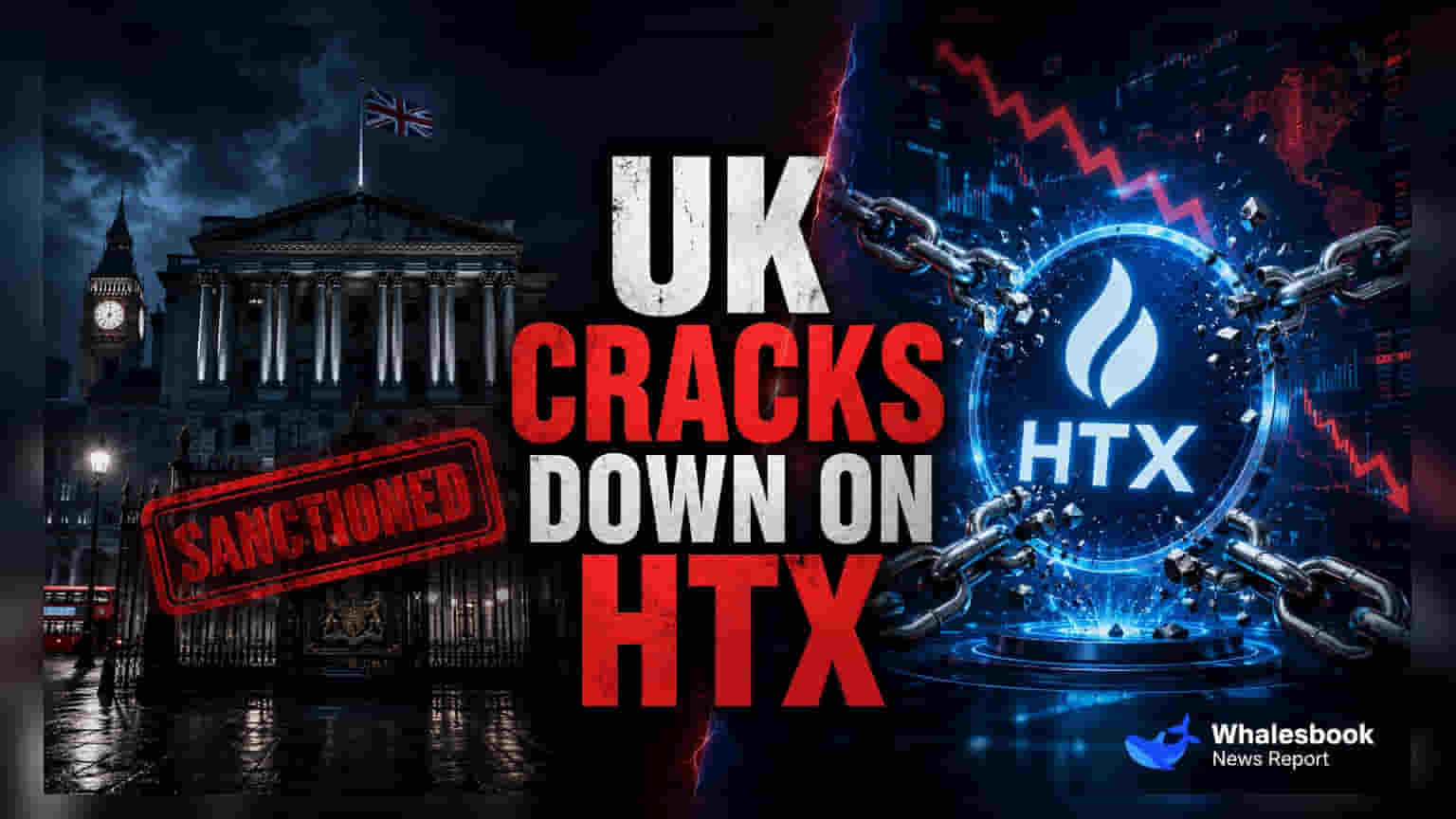


Regulatory Action: Regulation 17A Invoked
The UK government has designated Huobi Global S.A., the entity behind the HTX exchange, marking a significant step in geopolitical enforcement. By using Regulation 17A of the Russia (Sanctions) (EU Exit) Regulations 2019, British authorities are treating the exchange as part of shadow financial systems, moving beyond typical anti-money laundering checks. This is the first time these powers have been used against a digital asset exchange, effectively barring UK financial institutions and virtual asset service providers (VASPs) from working with HTX.
Market Infrastructure Adjusts to Sanctions
This designation requires a thorough review of how institutions and individuals are exposed to HTX. Major exchanges are quickly improving their compliance measures to avoid breaking UK sanctions. These rules affect any transaction involving HTX, regardless of the currency or account holder status. Because even indirect involvement is covered, compliant platforms must reject any payment chain that includes HTX, whether as a middleman or an endpoint. This is making cross-border crypto movement more difficult as jurisdictions prioritize blocking Russian-linked trade.
Compliance Risks for HTX
HTX faces significant risks beyond immediate asset freezes in the UK. The exchange is also dealing with legal action from the UK Financial Conduct Authority in 2025 for unlawful financial promotions. For institutional investors, this sanction is a strong signal to reduce their exposure to HTX. The accusation that the platform handled over $1.5 billion in transactions for networks like A7 and Garantex suggests other Western jurisdictions may increase their scrutiny, potentially reducing HTX's liquidity and global reach. Unlike competitors with clear, licensed banking partnerships, HTX faces tougher oversight due to its complex structure and alleged role in facilitating Russian ruble-pegged stablecoin transactions.
Industry Adapts to New Rules
The HTX designation signals how governments plan to regulate digital assets interacting with state financial networks. Crypto investors can expect more price swings in cross-border payments as platforms enhance blockchain analytics for sanctions screening. The industry must now focus on proving complete transparency in compliance. Exchanges that do not improve their on-chain monitoring against sanctioned infrastructure risk being cut off from Western financial systems, potentially creating a two-tiered crypto market based on regulatory adherence.