 Whalesbook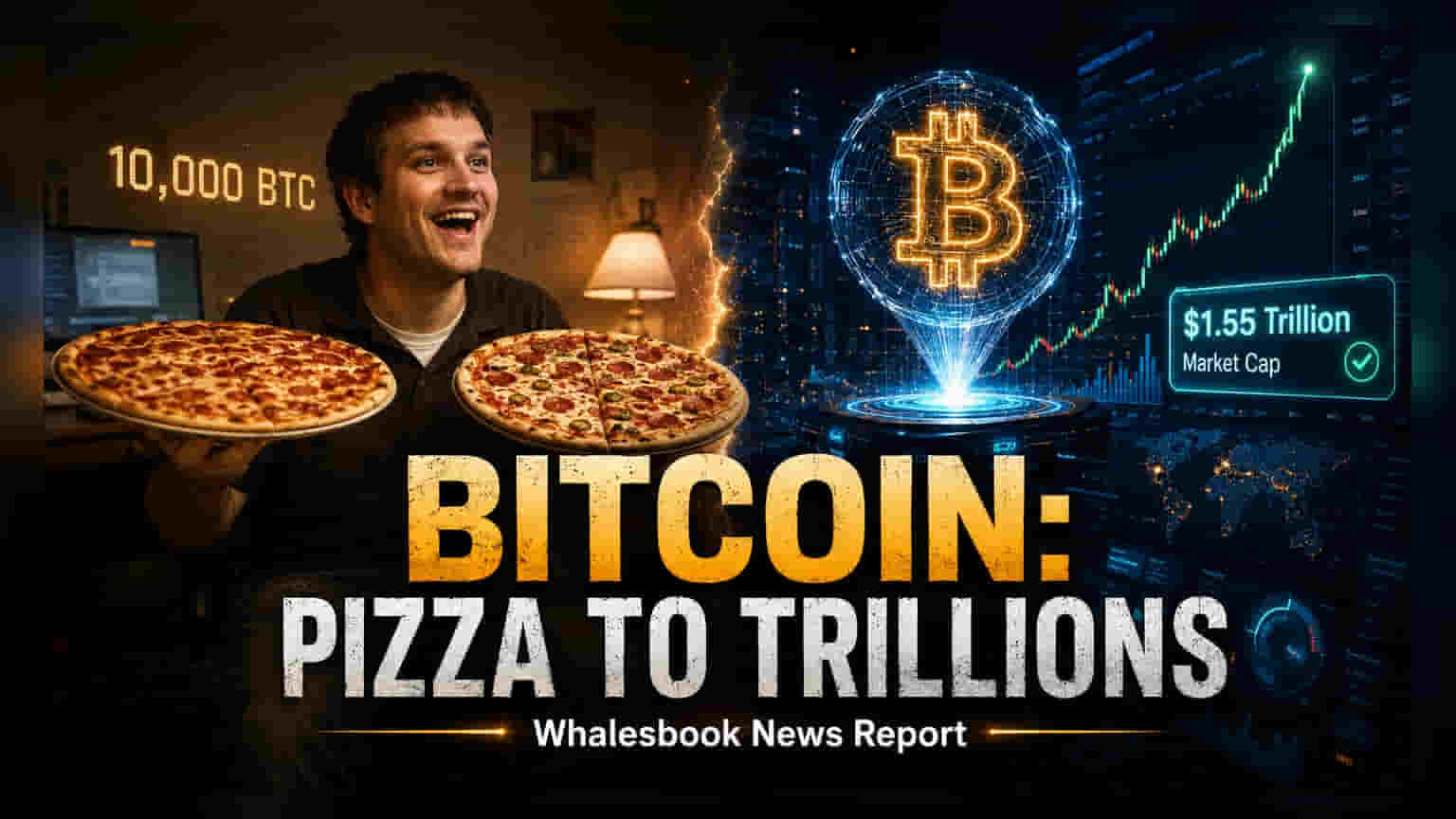


The Genesis of Digital Commerce
May 22, known as Bitcoin Pizza Day, marks a key moment: the first documented real-world transaction using Bitcoin. In 2010, programmer Laszlo Hanyecz exchanged 10,000 BTC for two pizzas. This event turned a theoretical digital asset into a functional medium of exchange, showing Bitcoin's potential to bypass traditional finance and acquire tangible goods.
From Niche Experiment to Global Asset
The significance of the pizza purchase has grown, evolving from a quirky story to a core part of the digital asset narrative. This single exchange demonstrated practical economic application, paving the way for today's vast digital asset economy. Bitcoin has moved from an experimental internet currency to a recognized global asset class, often used as a tool against broader economic shifts. Skepticism has faded, replaced by widespread institutional interest from major corporations, global banks, and governments. This positions Bitcoin at the forefront of financial innovation. The ecosystem now includes institutional Bitcoin ETFs, stablecoin payment systems, tokenized real-world assets, and extensive blockchain infrastructure, solidifying Bitcoin's evolution into a major global macro asset.
Valuation Dynamics and Market Sentiment
Bitcoin's market valuation reflects its dramatic growth. The cryptocurrency hit an all-time high of approximately $126,198 in October 2025, with its market capitalization reaching nearly $2.5 trillion. Currently, Bitcoin trades around $77,440, about 39% below its peak, yet its market capitalization remains strong at approximately $1.55 trillion.
The Case Against: Overvaluation and Volatility Concerns
Despite institutional acceptance, Bitcoin's historical volatility and speculative nature pose risks. While the 2010 transaction proved utility, the subsequent price surge to trillions has been driven largely by speculative investment, not widespread use for everyday goods. Unlike traditional assets with underlying productive capacity or tangible backing, Bitcoin's value relies heavily on market sentiment and scarcity. Competitors in the crypto space, like Ethereum, are developing advanced smart contract functionalities, potentially reducing Bitcoin's dominance. Global regulatory uncertainty also persists, with varied approaches to digital asset taxation and compliance presenting challenges.
Future Outlook
Bitcoin's path suggests continued integration into the global financial system, though volatility is expected. The development of institutional products like ETFs offers greater access, potentially driving more adoption. However, the asset class remains sensitive to macroeconomic changes and regulatory news. Analysts are watching for sustained institutional inflows and the growth of real-world applications beyond speculation to confirm its long-term value.