 Whalesbook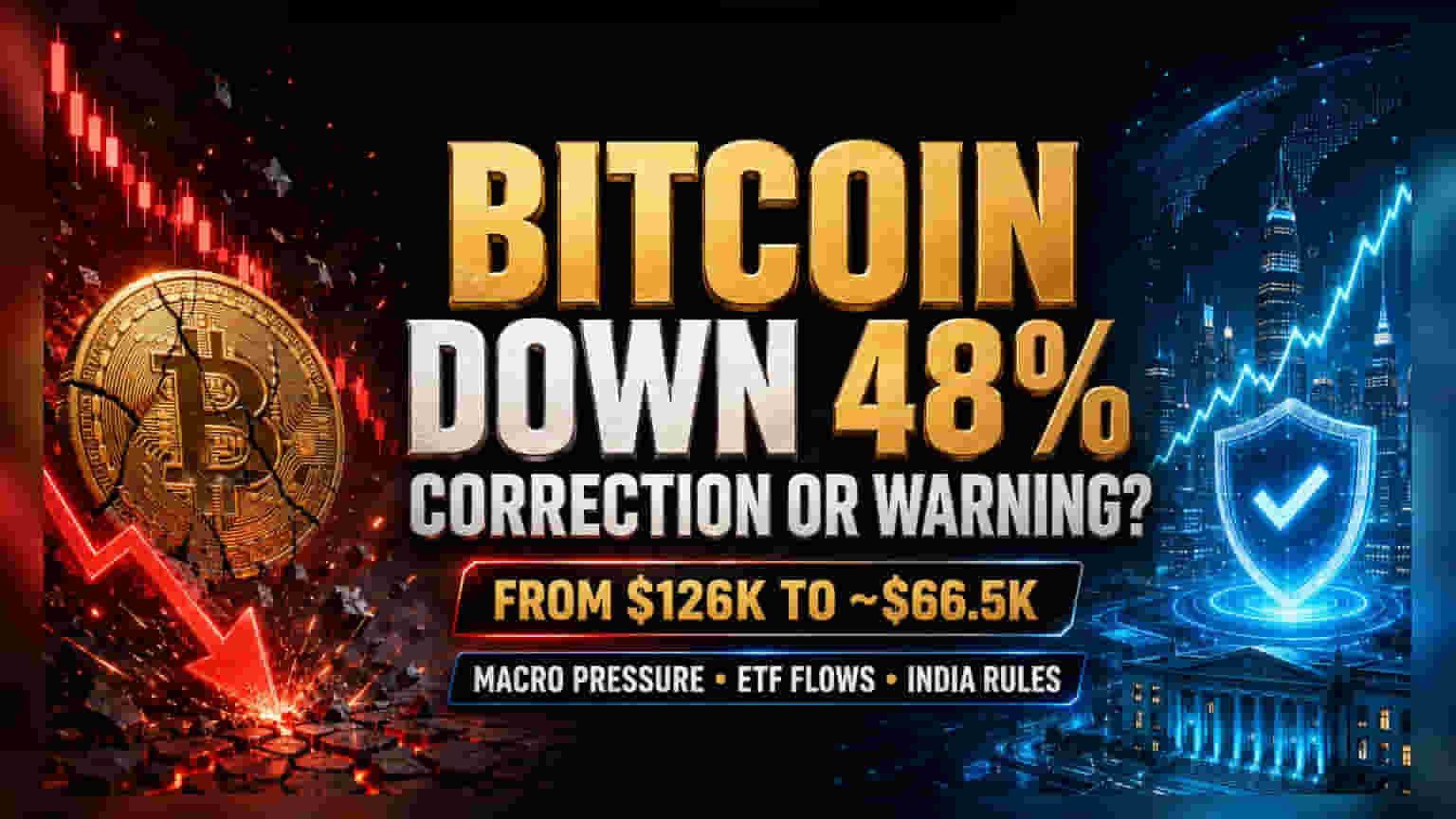


Bitcoin is down nearly 48% since its October 2025 peak. Bitget CEO Gracy Chen views the fall as a market correction driven by global liquidity shifts and high interest rates, rather than a fundamental flaw in the asset. While retail trading may slow, exchanges are adapting through diversified services. For Indian investors, the key monitorable remains how future regulatory clarity could shape institutional participation.
What Happened
Bitcoin has experienced a significant decline, falling approximately 48% from the high points reached in October 2025. This sharp movement has drawn attention to market volatility and the factors influencing digital asset prices. Bitget CEO Gracy Chen has addressed the downturn, describing it as a market correction rather than a sign of a long-term structural issue. According to the exchange leadership, the decline is largely influenced by global economic shifts, including changes in how capital is flowing into technology investments and artificial intelligence, as well as the impact of persistent economic data from the United States on global markets.
Understanding the Macro Link
Digital assets like Bitcoin are often sensitive to the broader economic environment, specifically liquidity—or how much money is available to flow into investments. When global interest rates remain high or economic data suggests that rates will not be cut soon, investors often become more cautious. Capital that might otherwise flow into high-risk assets may move toward safer options or different growth sectors, such as major technology initial public offerings. This shift effectively reduces the buying pressure in the crypto market, contributing to the correction observed over the recent months.
The Changing Exchange Business
While price drops can lead to a slowdown in spot trading—where investors buy and sell assets directly—the business model for crypto exchanges has evolved to handle such periods. Many exchanges have moved beyond relying solely on trading fees. They have introduced diversified revenue streams including derivatives, hedging tools, payment services, and earn programs. These products are designed to keep the platform active even when market sentiment turns cautious. This diversification helps businesses remain operational despite fluctuations in Bitcoin prices.
The India Context
India remains a significant market for digital assets due to high adoption rates among users. However, the regulatory environment continues to be a central point of interest for the industry. While individual participation is high, industry leaders suggest that clear and stable regulations are necessary to unlock the next phase of growth. Clarity on taxes and legal frameworks is often seen as a prerequisite for more traditional financial firms and institutional investors to enter the space, potentially moving the sector beyond simple trading into areas like tokenized financial assets and blockchain infrastructure.
How Investors May Read This
Investors are observing a shift in market behavior compared to previous cycles. There is a greater emphasis on platform security, the transparency of reserves, and more disciplined long-term strategies rather than speculative, short-term betting. The presence of institutional money—large organizations that invest for the long term—has also added a layer of complexity to price movements. Unlike previous periods where panic often dictated the market, current participants are generally more reactive to macro data, such as inflation reports and central bank policies.
What Investors Should Track
Going forward, the primary areas for investors to monitor include global macroeconomic updates, specifically interest rate decisions in major economies, which influence liquidity. Additionally, any updates on regulatory frameworks in India will be important for assessing the future of the local crypto ecosystem. The focus will likely remain on whether institutional participation holds steady and how effectively the crypto industry can integrate with mainstream financial infrastructure through products like stablecoins and asset tokenization.