

Value fashion retailers V2 Retail, V-Mart, and Baazar Style reported double-digit revenue growth in the first quarter of FY27. Performance was driven by a mix of aggressive store network expansion and improved sales at existing locations. Investors are now focusing on whether these companies can maintain store productivity as they scale rapidly into smaller cities.
The Indian value fashion sector showed strong momentum in the first quarter of fiscal year 2027, as listed retailers reported double-digit revenue growth and positive same-store sales figures. Unlike previous periods where growth relied heavily on opening new stores, the current performance shows that customers are also spending more at existing retail outlets.
V2 Retail, Baazar Style, and V-Mart Performance
V2 Retail led the group in growth, reporting a 58 percent year-on-year revenue increase to Rs 997 crore. This surge was supported by the addition of 57 new stores, bringing its total network to 381 locations. Its same-store sales growth, which measures revenue from stores open for more than a year, stood at 7.5 percent. The company plans to add 130 to 150 more stores during FY27.
Baazar Style Retail posted a 29 percent revenue jump to Rs 486 crore. The company added 18 stores during the quarter to reach a total of 276. Its monthly store productivity held steady at Rs 679 per square foot, suggesting that rapid expansion has not negatively impacted the efficiency of its older stores.
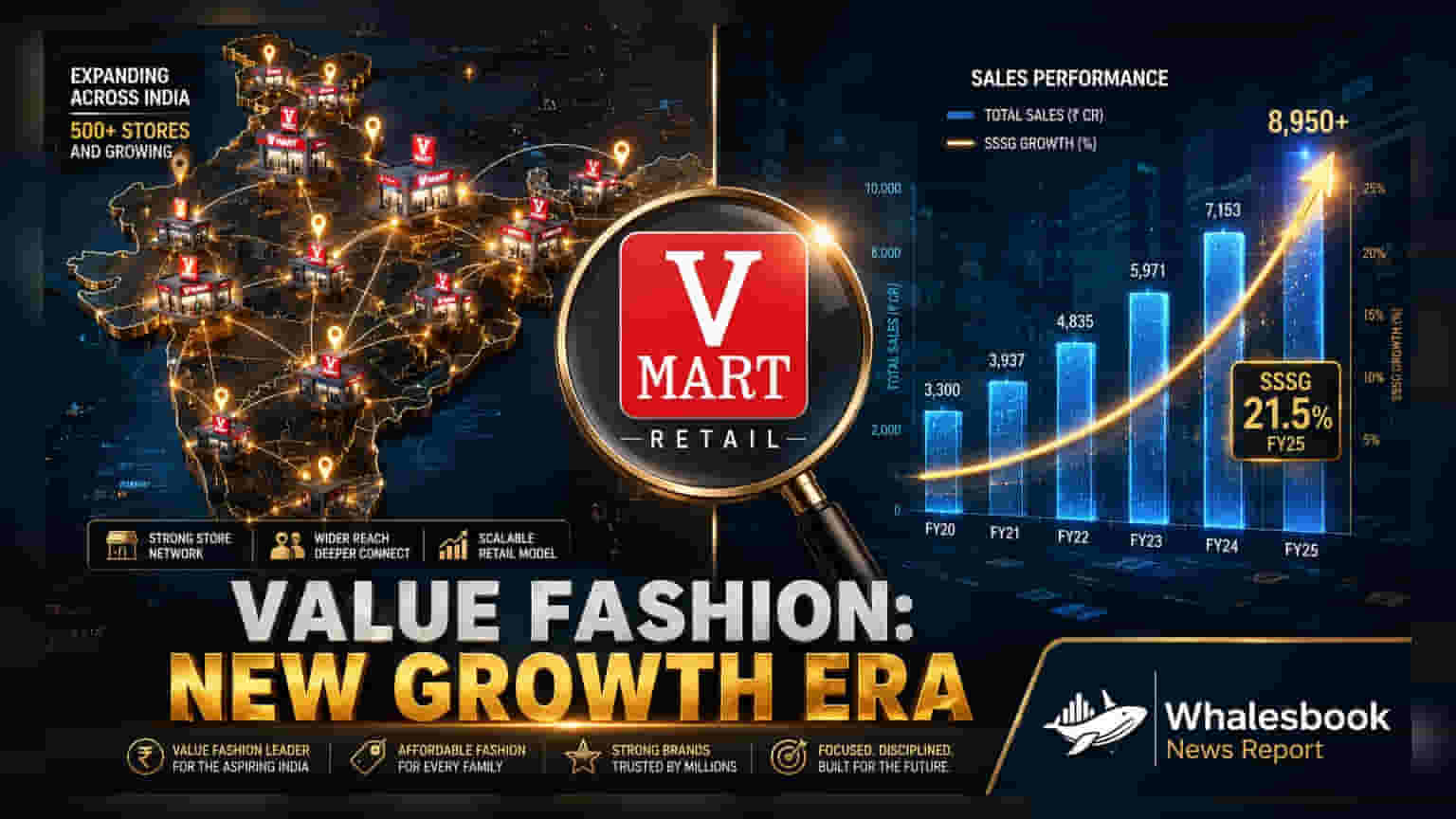
V-Mart Retail achieved a 23 percent revenue increase, reaching Rs 1,089 crore. It reported the highest same-store sales growth among these peers at 9 percent. With a larger, more mature network of 591 stores, V-Mart’s performance highlights the strength of its existing footprint, particularly within its 'Unlimited' store format.
Strategic Shift to Profitability
Retailers are increasingly relying on private labels to improve their profit margins. By managing their own brands, these companies gain better control over inventory and pricing power, which helps support profitability as they spend more money on expanding into Tier-II and Tier-III cities. While aggressive growth is common in the sector, these companies are now balancing the pace of new openings with the need to maintain sales productivity in older stores.
Sector Context and Investor Focus
Investors should note that while revenue is rising, the primary challenge for these retailers is maintaining execution quality. Expanding into smaller cities requires complex supply chain management. As these companies continue to add a high number of new locations, maintaining positive same-store sales growth will be a critical monitorable. The ability to manage costs while scaling up will determine if these companies can continue to grow their profits in line with their revenue. Future updates on store productivity metrics, debt levels related to expansion, and any shifts in discretionary spending patterns will be important to track.