 Whalesbook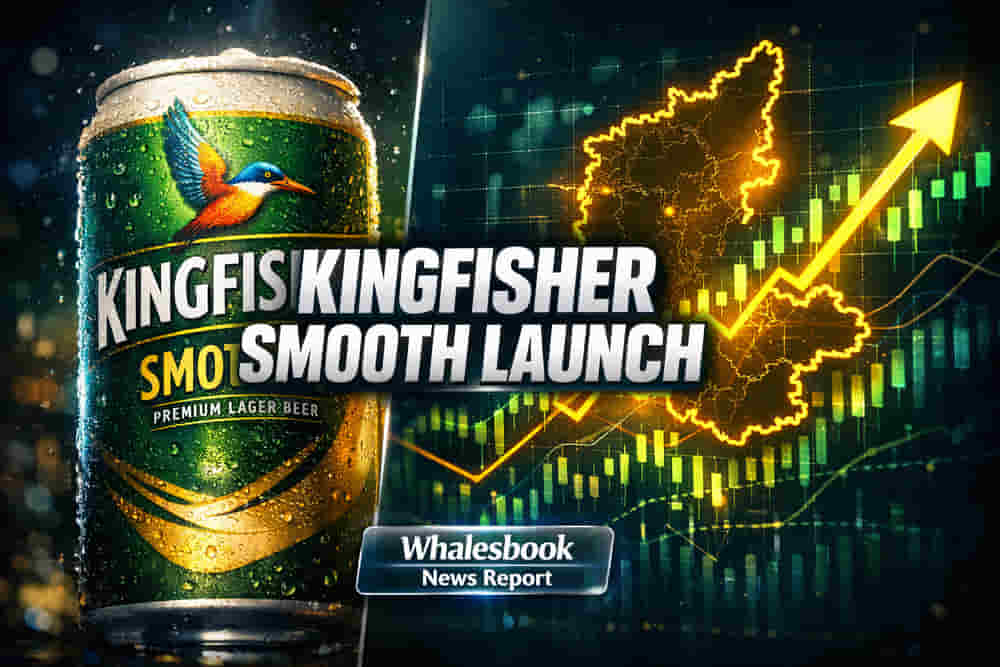
This strategic rollout into Karnataka, one of India's most significant beer markets, is a calculated effort to defend and expand UBL's dominant market share. The company's decision follows what it described as a positive consumer response in a pilot launch in Rajasthan. However, the market's initial reaction to the announcement was tepid, reflecting broader concerns that have weighed on the stock, including an 11.87% decline in the last month alone.
A Defensive Play in a Crowded Market
The introduction of Kingfisher Smooth is less a routine product launch and more a strategic necessity. UBL, which holds over 50% of the Indian beer market, is facing intensifying competition from global giants like Anheuser-Busch InBev and Carlsberg, which collectively command around 30-32% of the market. These competitors have been aggressive, with AB InBev recently committing over $120 million for a new brewery in Uttar Pradesh. The new product, brewed with imported hops and no added sugar, is engineered to appeal to a younger demographic's palate, a group increasingly driving trends towards premium and craft-style beverages. This demographic shift represents both an opportunity and a threat to Kingfisher's legacy brands. The launch aims to capture a segment seeking the potency of strong beer without the harshness, directly competing with established rivals in the category.
Valuation and Sector Headwinds
Despite its market leadership, UBL's stock performance reflects significant headwinds. The stock is trading at a high price-to-earnings (P/E) ratio of approximately 103, raising valuation concerns among analysts. This is compounded by recent operational challenges, including a sales volume decline in the September quarter attributed to an unusual monsoon that disrupted production. The broader Indian beer market is projected to grow at a compound annual growth rate (CAGR) of around 6.7%, reaching over INR 800 billion by 2033. However, India's per capita beer consumption remains exceptionally low compared to global averages, signaling long-term growth potential but also highlighting the sector's current under-penetration. UBL's move to innovate with products like Kingfisher Smooth is critical to capitalizing on this potential growth and justifying its premium valuation.
Analyst Outlook and Forward Guidance
Analyst sentiment on UBL remains mixed, reflecting the tension between its dominant market position and its rich valuation. The consensus recommendation leans towards 'Hold', with average 1-year price targets suggesting modest upside from the current price of ₹1,431.20. Forecasts project strong future earnings growth, with some estimates as high as 33.3% per year, which would outpace the broader Indian market. The success of Kingfisher Smooth in key markets like Karnataka will be a critical test of UBL's ability to innovate within its core brands, fend off competition, and persuade investors that its growth strategy can overcome recent sluggishness and justify its market valuation.