

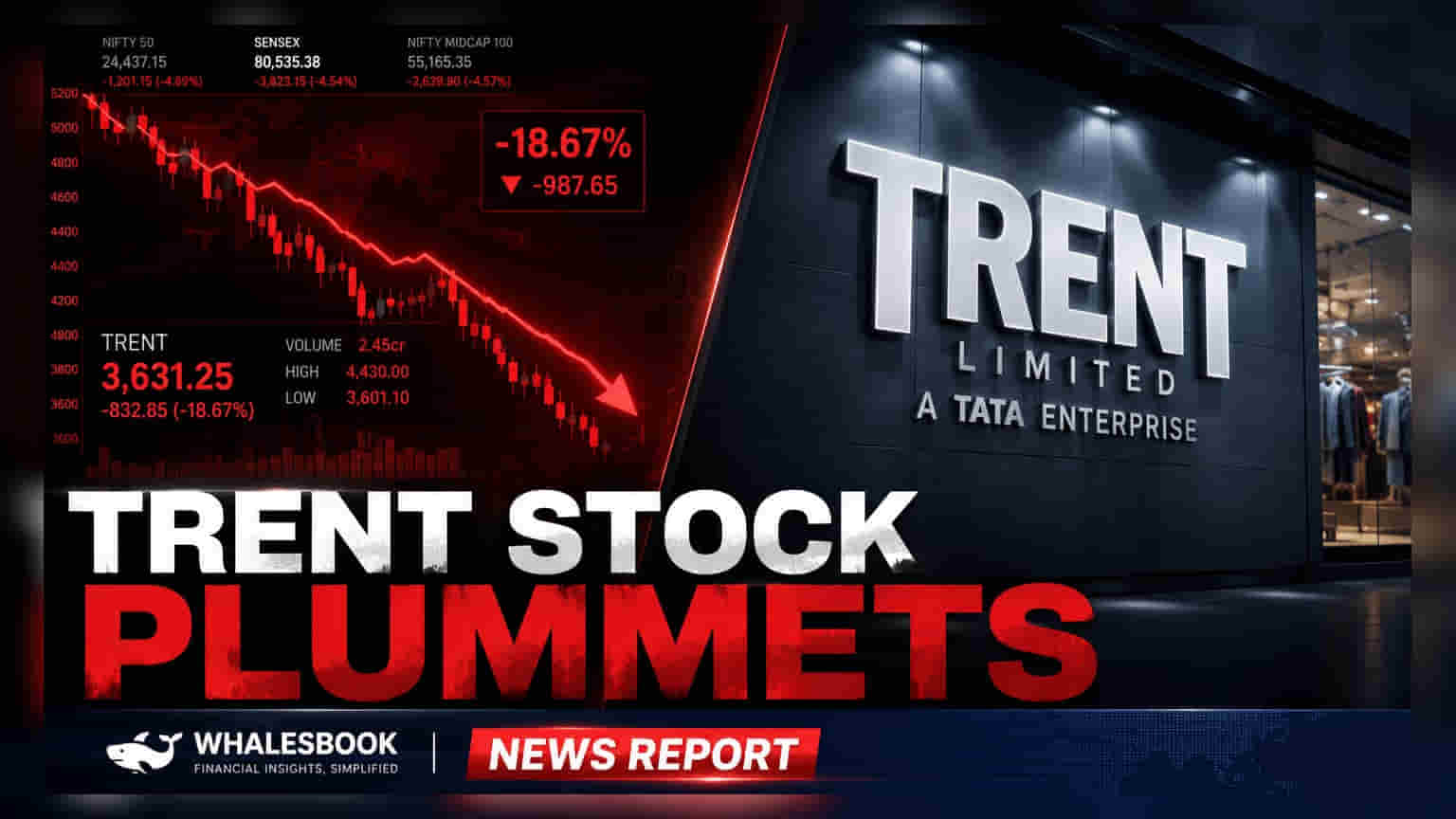
Trent shares fell 10% on July 7, 2026, as investors reacted to the company's first-quarter update. The decline reflects market concerns regarding the retail firm's recent performance or forward guidance. Investors are now focused on evaluating the underlying financial results to understand the impact on the company's valuation.
Shares of Trent, the retail arm of the Tata Group, faced significant selling pressure on Tuesday, July 7, 2026, recording a 10% decline during the trading session. The sharp correction follows the company's release of its first-quarter update, which appears to have missed market expectations.
Impact on Market Sentiment
The 10% drop in share price suggests that investors were disappointed with either the revenue growth, profit margins, or the forward-looking statements provided by the management in the latest update. When a high-growth stock like Trent experiences such a sudden sell-off, it often indicates that the market is reassessing the valuation premium that the company has historically enjoyed compared to its retail peers.
Trent operates brands like Westside and Zudio, which have been key drivers of its growth. For investors, the core concern lies in whether the company is maintaining its rapid store expansion pace while keeping profit margins stable. In the retail sector, rising input costs, competition from both organized and unorganized players, and shifting consumer spending patterns often create pressure on margins. If the latest update hinted at any slowdown in same-store sales growth or increased capital spending affecting cash flows, the market tends to react swiftly.
Context and Investor Monitorables
Historically, Trent has maintained a higher valuation compared to other retail companies due to its aggressive store rollout strategy and high inventory turnover. However, the current stock reaction highlights the risks inherent in high-valuation stocks where there is little room for disappointing news. Investors typically track store-level profitability, the success of new store launches, and overall consumer demand trends to gauge the long-term health of the business.
Looking ahead, the next important step for shareholders is to examine the detailed quarterly financial report for clarity on the specific factors that led to the negative sentiment. Key areas to watch include any changes in operating profit margins, the impact of new store openings on overall cash flow, and management's commentary on demand trends for the coming quarters. Analysts and market observers will likely focus on whether this dip is a temporary reaction to short-term misses or if it reflects deeper challenges in maintaining the company's competitive advantage in the current retail environment.