

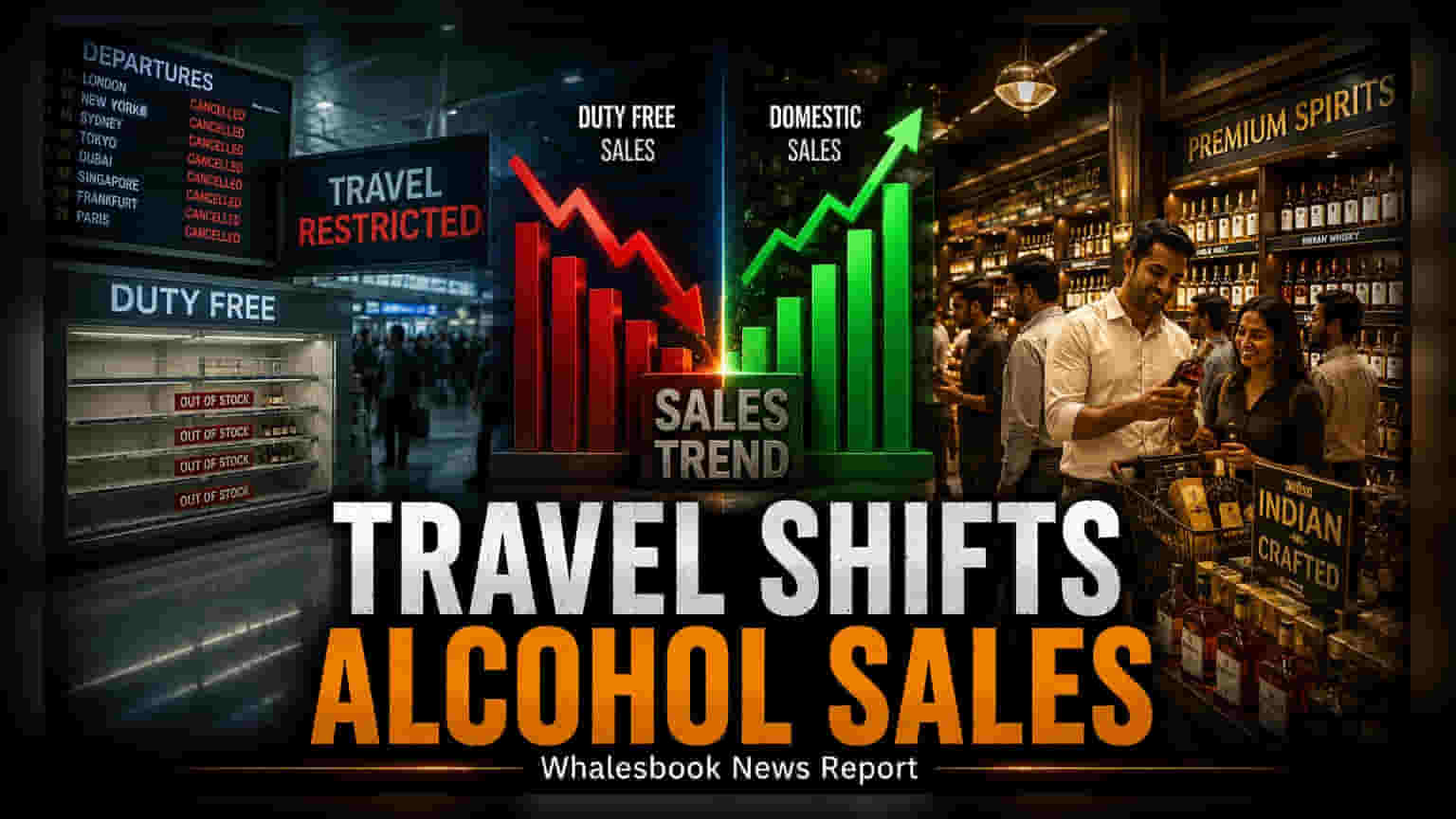
Reduced international travel is driving a surge in domestic premium liquor sales as consumers shift their spending from duty-free shops to local retail outlets. This trend mirrors pandemic-era patterns, with imported spirits showing steady growth in the Indian market.
Detailed Coverage
A noticeable shift in consumer behavior is currently impacting India's alcohol industry, as restrictions on international travel lead to a rise in domestic liquor consumption. Because travelers are spending less time in airports and passing through fewer international duty-free shops, a significant portion of their alcohol purchasing is moving to local retailers, high-street stores, and malls within India.
Impact on Retail and Premium Spirits
Industry observers have noted that this pattern is reminiscent of the shifts seen during the COVID-19 pandemic, when global movement was severely limited. With the current reduction in international travel, consumers are increasingly purchasing premium and luxury spirits at home rather than abroad. Companies involved in both retail and distribution, such as Living Liquidz and Cartel Bros, are witnessing this redirection of spending firsthand. For the broader market, this trend supports the ongoing move toward higher-value products, where Indian consumers are showing a stronger preference for imported and premium-segment spirits.
Growth Trends in Imported Spirits
Data from IWSR Drinks Analysis highlights the long-term strength of this sector. Imported spirits volumes in India recorded a compound annual growth rate of 16% between 2019 and 2024. Scotch whisky remains the dominant category driving this interest. Looking ahead, market forecasts suggest an 8% growth rate for imported spirits volumes through 2029, even as travel patterns fluctuate. While airport duty-free remains a massive revenue source—liquor accounts for 58% of travel retail revenue at Mumbai International Airport according to JM Financial data—the redirection of these volumes offers a boost to domestic store operators.
Risks and Monitorables for Investors
While the shift toward domestic retail appears beneficial, investors should consider the broader regulatory and economic landscape. The liquor industry in India is highly fragmented and subject to varying state-level taxes, excise policies, and licensing regulations, which can significantly affect profit margins. Furthermore, the reliance on premium and imported brands means that any potential increases in import duties or changes in foreign exchange rates could influence pricing and consumer demand. As passenger traffic in India is expected to increase by over 50% in the next five years, the competition between domestic retail chains and travel-retail operators for the consumer's wallet will be a key dynamic to follow. Future updates to track include state excise policy changes, the availability of new retail licenses, and whether the shift toward premiumization maintains its momentum as international travel eventually normalizes.