 Whalesbook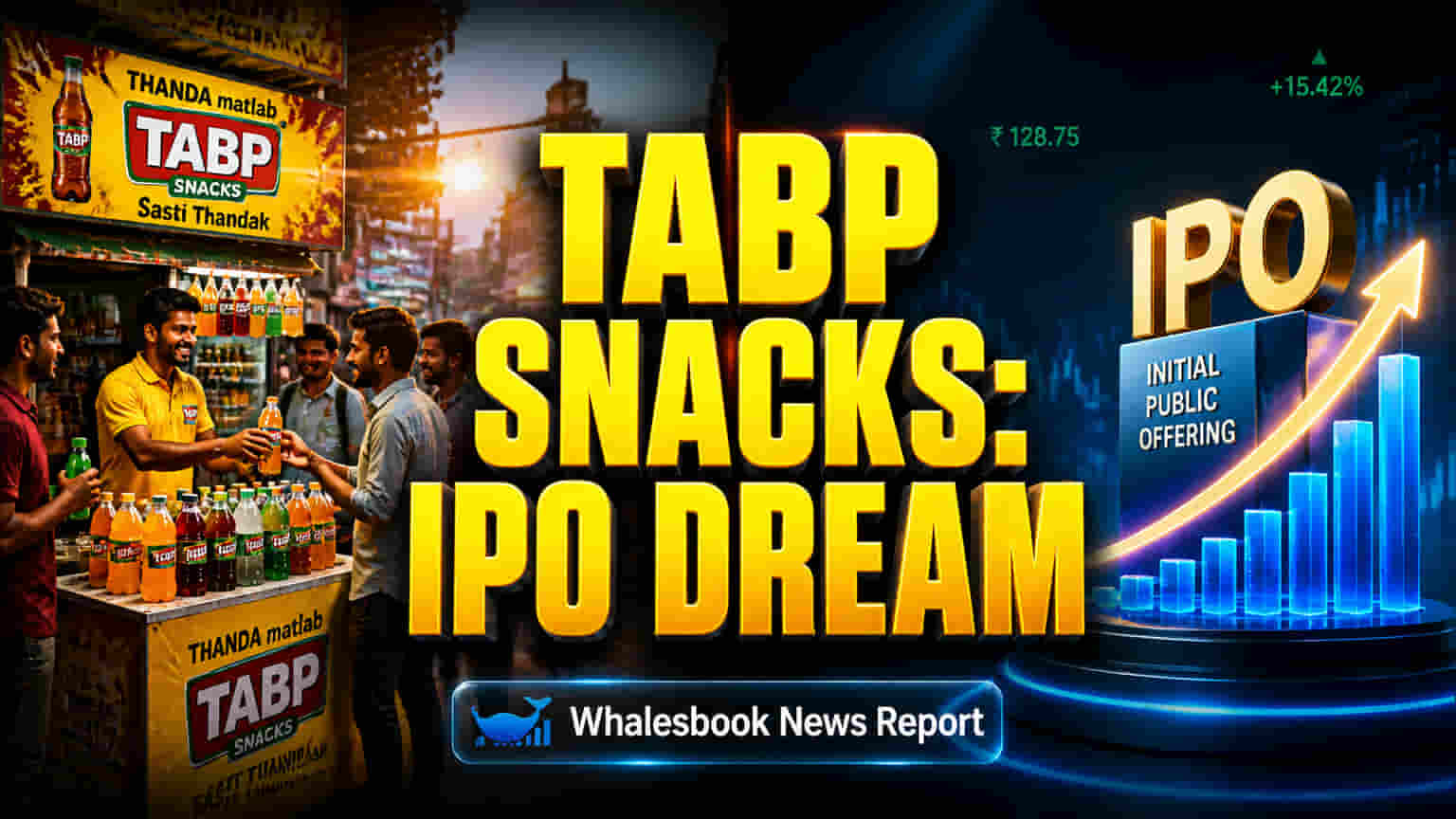


TABP Snacks and Beverages is pushing towards ambitious revenue goals by focusing on affordable, hygienic drinks for lower-income consumers. The company aims to grow from ₹208 crore in FY26 to ₹800 crore within three years, a target that relies on navigating tough market conditions and scaling up operations.
Reaching the "Bottom of the Pyramid"
Co-founder and CEO Prabhu Gandhikumar explained the company targets consumers earning about ₹500 daily who want safe, refreshing drinks. TABP's Plunge brand offers soda and local flavors, mostly priced at ₹10, competing directly with local street vendors. While Tamil Nadu is its largest market (42% of sales), the company plans to expand into Gujarat, Madhya Pradesh, Chhattisgarh, Jharkhand, and West Bengal. This involves balancing growth in its core market (70%) with expansion into new states (30%) to capture wide market share.
Scaling Production and Distribution
TABP operates 16 production sites, but only one is fully owned. It relies on third-party manufacturers for most of its output, which is about 3,000 bottles per minute. Plans include investing ₹70-₹80 crore over three years to build four to six new plants, boosting its owned production to 25%. This aims for better control and margins from owned factories while keeping some flexibility. The company is sticking to a 100% offline sales model, avoiding online platforms, because logistics for products under ₹50 are seen as too expensive. This strategy is key for reaching rural and semi-urban consumers but presents major distribution hurdles across wide areas.
Market Landscape and Competition
TABP's strategy taps into India's large rural consumer base, where incomes are rising and demand for branded, quality products is growing. Companies like Parle Agro have shown success building large distribution networks for affordable drinks, reaching many consumers with good value. The overall Indian beverage market, worth billions, is highly competitive, with major players like Coca-Cola India and PepsiCo India, plus many regional brands and the informal sector. Costs for raw materials like sugar and PET packaging fluctuate, affecting margins for companies selling low-cost drinks.
Key Risks Ahead
However, TABP's aggressive growth plan faces significant risks. A key concern is its manufacturing model, where 15 of 16 units are third-party. This could lead to inconsistent quality and supply chain weaknesses. While TABP plans to increase its own factories, this will require significant investment and time. The economics of a ₹10 drink are challenging with rising costs for materials and logistics. Competitors with more resources and existing distribution could easily challenge any gains. Expanding into new states means heavy investment in distribution, a complex task for a company with few owned assets and an offline focus. India's FMCG sector is competitive; keeping customers loyal to low-priced items requires constant cost control and new ideas, which might be hard given TABP's current scale. There's also a risk of regulatory checks on food safety, especially in the unorganized beverage sector.
The Road Forward
TABP's goal of ₹800 crore revenue in three years is ambitious and depends on successfully expanding its market reach and distribution. Its focus on a large, underserved consumer group provides a clear path for growth. Success will depend on its ability to shift from third-party makers to more owned facilities, manage costs in a changing economy, and build strong distribution in new states. These factors will also determine its readiness for a possible IPO. Analyst reports note that while India's rural FMCG market is growing, operational efficiency and strong supply chains are key to lasting profits.