 Whalesbook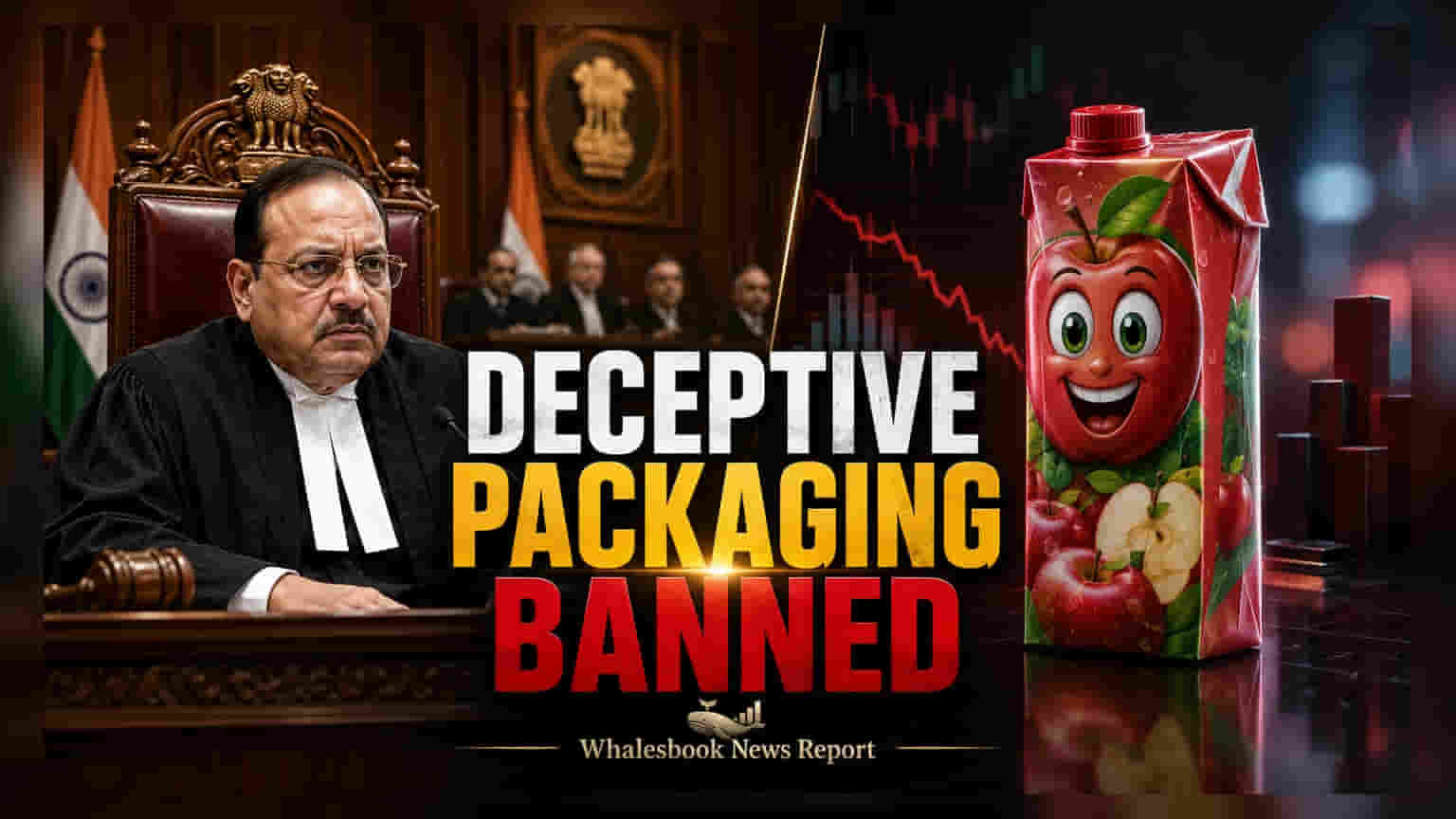


Judicial Scrutiny of Deceptive Packaging
The Supreme Court has begun examining the issue of alcohol sold in packaging that misleads consumers, by issuing a notice to the central government and state excise departments. This action comes in response to a petition calling for a ban on alcohol in less conspicuous formats like tetra packs and sachets. The court highlighted that such packaging is highly deceptive.
Mimicking Juice, Raising Risks
Advocate Vipin Nair, representing the petitioner Community Against Drunken Driving, argued that unlike tobacco products, alcohol containers often lack prominent health warnings. He noted that some packaging closely imitates fruit juices, using fruit imagery, yet contains spirits like vodka. Nair stated this practice deceems consumers, bypasses regulations, and increases the risks of underage drinking, public intoxication, and drunk driving. Studies show underage drinking is a significant problem in India.
Past Criticism and Petition Goals
The judiciary has previously addressed this matter. In November 2025, the Supreme Court criticized the widespread use of liquor in tetra packs for resembling fruit juice boxes. The current petition requests a national policy to ban these packaging types and to define "bottling" to allow only glass or clearly distinct containers. The petition also raises concerns about smuggling and environmental issues.
Environmental and Regulatory Questions
Existing regulations, including the Food Safety and Standards (Alcoholic Beverages) Regulations, 2018, require specific labeling and warnings. However, their effectiveness against deceptive packaging is questioned. Tetra Pak highlights the recyclability of its packaging compared to steel or glass, but concerns remain about the wider environmental impact of increased consumption facilitated by accessible packaging and the need for better recycling infrastructure.
Broader Alcohol Marketing Rules
India's alcohol advertising rules are already strict, with direct advertising banned since 1995, leading to surrogate advertising. The Supreme Court's focus on packaging adds another dimension to alcohol regulation, aiming to reduce practices seen as harmful to public health and safety.