 Whalesbook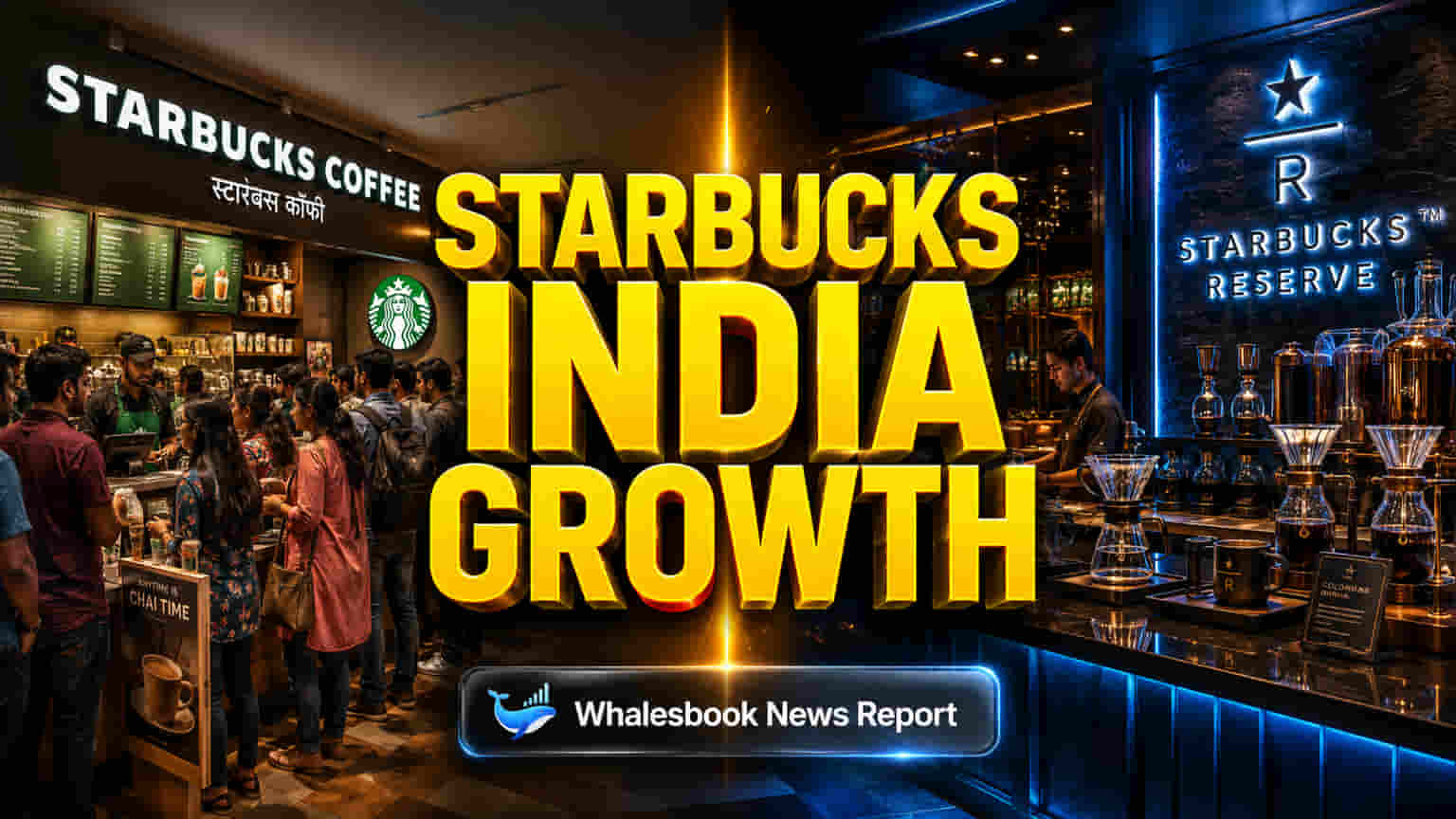


Hybrid Stores Drive Dual Strategy
Starbucks India is using both compact, convenient cafés and premium Reserve outlets to reach more customers. This strategy aims to serve different needs, from quick coffee stops to a more relaxed, premium experience, tapping into India's growing coffee culture and its expanding middle class.
Compact Cafés and Premium Reserve Outlets
The company is blending smaller, efficient stores in busy locations like airports and hospitals with larger, more immersive Starbucks Reserve cafés. The recent opening of its fourth Reserve location in Kolkata highlights this focus on premium experiences for customers seeking high-quality coffee. This approach aims to appeal to a wider range of consumers beyond major cities, as Starbucks now operates over 500 outlets across India.
Tata's Financial Strength Supports JV Amid Profit Hurdles
This expansion strategy is backed by strong results from its joint venture partner, Tata Consumer Products Ltd. (TCPL). For the March quarter of fiscal year 2026, TCPL reported a net profit of ₹424.02 crore, up 21.6% from the previous year, with revenue growing 18% to ₹5,433.62 crore. This continues TCPL's trend of double-digit revenue growth for the tenth straight quarter. For the full fiscal year 2026, TCPL's profit rose over 20% to ₹1,546.8 crore on revenue of ₹20,455.18 crore. However, the Tata Starbucks joint venture has faced its own profitability issues, reporting a loss of ₹135.7 crore on revenue of ₹1,277 crore last fiscal year. While operations have recently become cash-positive, high operating costs and competition continue to squeeze profits. Investors are valuing both Starbucks (SBUX) and TCPL highly, reflected in their high price-to-earnings (P/E) ratios (SBUX around 77-86, TCPL around 71-80), suggesting strong expectations for future growth.
Intense Market Competition Heats Up
Starbucks India operates in a fast-growing and highly competitive market. Although it leads in the number of branded coffee chain outlets, its expansion faces increasing pressure from local competitors and new artisanal coffee brands. Companies like Barista, Café Coffee Day (CCD), Third Wave Coffee Roasters, and Blue Tokai Coffee Roasters are growing their footprints and targeting smaller cities with more affordable options. For example, Barista plans to reach 800-900 outlets by 2030, mainly in smaller cities. This broad competition creates a challenging pricing environment for Starbucks, especially considering that many Indian consumers are price-sensitive, particularly outside major urban centers.
Balancing Growth with Profitability Goals
Even with its large store count, Starbucks India's strategy faces significant challenges. The joint venture previously saw its losses grow even as revenue increased, largely due to the high costs of rapid store expansion. This has prompted a rethink of growth plans, with reports suggesting fewer new stores will be opened in fiscal year 2026. The focus is shifting towards ensuring stores are profitable rather than just adding more locations. Starbucks has also reportedly paused its goal of reaching 1,000 stores by 2028 to concentrate on more sustainable growth. Managing the complexities and costs of both compact and premium store formats is an ongoing challenge. Additionally, Starbucks' premium pricing could be a disadvantage in a market with many price-sensitive consumers, especially when local brands offer similar experiences at lower costs.
Future Growth Depends on Profitability Path
India's coffee market is expected to grow significantly over the next decade, driven by factors like increasing urbanization, rising incomes, and a growing preference for café culture. Starbucks' strategy of offering diverse store formats, alongside tailored menus and improved customer experiences, aims to capture a portion of this market growth. However, the company must focus on becoming more efficient, controlling costs across its different store types, and proving a clear path to consistent profitability amid strong competition and price-sensitive consumers. Globally, Starbucks is seeing modest growth in comparable store sales and is restructuring its joint venture in China. The pace of its international expansion is also under review. Adapting to local tastes and innovating will be key for Starbucks to maintain its standing in India.