

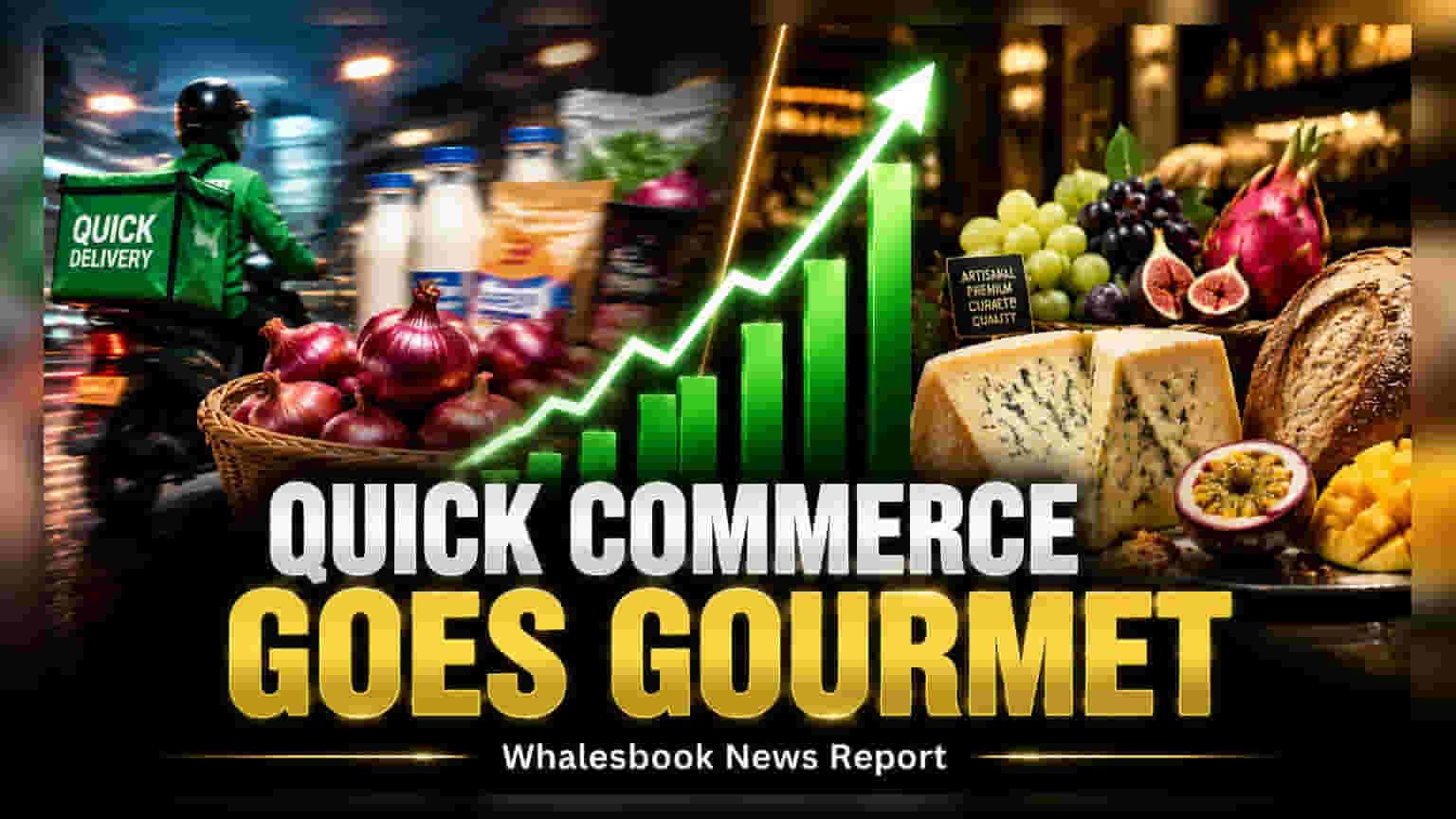
Blinkit, Zepto, and Instamart are launching premium grocery segments like artisanal cheese and imported goods. The shift aims to boost profit margins beyond low-margin daily staples. Investors should track whether these higher-value baskets can improve overall profitability or if the addressable market remains too small.
India’s leading quick commerce platforms are changing their business model by moving from low-margin daily essentials to high-value gourmet products. Companies such as Blinkit, Zepto, and Swiggy Instamart are now stocking premium items like artisanal cheeses, imported delicacies, and organic produce to attract wealthier urban consumers. This shift indicates that companies are looking for ways to improve profitability, as the standard model of delivering mass-market goods often results in thin margins.
Targeting Higher Order Values
The financial pressure to improve earnings is the main reason for this strategy. A typical grocery order on these platforms often averages between ₹500 and ₹620. By contrast, premium gourmet baskets are aimed at a range of ₹1,000 to ₹1,500 per order. Because these platforms often manage their own inventory for these premium categories, they can keep the full profit margin instead of relying on a smaller commission. This is a critical move, as some platforms have struggled to hit their adjusted EBITDA margin targets of 5% to 6% in recent quarters.
Competitive Impact on Gourmet Specialists
This entry by large, well-funded platforms into the premium food space directly challenges smaller, specialized retailers like FirstClub and Handpickd. While specialist retailers often maintain high customer loyalty—with retention rates reported near 70%—they operate in a niche market. The entry of major quick commerce players could disrupt this space, although it remains to be seen if mass-market app users will consistently choose these platforms for premium luxury items.
Investor Monitorables and Risks
While the move toward higher-value products could improve unit economics, there are several factors for investors to watch. The addressable market for premium grocery items is significantly smaller than the market for daily staples, meaning this strategy may not drive massive volume growth. Furthermore, the success of this pivot depends on how well these companies can manage supply chains for perishable gourmet goods, which often have higher spoilage rates and more complex handling requirements than packaged essentials. As Flipkart Minutes reportedly prepares to enter this space, competition for the premium consumer segment is likely to intensify, which could affect customer acquisition costs and the sustainability of these profit margins. Investors should monitor quarterly updates to see if the average order value actually rises and if these new categories significantly improve the company's bottom line.