

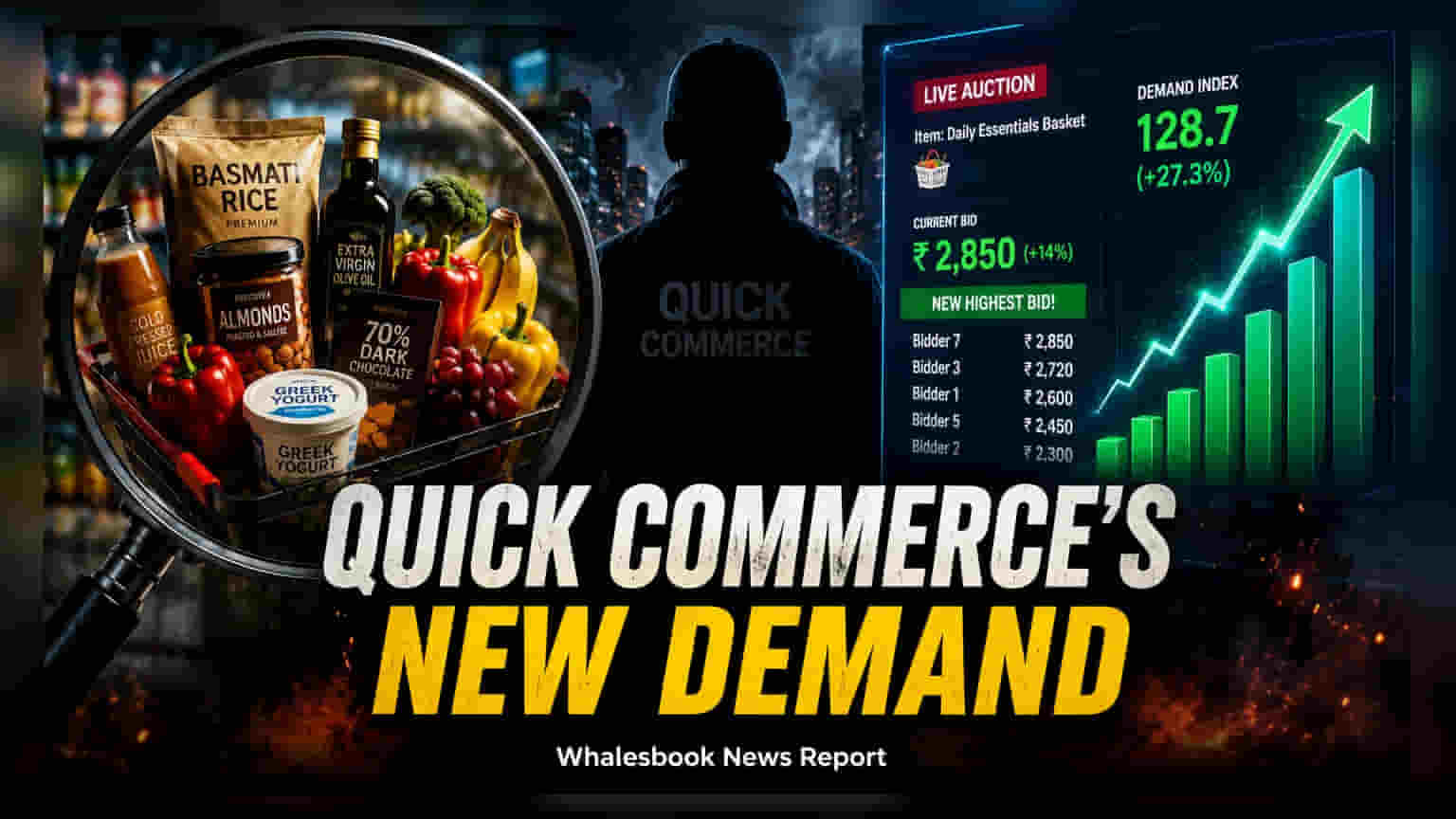
Quick commerce platforms are pressuring FMCG brands for higher margins and increased marketing spends via auction-style bidding. This shift reflects the growing dominance of rapid delivery channels in consumer retail, forcing manufacturers to balance visibility costs with profitability.
Detailed Coverage
Quick commerce platforms are increasingly flexing their retail influence to extract higher marketing investments and improved margins from consumer goods companies. As these delivery platforms capture a larger share of fast-moving consumer goods (FMCG) sales, they have moved away from simple partnerships toward a model of aggressive monetization. Brands now report that marketing costs on these platforms have surged by approximately 20% year-on-year, with some peak periods seeing jumps as high as 40%.
Auction-Style Bidding and Rising Costs
The shift is driven by the implementation of auction-style bidding for prime product placement and keyword search visibility. Platforms are no longer offering fixed-rate marketing slots; instead, they are inviting brands to bid against one another for top positions in category listings and search results. This practice has also extended to surrogate advertising, where a consumer searching for one brand may see rival products displayed prominently. Industry executives, including those at Parle Products and Adani Wilmar, have noted that the negotiation power has shifted toward the platforms, mirroring the traditional leverage once held exclusively by large modern retail chains.
For many manufacturers, quick commerce now accounts for up to 75% of their total online grocery sales. Consequently, companies are under pressure to accept these terms to maintain their market position. The urgency to secure visibility is particularly high for new product launches and premium categories, which thrive in the quick-delivery environment. While some manufacturers are developing platform-specific packaging and products to cater to these users, the rising cost of acquisition on these apps is beginning to weigh on overall margins.
Strategic Shifts in Retail Negotiations
Larger players are attempting to counter these pressures by leveraging their overall scale. For example, Reliance Retail has begun presenting its physical store network and its quick commerce arm, JioMart, as a unified front to negotiate consolidated trade terms. By integrating their omnichannel presence, large retailers aim to secure better margins than independent platforms. However, smaller and mid-sized brands may face greater difficulty in absorbing these increased marketing expenses, which directly impacts their bottom line.
Investors should monitor how FMCG companies manage these rising channel costs. The long-term profitability of brands will depend on their ability to pass on these expenses to consumers or optimize their marketing spend without losing market share. Additionally, the regulatory environment remains a key factor to watch; legal precedents concerning trademark use in digital keyword advertising may eventually influence how these platforms conduct their auction-based search placements.