

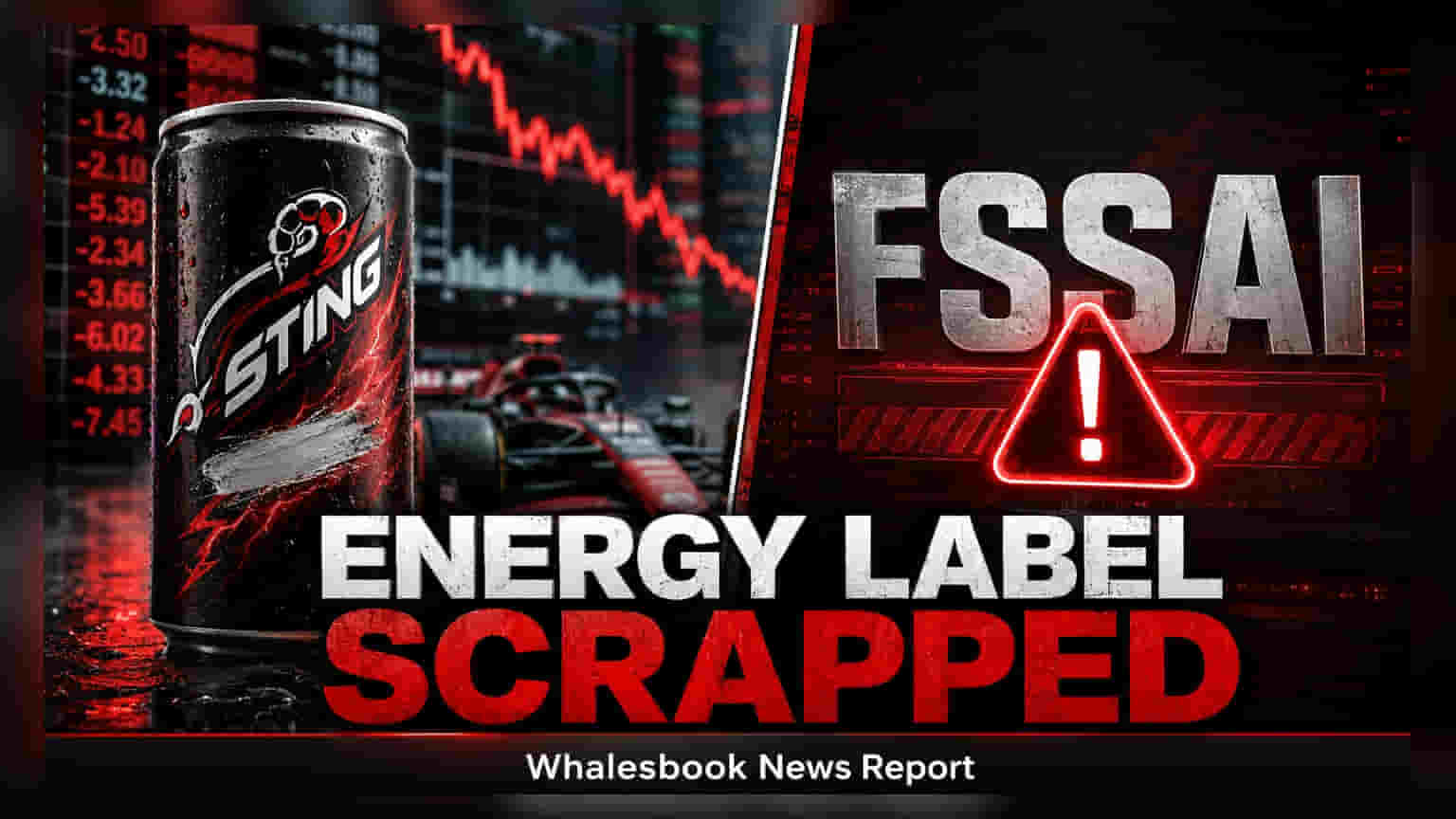
PepsiCo India is updating its Sting brand packaging to comply with new FSSAI regulations that no longer recognize 'energy drinks' as a formal category. The change follows regulatory concerns over misleading health claims, forcing major players to pivot their marketing strategies in the ₹13,000-crore Indian market.
PepsiCo India has started removing the word 'energy' from its Sting brand packaging to align with updated guidelines from the Food Safety and Standards Authority of India (FSSAI). The regulatory body has decided to stop recognizing 'energy drinks' as a distinct product category, arguing that marketing claims often linked to these products, such as claims that they revitalize the body and mind, can be misleading to consumers.
Impact on Market Players
The Indian energy drinks market is estimated to be worth approximately ₹13,000 crore. While PepsiCo is moving ahead with these changes, other major participants, including Red Bull, Reliance Consumer Products, Monster, and Hell, have reportedly requested an extension from the government to comply with the deadline. Companies are seeking more time to adjust their packaging, labeling, and marketing materials to avoid significant financial losses from existing inventory and pre-printed stock.
Strategic Shifts for Sting
Sting has played a vital role in PepsiCo's growth in this segment since its launch in 2017. Unlike premium-priced products like Red Bull, Sting captured a significant share of the Indian market by introducing more affordable options, such as its ₹20 PET bottle. As part of its compliance effort, PepsiCo is also adjusting its broader advertising strategy, including its association with Formula 1, which previously marketed the product as an official energy drink. Consumers can expect to see the updated packaging on store shelves shortly.
Industry Concerns and Retail Availability
The Indian Beverage Association, which represents large beverage companies like Coca-Cola, PepsiCo, and Reliance, has engaged with the FSSAI to ask for further consultation. The association has pointed out that changing packaging requirements on short notice can lead to operational difficulties and inventory waste. In the meantime, some retail distributors have reported a decline in the availability of energy drink stock, leading to temporary supply shortages in certain regions. Investors and industry followers will likely monitor how quickly major brands can transition to the new labeling standards and whether these regulatory changes influence consumer demand or future pricing strategies across the competitive beverage sector.