

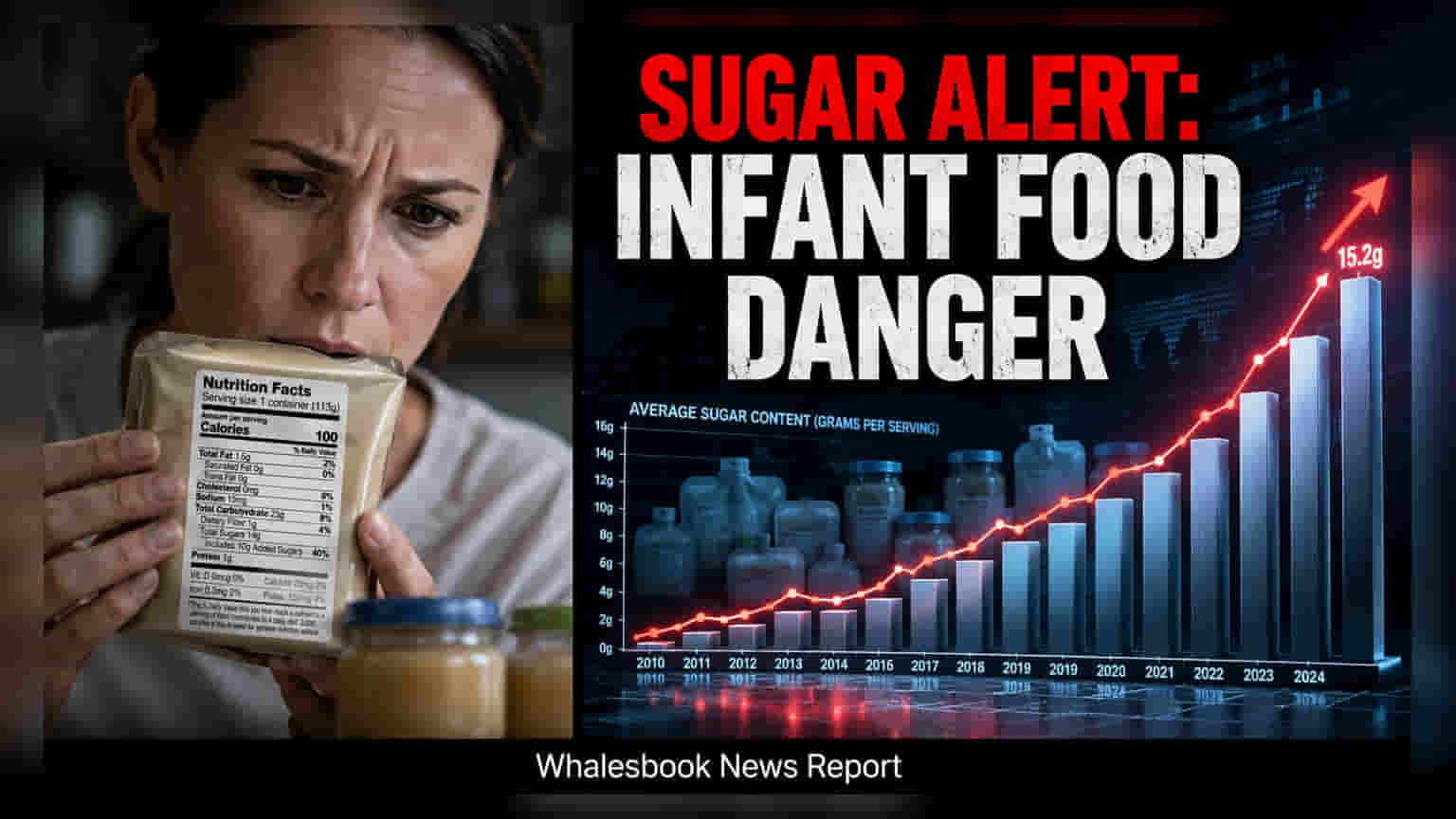
A parliamentary committee has recommended tighter sugar regulations for infant food products to align with international and Indian health guidelines. This move aims to curb long-term health risks like obesity by mandating clearer front-of-pack labelling for added sugars. Investors may track potential impacts on product formulations and compliance costs for companies in the packaged food sector.
A parliamentary standing committee has recommended new, stricter regulatory oversight for sugar content in infant food products sold across India. The report, presented by the Committee on Consumer Affairs, Food and Public Distribution, calls for infant formula, cereal-based foods, and other packaged items for children to follow specific sugar thresholds aligned with guidelines from the World Health Organization and the Indian Council of Medical Research–National Institute of Nutrition.
Impact on Food Labelling and Reformulation
The committee’s proposal focuses on a mandatory sugar-level classification under the Front-of-Pack Nutrition Labelling regime. This system intends to make nutritional information more visible to parents by requiring clear labels on the front of packaging, rather than just the back. Beyond simple disclosure, the panel urged manufacturers to consider reformulating their products to progressively reduce added sugar levels. These declarations would need to specify the amount of added sugar in grams per serving and its percentage contribution to a child's daily energy requirement.
Regulatory Oversight and Market Monitoring
To ensure compliance, the committee has encouraged the Department of Consumer Affairs to work closely with the Food Safety and Standards Authority of India and the Central Consumer Protection Authority. This coordinated approach is aimed at tightening the monitoring of food claims, particularly on e-commerce platforms where concerns regarding misleading advertising have been raised. By establishing a unified monitoring mechanism, regulators hope to curb cases of mislabelling across all packaged food categories.
Investor Context for the Food Sector
For companies operating in the packaged infant and children's food space, these recommendations signify a potential shift toward stricter compliance requirements. While these measures are framed as public health initiatives, they may influence how companies market their products and manage their ingredient portfolios. If adopted into policy, the move toward front-of-pack labelling and mandatory sugar limits could increase compliance-related costs or necessitate changes to existing product recipes. Investors may monitor how large food manufacturers respond to these potential regulatory changes, particularly regarding their ability to maintain product appeal while meeting new, health-focused standards. The timeline for implementation will be a key factor, as food companies will likely require time to adjust their manufacturing and packaging processes to meet these updated guidelines.