 Whalesbook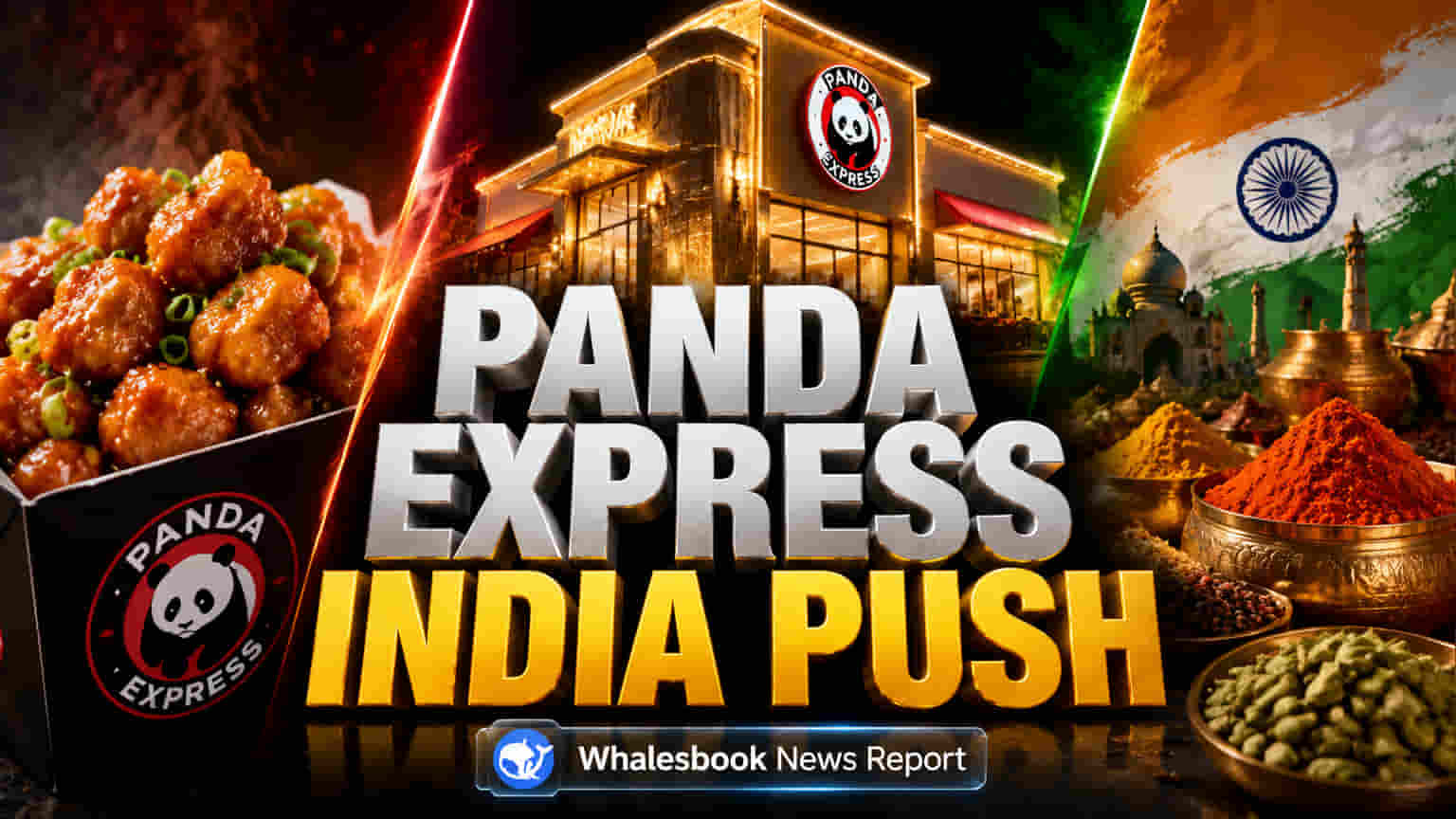


Why Panda Express is Aiming for a 'Third Lane'
Panda Express is investing ₹400 crore in its largest India expansion yet, aiming to introduce a distinct fast-casual dining experience. Spearheaded by franchise partner Trimex Foods, the plan is to offer American-Chinese dishes like its signature Orange Chicken. This aims to capture a niche between the highly localized, spicy 'Desi Chinese' food that is popular in India and more premium Asian offerings. The move comes as investor interest in India's food services sector rebounds after a period of market slowdown.
Panda Express Seeks a Unique Market Position
Panda Express, a global brand valued at about $9 billion with over $6 billion in U.S. annual sales, is betting on changing Indian tastes. The strategy is to fill a 'third lane' in Asian dining. This lane is separate from authentic Japanese or Korean cuisines and also from the common, spicy Indian-Chinese style. This is Panda Express's second attempt in India; a previous plan with JSM Corporation to open 50 outlets in 2016 was dropped. The new plan calls for 100 outlets starting in 2027, beginning in Delhi-NCR and spreading to other major cities.
The Challenge of India's Palate
The main challenge for Panda Express is its flavor profile. Its signature Orange Chicken, sweetened and crisped for American tastes, differs greatly from India's 'Desi Chinese' favorites like spicy Hakka noodles and Manchurian gravies. Industry observers note Panda must overcome 'fighting familiarity'—Indian consumers are used to decades of localized Indo-Chinese food, not just new options. The Asian cuisine market in India is worth an estimated $12-15 billion within the larger $126-billion food services industry, but about 80% comes from these familiar, localized dishes.
Trimex Foods: The Partner for Expansion
A key partner in this expansion is Trimex Foods, the exclusive franchise operator in India for Panda Express. Trimex also manages brands like Chili's, PAUL, and Cinnabon, operating over 50 outlets across 13 cities. The company recently secured $40 million in its first major funding round from private equity firm Siguler Guff, showing confidence in its growth model. This support is crucial as the Indian restaurant sector has seen funding challenges and supply chain issues. Trimex's ability to maintain Panda Express's consistent standards for ingredients and cooking will be vital for brand success.
Challenges Ahead for Panda Express
Panda Express's push into American-Chinese fast-casual dining in India carries significant risks in a market with strong, established tastes. While global brands like McDonald's and Domino's have succeeded, many others have found it difficult to adapt. The Indian market often favors localization, seen with popular brands like Chinese Wok and WOW! Momo that cater directly to local preferences. The strong demand for spicy, familiar 'Desi Chinese' dishes, typically priced at ₹150-400, is a major contrast to Panda's expected mall dining prices. While Indian consumers show interest in newer cuisines like Japanese and Korean for novelty and perceived health benefits, they may be reluctant to give up their favorite local options. Panda's prior exit from India in 2016 serves as a reminder of these challenges. The brand also faces competition from established players shifting focus to regional Indian food and fast-growing cloud kitchen models.
Market Potential and Key Hurdles
Panda Express's ₹400-crore investment hinges on its ability to establish a new category of Asian dining in India. While Trimex Foods' expertise will help navigate the complex market, deep-seated preferences for 'Desi Chinese' flavors and past international failures present major obstacles. India's overall food services market is projected for significant growth, potentially reaching Rs 12 lakh crore by FY30. Panda Express must show its American-Chinese model can succeed alongside the dominant local tastes that have long defined Chinese food in India.