 Whalesbook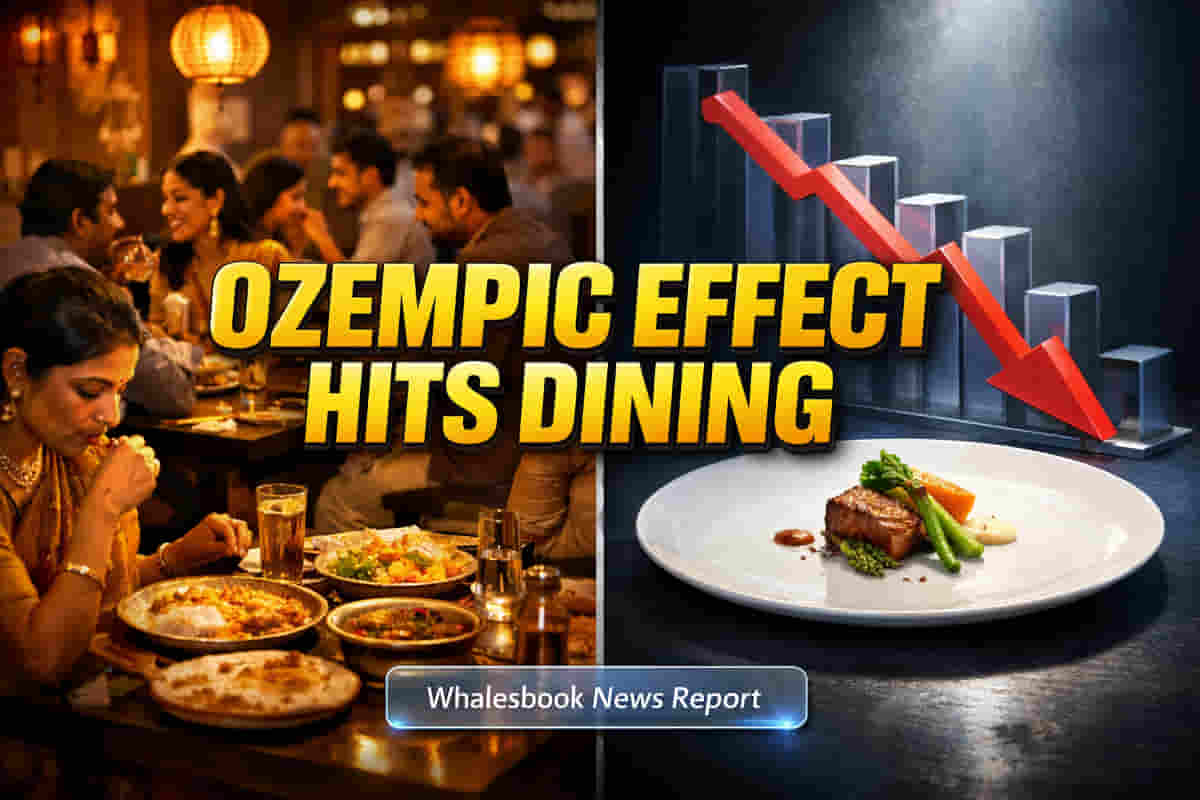
1. THE SEAMLESS LINK
The culinary landscape in India is undergoing a palpable transformation, driven by an emerging consumer demographic increasingly influenced by diabetes and weight-loss medications like Ozempic and Mounjaro. This phenomenon, colloquially termed the 'Ozempic Effect,' is recalibrating dining habits, pushing eateries towards a 'Size O' menu philosophy. As this trend solidifies, it presents a complex interplay of challenges and opportunities for established players like Speciality Restaurants Ltd. (900248.NS), which must navigate evolving consumer demands while contending with market-specific financial metrics and sector-wide dynamics.
### The 'Ozempic Effect' on Indian Dining
The adoption of GLP-1 receptor agonists for weight management is significantly altering how urban Indians interact with food. These medications reduce appetite and increase satiety, leading consumers to favor smaller portions and lighter, more protein-centric meals over traditionally heavy, carb-laden dishes. Restaurants like Massive Restaurants and Indigo Hospitality are already adjusting their offerings, recognizing a generational shift in culinary preferences. This trend mirrors earlier shifts in beverages, where diet versions supplanted sugary drinks. For Speciality Restaurants, which operates well-known chains like Mainland China and Oh! Calcutta, catering to this evolving demand could mean rethinking menu constructs, potentially impacting ingredient sourcing and preparation methods. As of February 20, 2026, Speciality Restaurants’ stock traded around ₹101.81, reflecting a market capitalization of approximately ₹491 crore.
### The Patent Expiry Catalyst
A significant catalyst poised to accelerate this trend is the impending March 2026 expiry of Novo Nordisk's semaglutide patents in India. Industry experts anticipate a dramatic price reduction of 30-75% for generic versions, potentially unlocking a domestic market opportunity exceeding ₹50,000 crore. This price erosion will likely broaden access to these weight-loss therapies beyond the current urban elite, making them more attainable for a larger segment of the population. Consequently, the demand for food options that align with the effects of these drugs – such as smaller, nutrient-dense meals – is expected to intensify across various dining segments, from casual to fine dining.
### Speciality Restaurants: Navigating the Shift
Speciality Restaurants holds a P/E ratio of approximately 23.68, which appears considerably lower than the sector average of 108.5, suggesting a potentially more conservative valuation relative to its earnings. The company maintains zero debt and has demonstrated profit growth in Q3 FY26, driven by festive season sales. However, its Return on Capital Employed (ROCE) for the half-year ended September 2025 stood at a modest 8.85%, considered low for the leisure services sector. Furthermore, a substantial portion of its profit before tax (64.08%) has been attributed to non-operating income, a factor that raises concerns about the sustainability of its core business operations. The company's stock has traded near its 52-week low of ₹99.22, indicating investor caution.
### Structural Weaknesses and Competitive Headwinds
Despite its market presence, Speciality Restaurants faces considerable headwinds. MarketsMojo has issued a 'Sell' rating for the stock, citing an average quality grade, fair valuation with microcap risks, and a bearish technical outlook. The company's technical indicators suggest it is technically weak, trading below several key moving averages and oscillators in a bearish zone. In the competitive Indian food services market, which is characterized by intense rivalry from both global giants like McDonald's and Yum! Brands, and domestic players such as Jubilant FoodWorks and Wow! Momo Foods, sustained profitability and growth depend on agility and operational efficiency. Competitor analysis reveals that some peers like Devyani International and Sapphire Foods appear overvalued, while others like Restaurant Brands Asia struggle with profitability, highlighting the complex valuation landscape. Speciality Restaurants' reliance on non-operating income and its below-average ROCE suggest potential vulnerabilities in its core business model, especially if demand patterns shift significantly without a corresponding adjustment in operational strategy.
### Forward Outlook and Market Positioning
The 'Ozempic Effect' is more than a fleeting dietary trend; it represents a fundamental shift in consumer health priorities that will likely persist and expand as these medications become more accessible. For Speciality Restaurants, success will hinge on its ability to adapt its brand portfolio – from casual dining to QSR-like formats – to meet the demand for lighter, healthier, and smaller meal options without alienating its existing customer base. While the company's established brands offer a foundation, its ability to innovate its menu, optimize costs, and leverage the growing health-conscious consumer segment will be critical for future performance, especially as competitor valuations and operational efficiencies vary widely across the sector.