

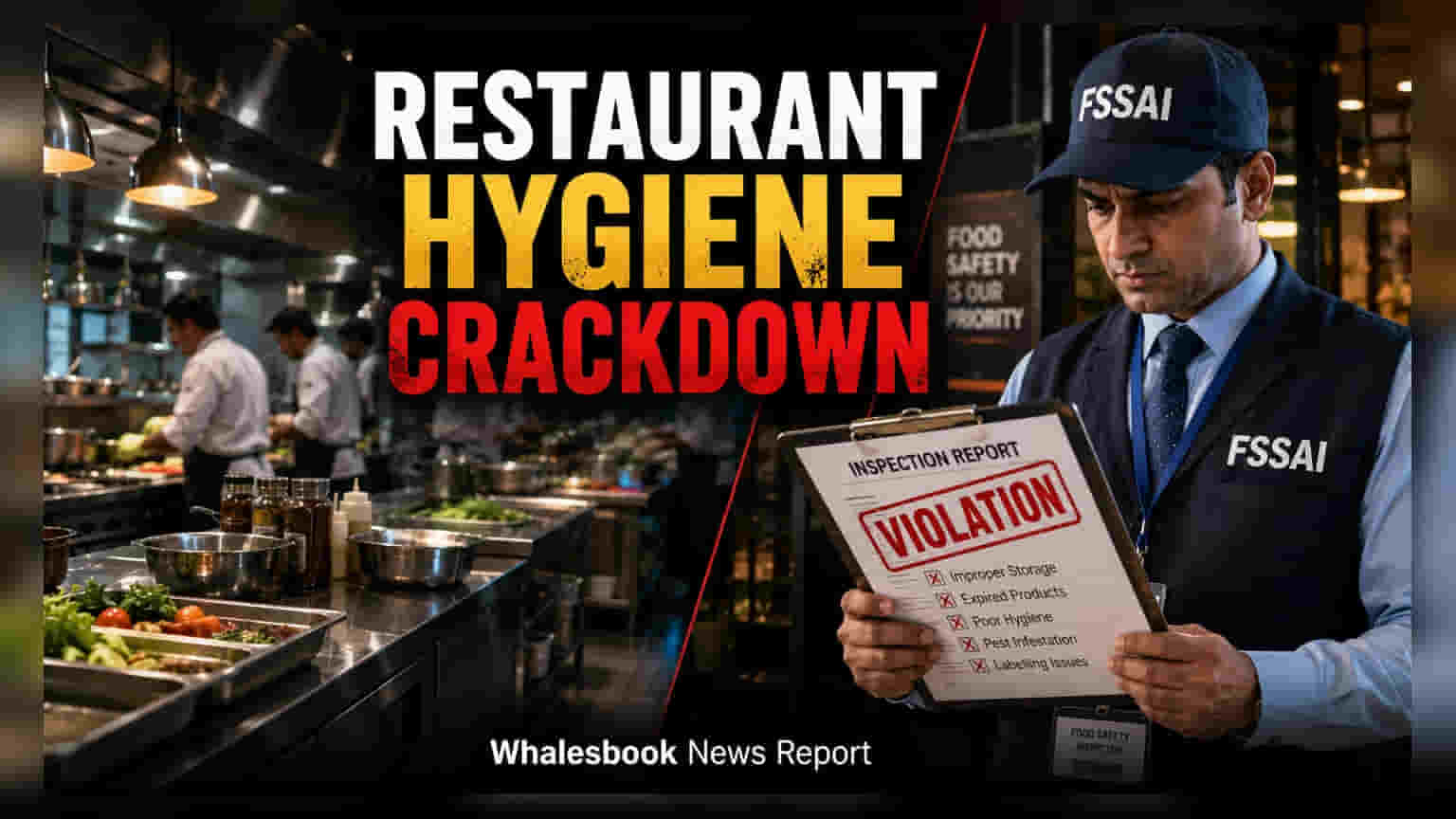
The National Restaurant Association of India (NRAI) is pushing back against public disclosure of food safety lapses as regulators intensify nationwide inspections. With over 150 notices issued to major restaurant chains and hotels, investors are assessing how tighter enforcement and potential reputational damage might impact operating costs and consumer trust in the food service sector.
The National Restaurant Association of India (NRAI) is seeking a change in how food safety enforcement is handled across the country. Following a series of regulatory actions against well-known hotel chains and food outlets, the association has publicly criticized the current method of 'naming and shaming' businesses found in violation of hygiene standards. The industry body argues that while maintaining food safety is a priority, the current approach focuses too heavily on public disclosure, which can damage long-term brand reputation without offering a clear path for corrective action.
This pushback comes as the Food Safety and Standards Authority of India (FSSAI) and various state regulators have significantly stepped up their inspection drives. Reports indicate that over 150 notices have been issued recently to various food business operators. The scrutiny has touched high-profile entities, ranging from major quick-service restaurant chains like Domino's Pizza to luxury hospitality brands such as Andaz Delhi and JW Marriott. Inspectors have cited various issues, including improper storage, handling of expired products, and hygiene concerns in kitchen areas.
Investor Implications and Operational Risks
For investors in the restaurant and hospitality sector, this trend of aggressive enforcement is significant. Food safety is a critical component of brand value, especially for organized chains that rely on consistent consumer trust to drive same-store sales growth. When a major brand is named in connection with hygiene lapses, the immediate impact is often a drop in customer footfall, which can directly affect quarterly revenue. Beyond the immediate reputation risk, there is a tangible impact on operating costs. Companies may need to increase spending on staff training, supply chain monitoring, and kitchen audits to ensure strict adherence to FSSAI guidelines. While these costs are necessary for long-term survival, they can exert pressure on profit margins in the short term.
Furthermore, the regulatory environment is becoming more complex. Beyond general hygiene, regulators are also scrutinizing aspects like labelling and marketing claims. The Supreme Court of India has also recently raised questions regarding the FSSAI's stance on front-of-pack labelling for unhealthy foods, suggesting that the regulatory environment is tightening across several fronts. For listed entities in the food and beverage space, these developments mean that compliance is no longer just a legal formality but a central business risk that can influence market sentiment.
What Investors Should Monitor
Moving forward, the primary factor for investors to watch is how quickly and effectively companies can address these regulatory notices. Consistent failure to fix structural hygiene issues could lead to more severe consequences, such as temporary or permanent closure of specific outlets, which would hurt local revenue. Investors may also look for updates in upcoming management commentaries or quarterly reports regarding compliance strategies and any changes in spending on quality control. The ability of large chains to maintain hygiene standards while managing rising operational costs will likely be a key differentiator in their future performance.