

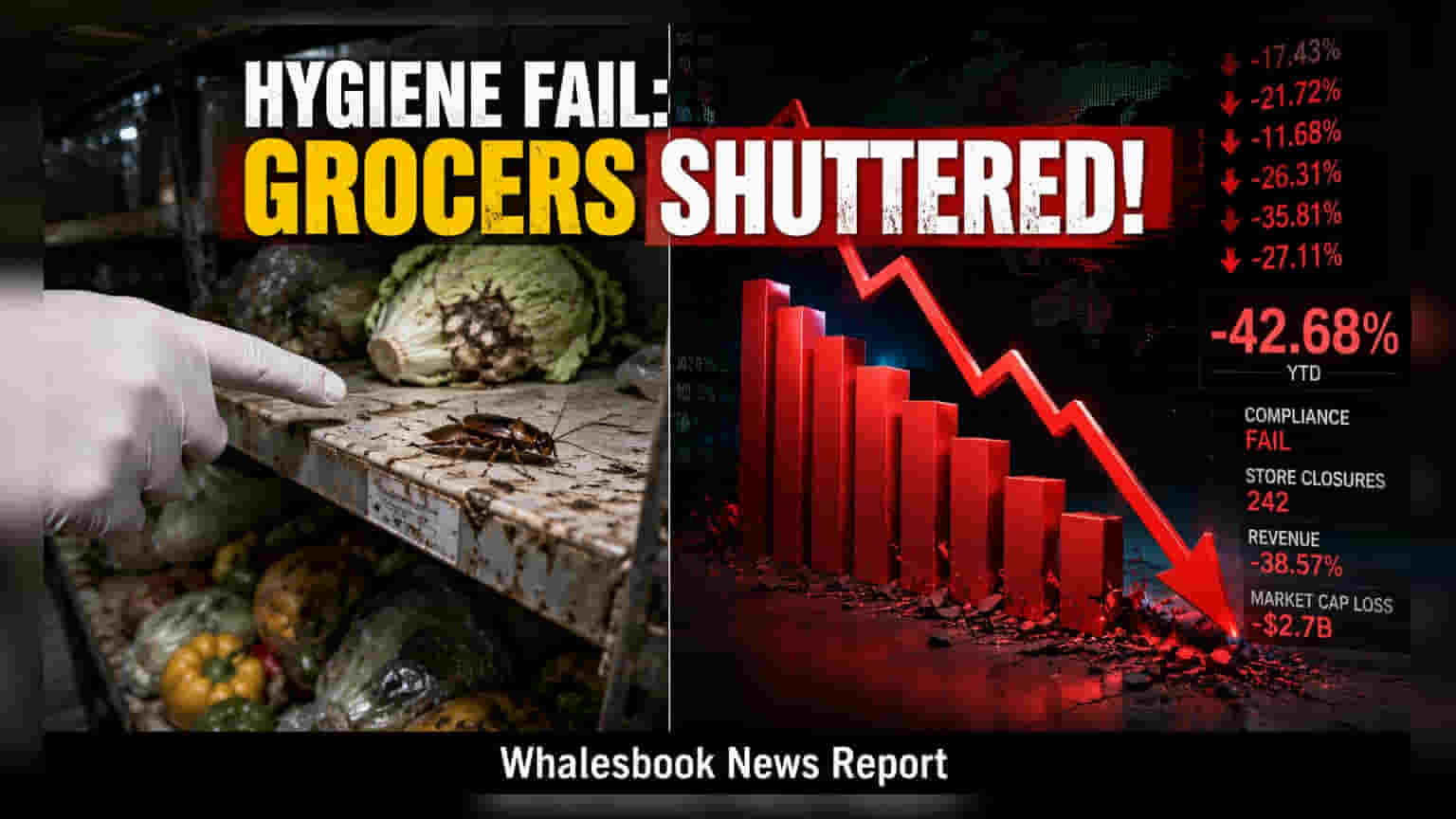
The Maharashtra Food and Drug Administration has suspended the licenses of 14 warehouses run by Blinkit, Zepto, and Swiggy Instamart following hygiene inspections. The crackdown, which uncovered issues like pest infestations and expired products, highlights rising regulatory and operational risks for the quick-commerce sector, which relies heavily on these decentralized storage units to meet rapid delivery targets.
The Maharashtra Food and Drug Administration (FDA) has taken significant enforcement action against major quick-commerce players, suspending the food licenses of 14 warehouses. The crackdown, led by FDA Commissioner Tukaram Mundhe, follows a series of surprise inspections across 86 establishments in the state. This move directly impacts the storage and distribution hubs, commonly known as "dark stores," that allow companies like Blinkit, Zepto, and Swiggy Instamart to promise delivery in under 10 or 20 minutes.
Hygiene Lapses and Regulatory Action
The inspection drive revealed alarming conditions at several facilities. Officials reported issues including cockroach and rodent infestations, evidence of expired food products being stored, and poor temperature control for perishable items. Furthermore, some facilities failed to maintain mandatory medical records for employees, raising concerns about hygiene and workplace safety standards. In addition to the 14 license suspensions—which include five Blinkit facilities, five Zepto warehouses, and two belonging to Swiggy Instamart—the FDA issued 60 improvement notices to other outlets, signaling a widespread push for better compliance in the sector.
Operational Risks for Quick Commerce
For investors, this development highlights a significant operational risk inherent in the quick-commerce business model. The entire value proposition of these companies relies on a vast network of decentralized micro-warehouses located near residential areas. If regulators maintain a strict stance on hygiene and safety, these companies could face repeated disruptions if they cannot ensure all facilities meet state standards simultaneously.
This creates a dual pressure. First, there is the immediate risk of lost revenue when a warehouse is shut down, as that specific micro-market cannot be serviced. Second, there is the financial impact of higher compliance costs. To avoid future suspensions, these companies will likely need to spend more on infrastructure upgrades, pest control, refrigeration, and specialized personnel. While these expenses are necessary for long-term sustainability, they can impact profit margins in a sector that is already focused on intense growth and high operational spending.
What Investors Should Monitor Next
The immediate impact of these closures will be the ability of these platforms to resume operations in the affected areas. Investors should watch for official statements regarding the remediation measures taken by these companies. Specifically, observers will look for updates on how the firms plan to streamline their quality control processes across thousands of similar dark stores nationwide to prevent similar regulatory action in other states. The enforcement action in Maharashtra serves as a clear signal that the rapid scaling of quick commerce will face increasing scrutiny from food safety regulators, and maintaining consistent hygiene standards will be as important as maintaining delivery speed.