

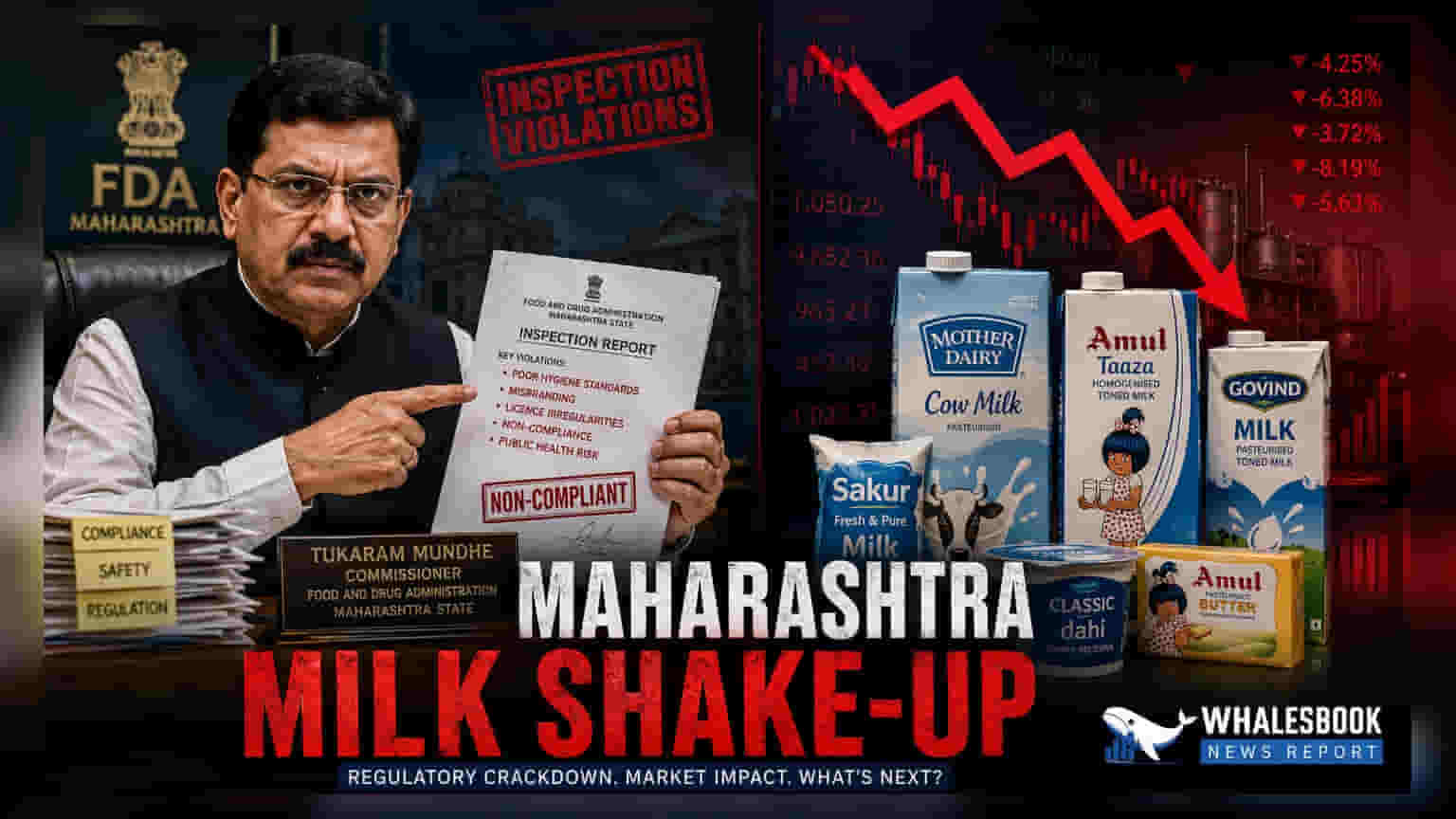
The Maharashtra Food and Drug Administration has introduced strict compliance rules for the state’s milk supply chain to curb adulteration and false labeling. Businesses found violating safety standards or operating without valid licenses now face penalties of up to Rs 10 lakh.
What Happened
The Maharashtra Food and Drug Administration (FDA) has launched a major regulatory initiative aimed at the state’s milk and dairy products sector. Commissioner Tukaram Mundhe announced new, comprehensive compliance orders that apply to the entire supply chain, from farm-level collection centers to retail packaging stations. The directive mandates stricter adherence to food safety standards, with a focus on preventing adulteration and stopping misleading product claims. Companies failing to comply with these updated guidelines, or those operating without proper registration and licensing, now face financial penalties of up to Rs 10 lakh.
Impact on Dairy Operations
The new guidelines significantly raise the operational bar for dairy processors and distributors. Every stage of the supply chain—including collection, cooling, pasteurization, and transportation—must now undergo regular Hazard Analysis and Critical Control Point (HACCP) assessments. The FDA has made it mandatory to use food-grade stainless steel equipment and maintain rigorous pest control protocols. Furthermore, accountability has been extended to transporters and businesses that receive milk supplies; they are now required to perform mandatory cleanliness checks on tankers to prevent contamination during transit.
Why This Matters for the Industry
For listed dairy companies and cooperatives operating in Maharashtra, this regulatory shift implies a need for higher compliance spending. Companies with older infrastructure or those relying heavily on third-party transport networks may face increased costs to upgrade facilities and implement stricter monitoring systems. The FDA’s move is part of a broader push to standardize food safety, similar to recent actions taken against the hospitality sector regarding fraudulent health certifications. By increasing the penalty to Rs 10 lakh, the regulator is signaling a move toward stricter enforcement, which could result in operational disruptions for entities that do not immediately align their processes with the new standards.
Compliance and Legal Risks
The primary risk for companies in this sector is not just the potential financial penalty, but the threat of license suspension or cancellation. The FDA’s explicit warning regarding misleading advertisements and false claims suggests that the regulator will be scrutinizing marketing practices alongside physical hygiene standards. If a company’s licenses are suspended due to compliance failures, it could lead to immediate halts in production or distribution, directly impacting revenue. Investors should be aware that companies with higher levels of automation and modern infrastructure are generally better positioned to meet these stringent requirements compared to smaller players.
What Investors Should Track
Investors may monitor the following to gauge the impact on major dairy stocks:
- Management commentary regarding compliance costs and capital spending needed to meet the new FDA standards.
- Any updates from company filings concerning license renewals or regulatory inspections in the Maharashtra region.
- Whether smaller, unorganized players in the market face difficulties, which could potentially shift market share toward larger, more compliant organized dairy companies.
- Any trends in operating margins if compliance-related expenses rise significantly over the coming quarters.