 Whalesbook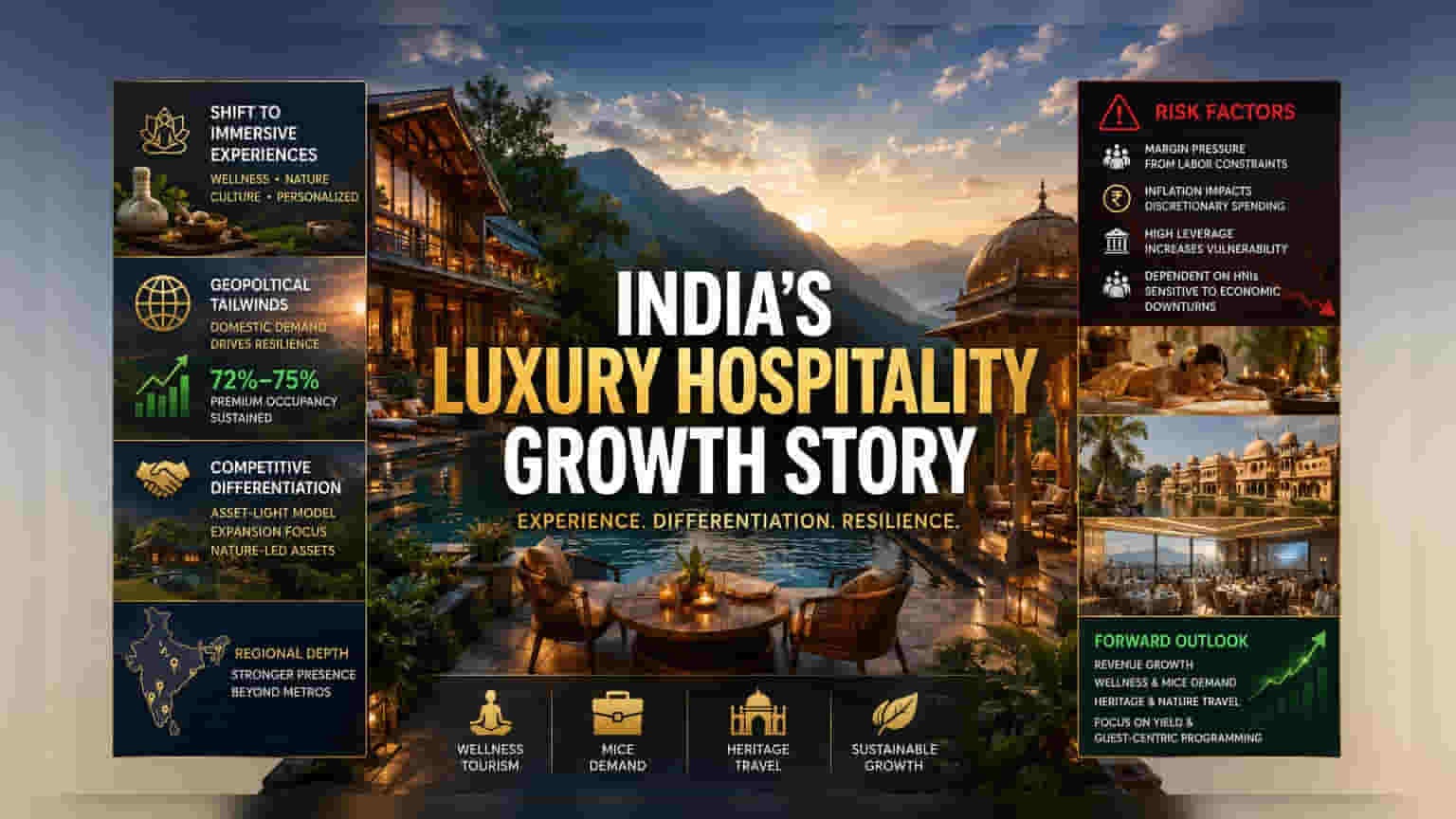


The Shift to Immersive Experiences
The traditional reliance on standardized lodging is rapidly eroding as India’s luxury hospitality operators refine their value proposition. Current market dynamics demonstrate that affluent consumers now prioritize health-conscious, nature-integrated, and culturally specific travel experiences. This transition is not merely a branding exercise but a strategic response to shifting consumer behavior. Operators are increasingly designing properties that function as wellness sanctuaries, leveraging local indigenous practices to create destination-specific value that competitive, cookie-cutter hotel formats cannot replicate.
Geopolitical Tailwinds and Domestic Resilience
While outbound travel remains an aspiration for many, near-term headwinds—including West Asian geopolitical tensions, unpredictable airline routes, and escalating travel costs—have significantly dampened the appeal of overseas excursions. Domestic luxury properties are effectively absorbing this redirected demand. Recent data indicates that premium domestic occupancy remains robust, consistently sustaining levels between 72% and 75%. This resilience has allowed top-tier hotel chains to maintain pricing power, even as the industry moves away from the post-pandemic 'revenge travel' surge toward a more sustainable, experience-led growth trajectory.
Competitive Differentiation and Capital Allocation
The competitive landscape is intensifying as non-traditional players enter the luxury space, viewing hospitality as a natural extension of lifestyle brand ecosystems. Industry executives are moving toward an asset-light, expansion-heavy model to maximize returns on invested capital. For instance, recent marquee acquisitions of nature-led resorts in regions like the Western Ghats highlight an industry-wide pivot toward high-barrier-to-entry, experiential assets. This strategy contrasts sharply with the historical focus on metro-centric business hotels, reflecting an institutional shift toward regional depth.
Risk Factors and Structural Weaknesses
Despite the optimistic outlook, the sector faces distinct operational risks. A primary concern is the potential for margin compression if the rapid pace of expansion outstrips the availability of skilled labor. Additionally, while domestic demand currently provides a cushion, the sector remains sensitive to inflationary pressures on discretionary spending. Unlike global hospitality giants that may possess deeper capital reserves for weathering localized downturns, some domestic players are navigating this growth cycle with higher leverage ratios, making them more vulnerable to shifts in interest rates or sudden regulatory changes in tourism policy. Furthermore, the reliance on high-net-worth individuals means any broader economic cooling could directly impact the occupancy of premium-tier leisure assets more severely than mid-market segments.
Forward-Looking Outlook
Market sentiment remains cautiously optimistic for the remainder of 2026. Institutional analysts project continued revenue growth as operators refine their offerings to meet the sustained demand for MICE, wellness tourism, and heritage-led travel. The strategic focus on deepening regional penetration is expected to provide a defensive buffer against volatility in major urban hubs. As the industry consolidates its shift toward lifestyle-oriented hospitality, the focus will likely move from mere inventory expansion to optimizing yield through highly curated, guest-centric programming.