

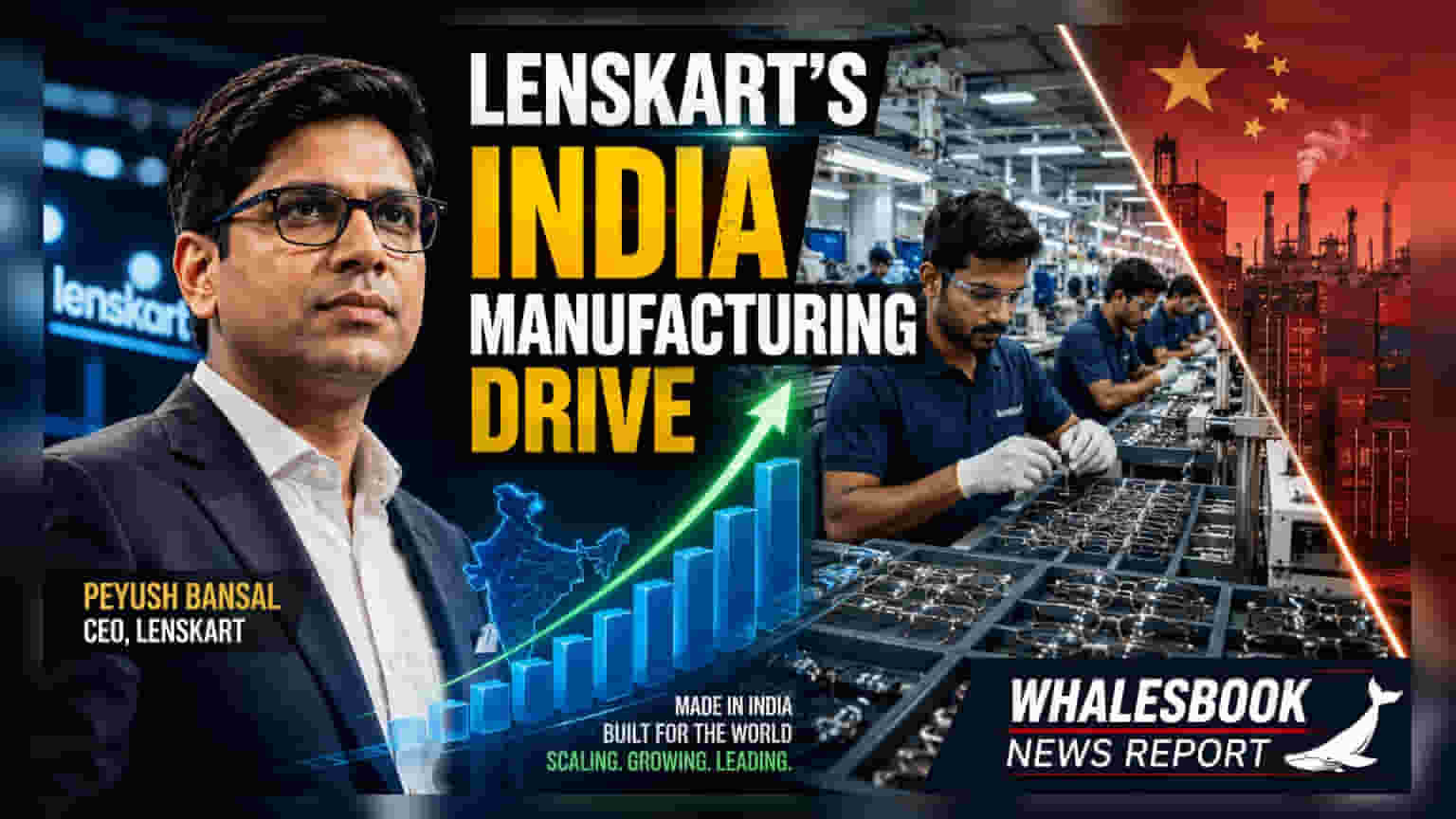
Lenskart has merged its two subsidiaries, Dealskart and Lenskart Eyetech, into its parent entity to streamline business. It has also formed a joint venture with China’s Mingfeng Glassesworld to manufacture metal spectacle frames locally. The move aims to cut import reliance and improve supply chain control, though local manufacturing execution will be a key factor to watch.
What Happened
Eyewear retailer Lenskart has announced a significant restructuring of its business operations. The company is merging its two wholly-owned subsidiaries, Dealskart Online Services and Lenskart Eyetech, into its parent organization, Lenskart Solutions. Alongside this corporate restructuring, Lenskart has entered into a joint venture with Mingfeng Glassesworld, a company based in China. This partnership is aimed at establishing local manufacturing capabilities in India for metal spectacle frames. While Lenskart is a private entity and not traded on public stock exchanges, these moves offer insight into how major consumer retail brands are shifting their strategies to control supply chains.
Why The Restructuring Matters
Merging subsidiaries into a single parent entity is a common step for businesses looking to simplify their internal operations and financial reporting. By bringing Dealskart and Lenskart Eyetech under the umbrella of Lenskart Solutions, the company can potentially reduce administrative costs and improve decision-making speed. For a company that manages a vast network of online and offline retail stores, a simplified corporate structure can help in allocating capital more efficiently across its various departments. Investors in the consumer retail space often monitor such moves as they typically precede efforts to improve overall profitability or prepare for future growth phases.
The Move Toward Local Manufacturing
Manufacturing metal spectacle frames in India represents a strategic shift for the company. Historically, many eyewear brands relied heavily on importing high-quality metal frames from international markets, including China. By partnering with Mingfeng Glassesworld—an entity with specialized expertise—Lenskart is attempting to bring that technical know-how into India. The primary objective is to move away from a model that depends on finished imports and toward a model where the company has direct oversight of the production process. If executed successfully, local manufacturing can help the company protect its profit margins from fluctuating import costs and potential global supply chain disruptions.
Potential Risks and Challenges
While the goal is to localize production, this transition comes with distinct business risks. Setting up and operating manufacturing facilities in India involves significant capital expenditure and operational complexity. The company will face the challenge of matching the quality and scale of international production while maintaining competitive pricing. Additionally, partnering with an international firm, especially in the current regulatory environment regarding cross-border investments, requires careful compliance management. Any delays in setting up the manufacturing unit or unexpected cost increases could impact the efficiency gains the company is seeking.
What To Watch Next
For those monitoring the retail and manufacturing sector, the next steps for Lenskart will be critical. The primary monitorables include the timeline for the new manufacturing facility to become operational and its capacity to meet the company’s product requirements. Furthermore, the industry will watch to see if this localized production model leads to improved margins or better product availability for customers. As the company integrates its subsidiaries, market observers will also look for updates on its overall financial health and operational efficiency.