 Whalesbook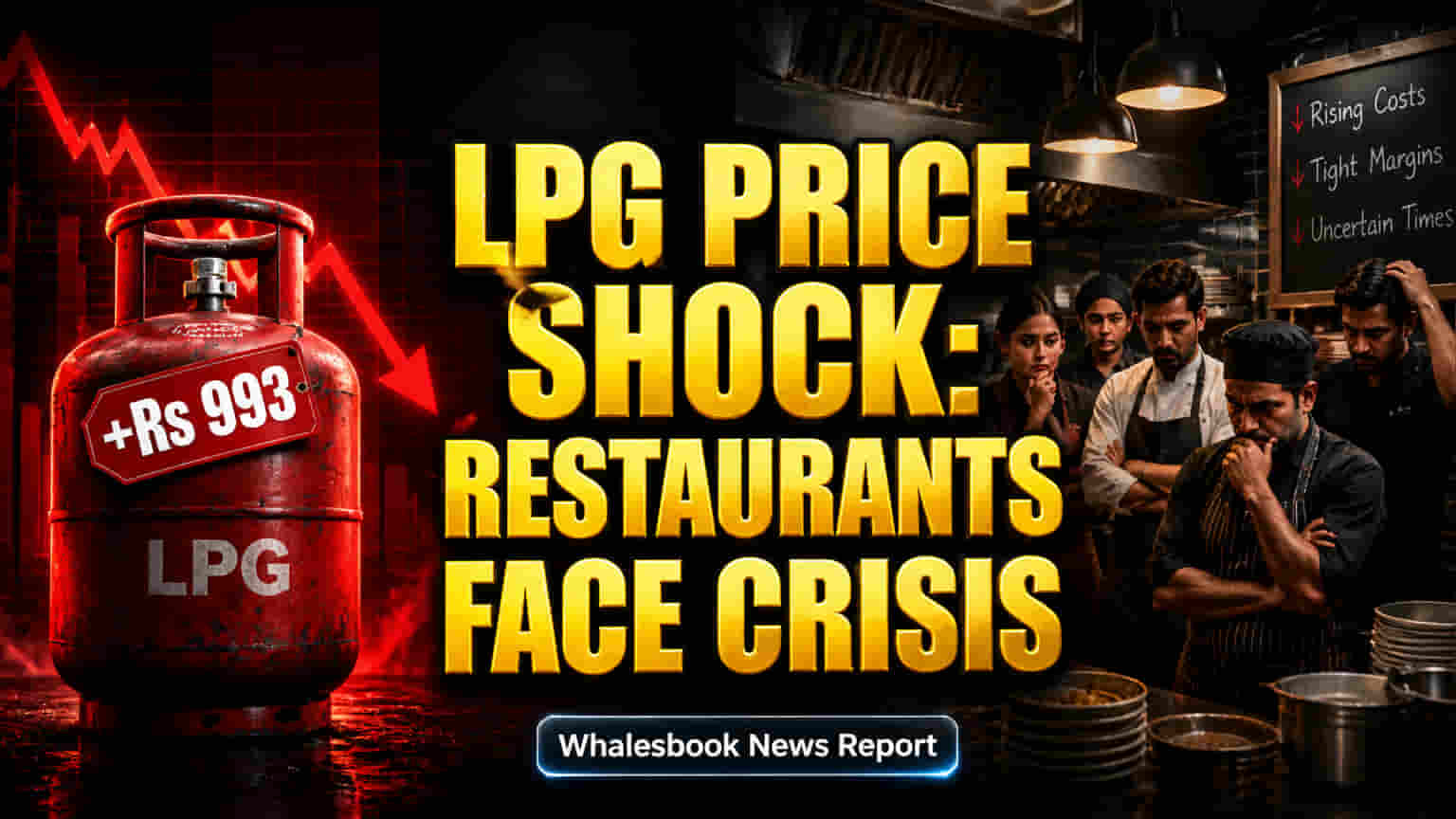


The Escalating Cost Crisis
A steep ₹993 increase in the price of a 19kg commercial LPG cylinder, effective May 1, 2026, has pushed the cost in Delhi to ₹3,071.50. This marks the third consecutive monthly price adjustment, driven by global energy volatility due to the West Asia conflict. Costs have risen by about ₹1,303 over three months. For medium-sized restaurants using two to five cylinders daily, this means significantly increased operating costs, potentially tripling previous expenses that were around ₹1,300-₹1,600 per cylinder. Street vendors, operating on very tight margins, face a serious threat, with some resorting to black market purchases or considering shutting down. Domestic LPG prices have not changed, offering no relief to businesses unlike households.
The PNG Pivot and its Hurdles
In response to rising costs and uncertain supply, industry bodies like the National Restaurant Association of India are advising a transition towards Piped Natural Gas (PNG) connections, supported by companies like Indraprastha Gas Limited (IGL). PNG offers more stable and continuous supply than LPG cylinders, which have suffered availability problems and black market issues. IGL is positioned to benefit by supplying natural gas across various sectors and states. However, the immediate adoption of PNG is hampered by significant initial investment for connections and upgrades, making it difficult for smaller businesses and street vendors already facing cash flow problems.
Broader Economic Ripples
The escalating energy prices go beyond cooking fuel. Global energy markets have seen major disruptions, with oil prices surging due to issues in shipping lanes like the Strait of Hormuz. This inflation also affects logistics and transport costs, adding to the financial strain on food businesses. The World Bank projects energy prices to rise 24% in 2026, with overall commodity prices up 16%. Analysts warn that sustained high costs could speed up industry consolidation, benefiting larger, well-funded companies.
Small Businesses Face Uphill Battle
These energy shocks highlight the fragility of the food sector, especially for smaller businesses. Reliance on volatile global energy markets, worsened by geopolitical issues, creates ongoing risks of supply disruptions and unpredictable cost hikes. Street vendors and small eateries, operating on very tight margins (often single to low double digits), are highly vulnerable. The black market, often due to scarcity, increases costs and creates unfair competition. Previous reports from 2024 and earlier noted how inflation, driven by rising oil and fuel costs, severely squeezed vendor profits. This situation clearly risks business closures and job losses, especially for informal sector operators unable to absorb rising costs or invest in alternatives. Alternatives like induction stoves, though greener, can cause higher electricity bills and face unreliability from power cuts, offering limited relief. Businesses have limited ability to absorb these costs without raising menu prices, risking lower consumer demand and economic slowdown. The precedent of the 2021 inflation crisis, where vendors struggled to pass costs and saw customer spending drop, is a stark reminder.
Future Outlook Amid Challenges
India's food service market, expected to reach over $282 billion by 2034, faces significant challenges. While long-term growth is strong, fueled by rising incomes and a vibrant dining culture, near-term hurdles are significant. Brokerage reports suggest industry consolidation will speed up, as larger chains are better equipped to handle rising costs with economies of scale and efficiency investments. Sustainability trends like waste reduction and energy efficiency are expected to grow, becoming key cost-management strategies rather than just branding. Indraprastha Gas Limited, with a P/E ratio around 14.1 in April 2026, will likely benefit from growing PNG demand amidst price volatility. However, the immediate future for small businesses and street vendors is uncertain, depending on energy price stabilization or quick access to affordable alternatives.