

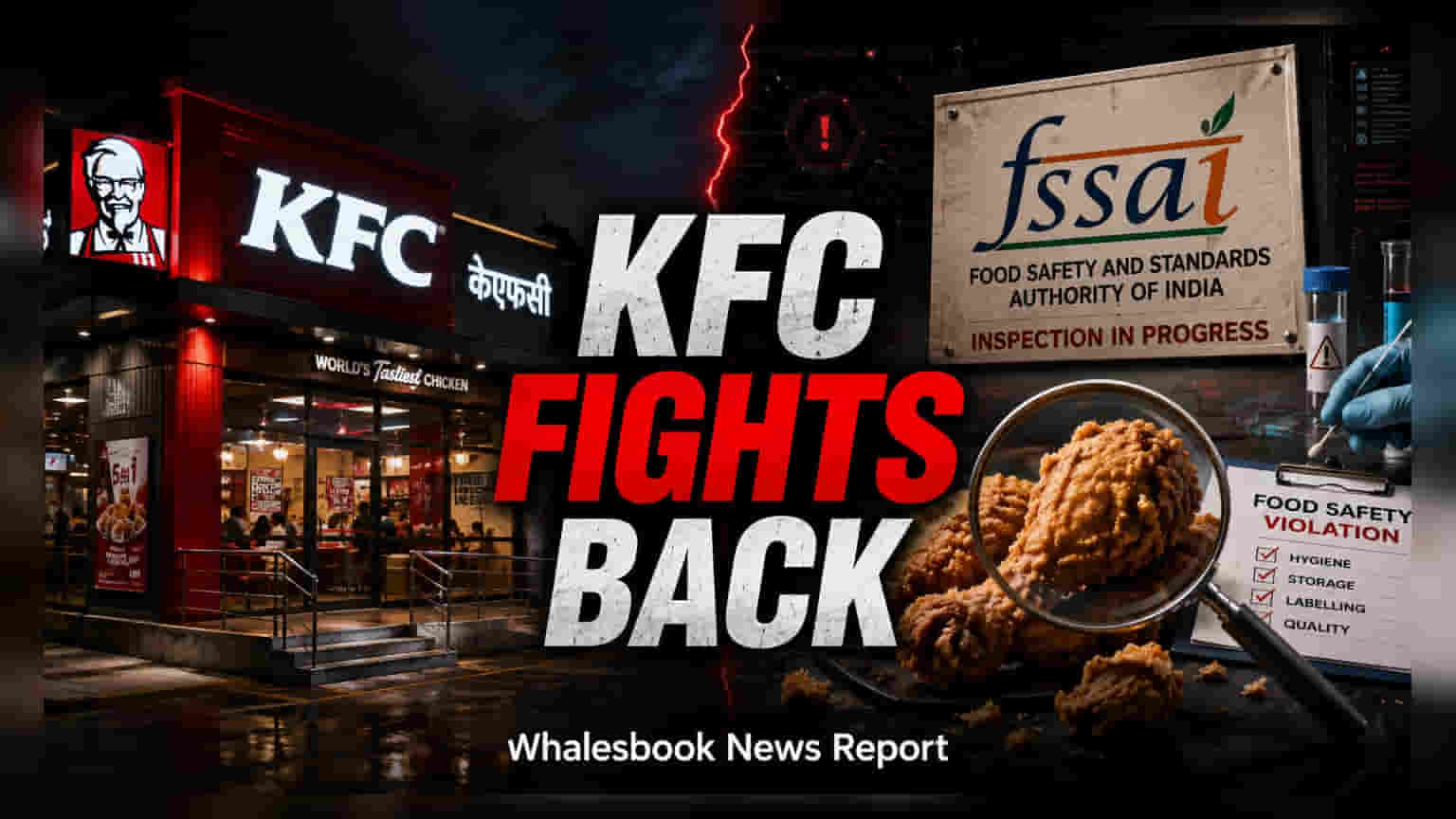
KFC has denied allegations of serving stale food following a surprise inspection by Karnataka safety officials at its Mangaluru outlet. The facility was sealed after a customer complaint, and samples have been sent for testing. Investors are monitoring the situation due to the potential impact of heightened food safety scrutiny on operations for KFC’s Indian franchise operators.
KFC has issued a formal denial regarding reports of serving stale chicken at its Mangaluru outlet. The statement follows an inspection by the Karnataka Food Safety Division, which led to the temporary sealing of the outlet’s storage area after a customer complained about food quality. The company stated that the reports circulating regarding the incident do not reflect the facts and emphasized that it follows strict Food Safety and Standards Authority of India (FSSAI) guidelines along with global quality checks.
The inspection is part of a wider, intensified safety drive across the state of Karnataka. During the visit, officials collected food samples, including chicken and cooking oil, to verify if they meet mandatory safety standards. The company noted that it is fully cooperating with the authorities and reviewing the matter in line with regulatory requirements.
For Indian investors, this event highlights the operational risks inherent in the quick-service restaurant sector. KFC outlets in India are primarily operated by listed franchisees, Devyani International Ltd and Sapphire Foods India Ltd. While this incident involves a single outlet, brand reputation is a vital asset for these companies. Any verified finding of safety non-compliance can lead to temporary outlet closures, reputational damage, and increased compliance costs as regulators enforce stricter oversight.
The restaurant sector in India is currently facing increased scrutiny regarding food hygiene and storage practices. While companies invest heavily in supply chain transparency, the risk of local incidents creating negative brand sentiment remains a concern. Franchisees often face the challenge of ensuring consistent quality across hundreds of outlets, and regulatory bodies are becoming more proactive in conducting surprise checks to ensure consumer safety.
The key monitorable for stakeholders will be the laboratory test results of the samples collected by the authorities. Investors will also track any further regulatory actions or requirements for procedural changes that may be mandated in Karnataka. The company’s ability to manage these operational risks and maintain customer trust remains a significant factor for its brand value in the region.