 Whalesbook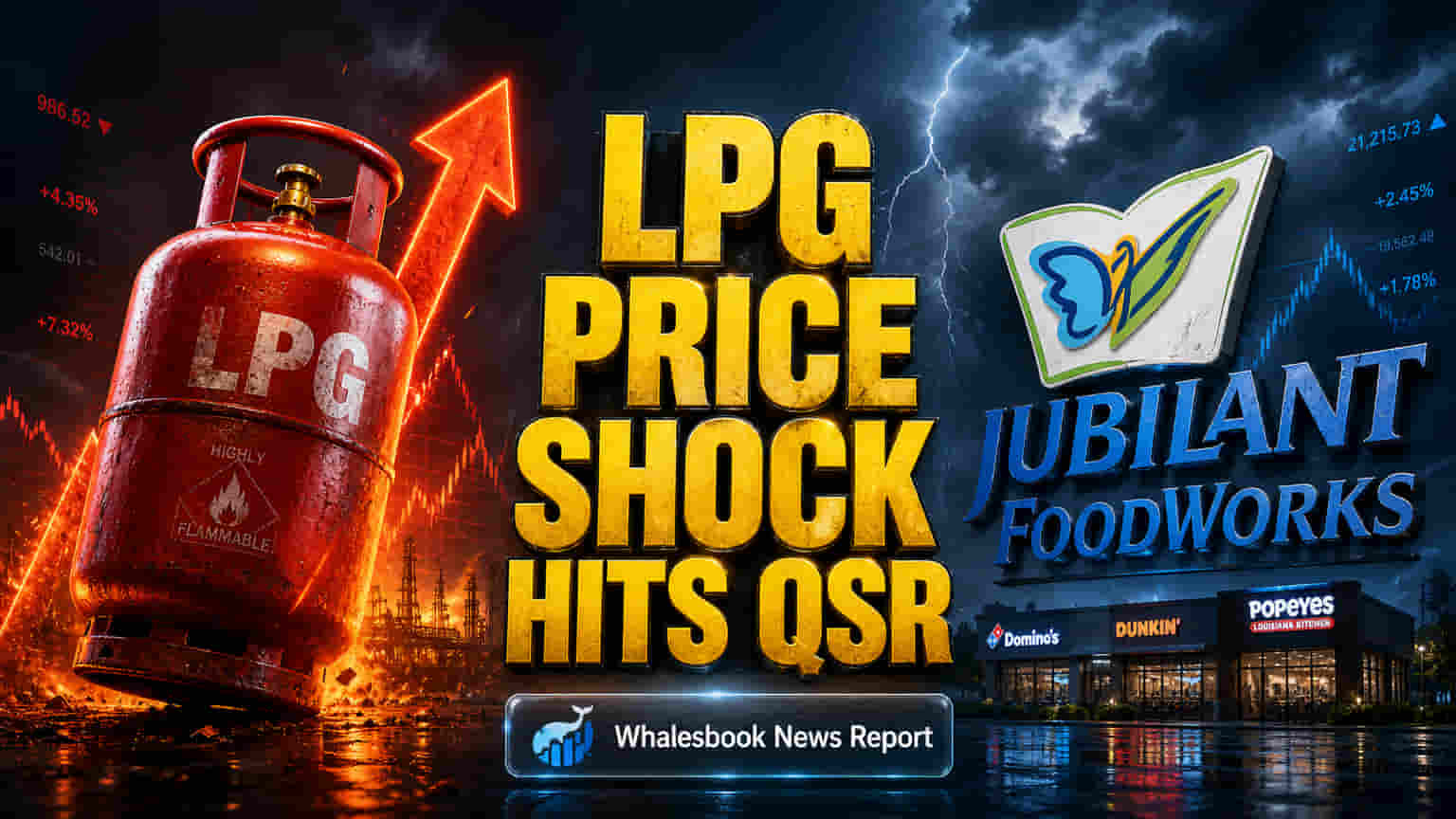


LPG Price Surge Threatens QSR Margins
A steep nearly 50% rise in Liquefied Petroleum Gas (LPG) cylinder prices is threatening the profitability of quick-service restaurant (QSR) chains. Analysts note this significant cost increase greatly increases operating costs, especially for pizza outlets that heavily rely on gas-powered kitchens.
Jubilant FoodWorks Faces Steepest Impact
Jubilant FoodWorks, which operates Domino's Pizza in India, faces the most cost pressure. The company's large network of approximately 2,400 outlets, with a substantial 75-80% still using LPG, means considerable annual gas costs. Elara Capital estimates these costs could reach ₹2,700 crore annually, about 14% of projected costs for goods sold in FY27. A 50% price hike could add another ₹1,350 crore to its expenses.
Earnings and Valuation Concerns Mount
This cost burden could result in an estimated 8% negative impact on absolute earnings before interest, taxes, depreciation, and amortization (EBITDA) and a 150 basis point reduction in profit margins. Analysts warn of a potential 22% downgrade to fiscal year 2028 standalone earnings if these costs cannot be passed on to consumers. Such a scenario challenges Jubilant FoodWorks' high valuation, which assumes strong cost savings and profit growth. Analysts project EBITDA growth could slow to approximately 14% from previous expectations of 22%.
Mitigation Strategies and Sectoral Divide
Despite these challenges, analysts suggest Jubilant FoodWorks has ways to manage some of the impact. A targeted price increase of 2% to 3% is seen as feasible without significantly deterring demand, especially with easing competition in the pizza segment. Higher input costs may hit smaller, standalone pizza chains harder, potentially allowing larger chains like Jubilant to gain market share. The reliance on LPG varies across the sector; while Jubilant relies heavily on it, players like McDonald's and Burger King are less reliant (10-15%), and KFC franchisees use about 30-35%, resulting in a smaller EBITDA impact for them.
Food Delivery Platforms Remain Resilient
The immediate impact seems limited for food delivery platforms such as Zomato and Swiggy. They might experience a change in the types of orders, but this could be balanced by recent increases in platform fees. While how LPG prices move is still a key factor, the current spike creates significant uncertainty for QSR earnings, particularly for gas-dependent operations.