

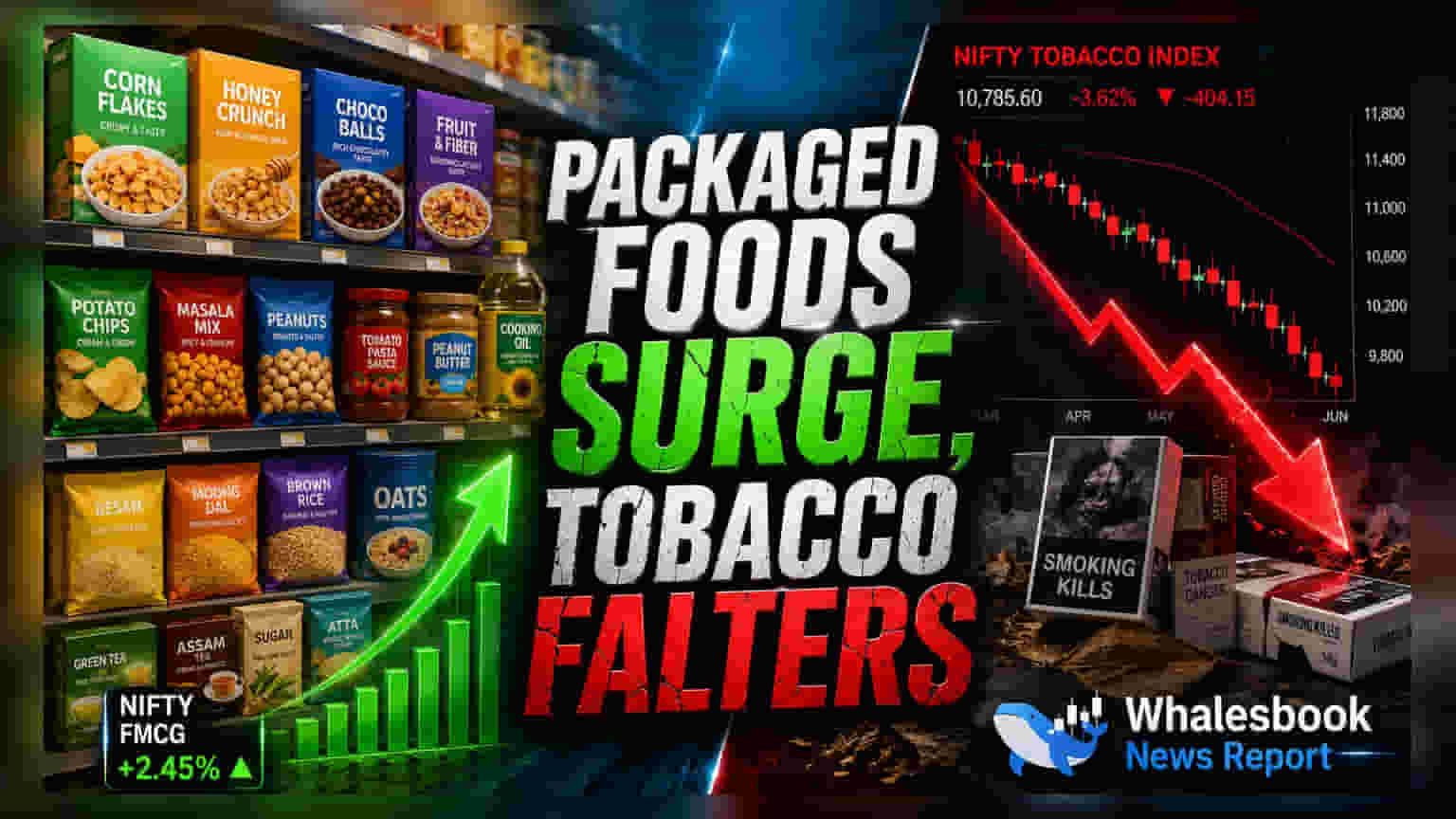
JPMorgan anticipates a steady first quarter for Indian consumer staples in FY27, with packaged foods leading revenue growth. While packaged foods benefit from a rural recovery, the home and personal care segment is seeing growth driven by higher sales volumes. Meanwhile, the tobacco sector is expected to trail peers due to ongoing industry pressures.
What Happened
JPMorgan has released its outlook for India’s consumer staples sector for the first quarter of the 2027 fiscal year (April–June 2026). The brokerage expects the sector to deliver stable performance, though growth will be uneven across different product categories. The report identifies packaged foods as the frontrunner for revenue growth, fueled by strong demand in urban areas and a recovery in rural consumption patterns. This update offers investors a view of which segments may perform better as the new financial year begins.
Why Packaged Foods Are Leading
The packaged foods category is expected to report the highest revenue growth for the quarter. This is a significant shift, as the sector has been working to balance demand and pricing over recent quarters. The report suggests that the combination of sustained urban purchasing power and a rebound in rural markets is creating a favorable environment for food brands. For investors, this implies that companies with strong distribution networks in rural areas and well-known food brands may see more positive results compared to those focused purely on urban markets.
The Volume Trend In Personal Care
The Home and Personal Care (HPC) segment is projected to secure the second-highest growth position. A key takeaway for investors here is the nature of this growth. The sector is seeing 'volume-led' growth, which means more units are being sold rather than just companies increasing the prices of existing products to boost revenue. This trend is being supported by relatively stable raw material costs, which allows companies to avoid significant price hikes. When prices remain steady, consumers are more likely to increase their consumption, which is generally considered a healthier sign for long-term business sustainability.
Why Tobacco Faces Hurdles
In contrast to food and personal care, the tobacco segment is expected to grow more slowly than other consumer categories. The segment faces persistent challenges that are causing it to lag behind its peers. While the report does not detail specific company names, the tobacco industry in India frequently deals with regulatory hurdles, including tax changes and government policy shifts, which can dampen growth potential compared to the broader consumer staples market.
What Investors May Monitor
As the quarter progresses, investors may want to track a few key indicators. First, watch for commentary on rural demand trends in company earnings calls, as this is a primary driver for the packaged foods segment. Second, keep an eye on raw material costs for HPC companies; if commodity prices begin to rise, these companies may be forced to raise prices, which could slow down volume growth. Finally, for the tobacco segment, any shifts in government policy or taxation remain the most important variables that could impact future performance. Investors should look at how individual companies manage their product mix and cost structures to navigate these sector-specific trends.