

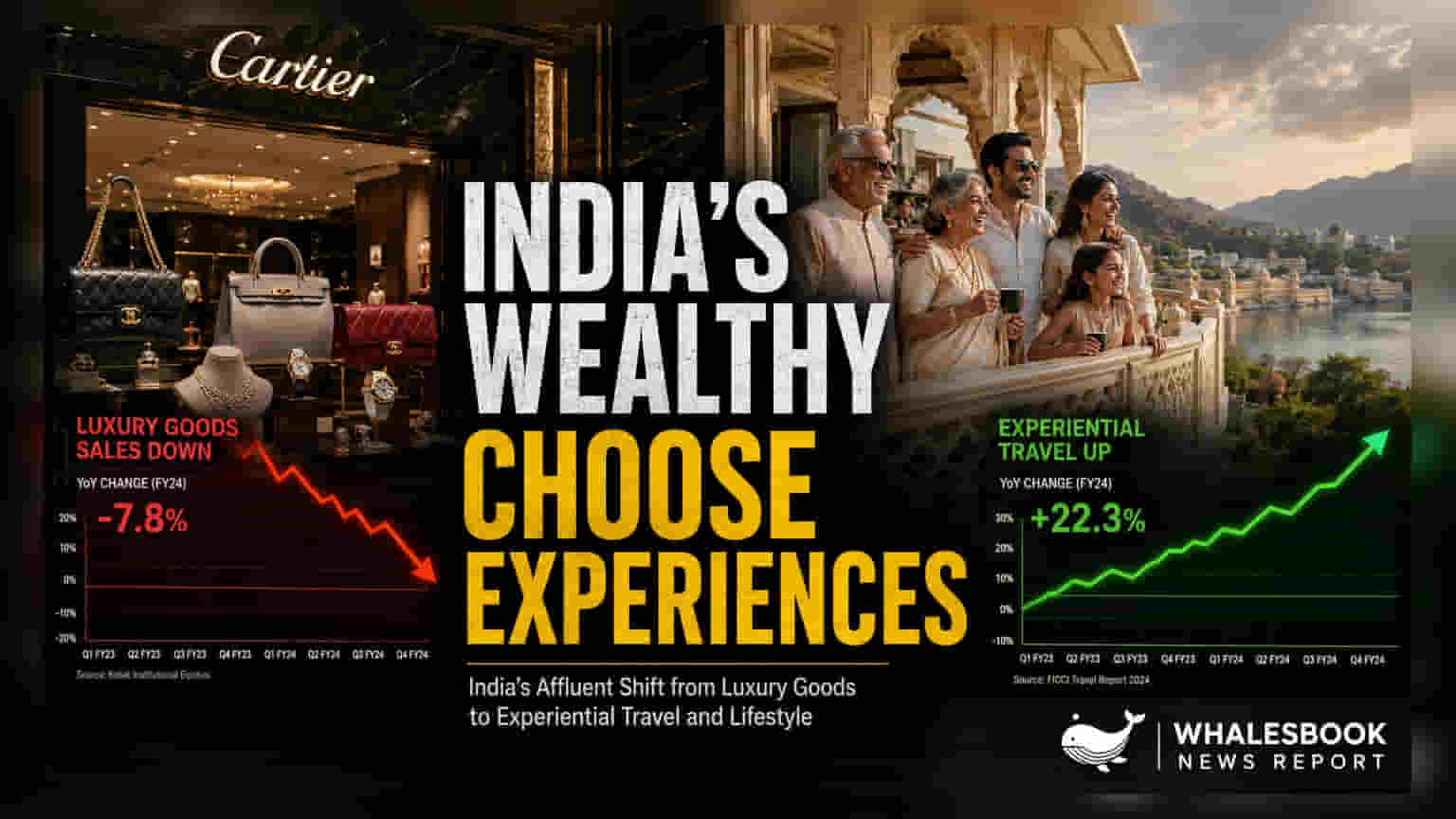
A new Visa Consulting & Analytics report indicates that 58% of discretionary spending by India's ultra-elite is now directed toward travel, signaling a shift away from traditional luxury retail. This change in consumer behavior provides a potential tailwind for luxury hospitality brands while raising questions for premium retailers competing for the same discretionary income.
What Happened
India's affluent consumers are significantly changing their spending habits, according to a recent white paper by Visa Consulting & Analytics titled India's Affluent Economy 2025-26. The report reveals that 58% of all discretionary spending by the country's ultra-elite is now allocated to travel. This shift marks a clear move away from ownership-based luxury, such as high-end retail, in favor of experiences like exclusive villa rentals, multi-generational holidays, and full-resort buyouts. Data from Allianz Partners further supports this trend, showing that 68% of Indian respondents intend to increase their luxury travel spending this year, a rate significantly higher than the global average.
The Pivot From Goods To Experiences
The fundamental change is the definition of luxury. For India’s wealthiest, luxury is increasingly about privacy, shared experiences with family, and time rather than just material goods. This trend is driving demand for "exclusive-use" hospitality, where families book entire resorts or villas to ensure complete privacy. For investors, this confirms that the traditional model of luxury consumption is under pressure as discretionary income is diverted toward high-ticket travel packages and customized vacation experiences.
Impact On Hospitality And Retail Stocks
This shift creates a distinct divide in the consumer sector. Hospitality companies that own or manage high-end resort portfolios, such as Indian Hotels Company Ltd (Taj Group), EIH Ltd (Oberoi), Chalet Hotels, and Mahindra Holidays, may benefit from this preference for high-quality, experiential travel. These companies often have the infrastructure to cater to the demand for luxury, privacy, and curated family experiences.
Conversely, companies in the premium retail sector—such as luxury watchmakers or high-end clothing brands—may face a challenge. If the wealthy are redirecting their budget from physical goods to holiday experiences, retailers must work harder to retain wallet share. While companies like Titan Company remain resilient due to the cultural importance of jewelry in India, other discretionary luxury segments could see their growth rates impacted by this shift.
What Could Pressure This Growth
The primary risk for the luxury hospitality sector is its high sensitivity to economic cycles. Spending on luxury travel is often the first to be cut if the economy slows down, interest rates rise, or if there is a dip in consumer sentiment among the ultra-rich. Furthermore, the luxury hospitality market is highly competitive. Success depends on maintaining high-quality service and exclusivity, and failure to meet the exacting standards of the ultra-elite could lead to loss of market share to boutique, non-listed competitors or international operators entering the Indian market.
What Investors Should Track Next
Investors tracking this trend should look for specific indicators in quarterly results. For hospitality companies, key metrics include Revenue Per Available Room (RevPAR) and Average Room Rate (ARR), which reflect pricing power. For luxury retailers, it is important to watch for demand patterns during major festive seasons. Additionally, management commentary regarding the demand for "premium" vs. "value" segments will offer clarity on whether this trend of prioritizing experiences over goods remains sustainable.