

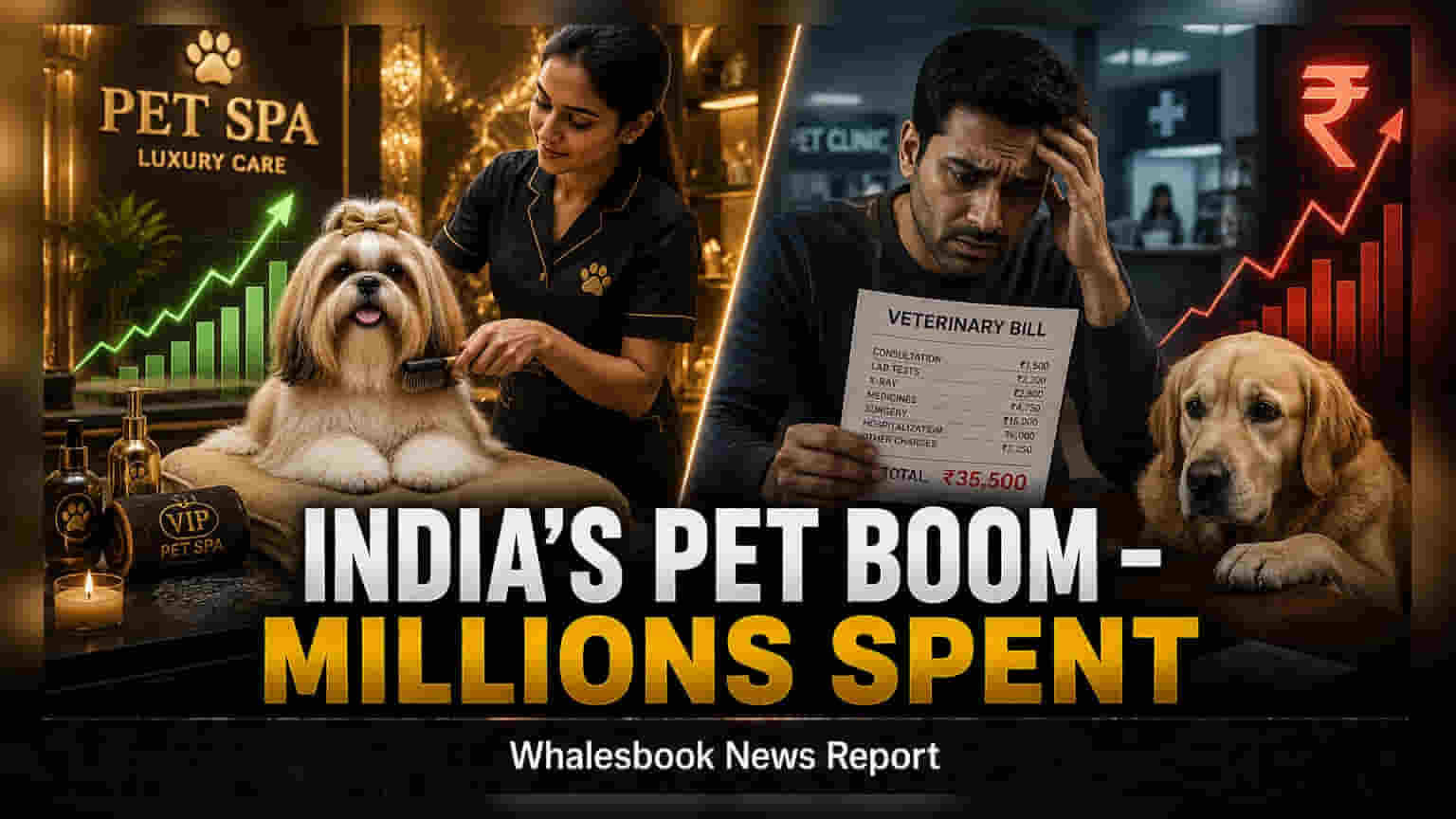
India’s pet care market is expected to grow from ₹30,434 crore in 2024 to ₹2.1 lakh crore by 2032. This expansion is driven by the 'pet parent' trend, which is shifting spending toward premium nutrition, specialized healthcare, and luxury grooming services. As urban households increase their pet ownership, businesses are seeing higher demand for high-end, species-specific products and professional veterinary care.
The Indian pet care landscape is experiencing a fundamental shift as more households treat their animals as integral family members. This cultural transition, often termed the 'pet parent' phenomenon, is transforming a once-niche sector into a multi-billion-dollar industry. Recent data indicates the market was valued at approximately ₹30,434 crore ($3.6 billion) in 2024 and is projected to scale to ₹2.1 lakh crore ($24.8 billion) by 2032.
Drivers of Premium Spending
Growth is no longer confined to basic pet food. Modern consumers are increasingly prioritizing premiumization, opting for grain-free, fresh-cooked, and nutritionally specialized diets over conventional packaged options. This trend extends into services, where grooming and healthcare have become significant recurring expenses. Professional grooming sessions can start at ₹500, while standard veterinary consultations often average around ₹1,200 per visit, excluding the costs of advanced diagnostics or specialized treatments. The rise in veterinary costs is also creating a new market for pet insurance, with entry-level policies starting at approximately ₹169.
Market Diversification and Consumer Trends
While dogs and cats remain the most common companions in urban India, households are diversifying their pet choices. The growing popularity of rabbits, birds, ornamental fish, and reptiles is compelling retailers to stock specialized products and creating demand for focused veterinary expertise. Despite the growing trend of adopting Indie or street dogs—which now represent about 20% of the patient base at some veterinary facilities—consumer spending in the luxury segment remains heavily concentrated on popular pedigree breeds such as Shih Tzus and Retrievers.
The Industry Contrast: Organized vs. Unorganized
Investors should note that while the premium pet economy is expanding rapidly, it exists alongside the significant challenge of managing India's large population of free-roaming street animals. The vast majority of spending is currently concentrated in urban centers, and the scalability of these business models may depend on how companies navigate the competition between organized retail and traditional, unorganized local vendors. Additionally, the reliance on pedigree breeds for high-ticket sales means that companies focusing on this segment are sensitive to shifts in urban pet ownership preferences. As the industry matures, the key monitorables for investors include the adoption rates of pet insurance, the frequency of professional veterinary services, and the ability of organized chains to capture market share from the fragmented, unorganized pet care segment.