

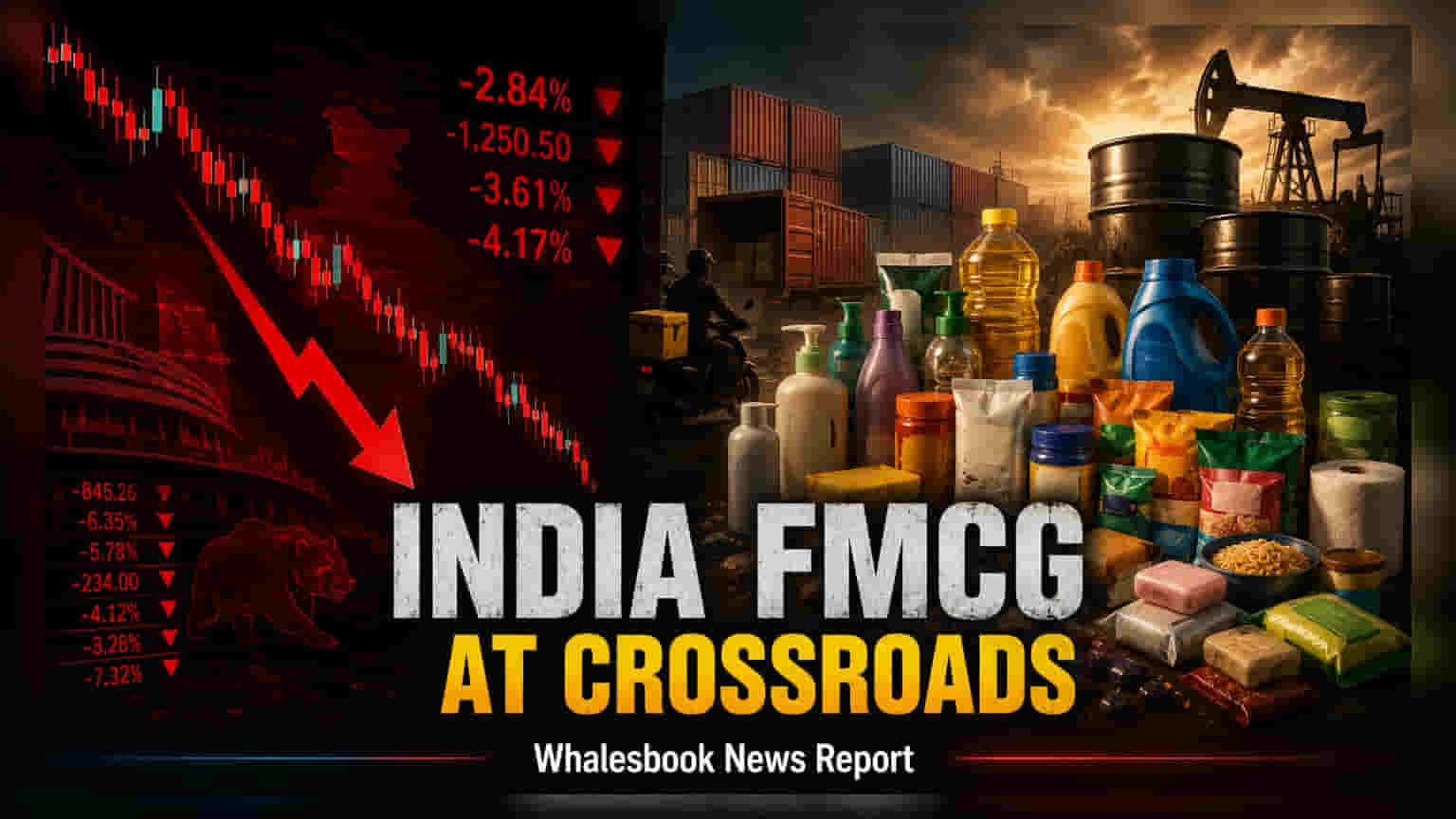
As of August 2026, the Indian FMCG sector is balancing strong festive demand projections against rising input costs driven by West Asia geopolitical tensions. While the industry has stabilized after the 2025 GST rate changes, the rapid rise of quick commerce is fundamentally altering distribution and product strategies. Investors should track how major players manage margin pressure amid persistent commodity inflation.
The Indian FMCG (Fast-Moving Consumer Goods) sector has entered the second half of 2026 with a dual outlook. While companies are reporting resilient volume growth and preparing for an expected 9-11% increase in demand during the upcoming festive season (August to November), they are simultaneously navigating a complex cost environment. The industry is currently defined by a shift toward digital-first distribution and the need to manage input price volatility caused by external geopolitical factors.
The Quick Commerce Transformation
Quick commerce has evolved from a convenience feature into a critical growth engine for major FMCG players. Companies such as HUL, Marico, and Nestlé India are now treating these platforms as a primary channel rather than an experimental one. This shift is forcing traditional manufacturers to shorten their product innovation cycles and customize assortments specifically for instant delivery users. Unlike traditional retail, which relies on long-term inventory planning, quick commerce provides real-time data, allowing companies to test new products and adjust strategies faster than before. For investors, this means the distribution power of a company now depends heavily on its ability to integrate with rapid delivery networks.
Geopolitical Impact on Costs
Geopolitical tensions in West Asia continue to cast a shadow over operating margins. The conflict has led to sustained volatility in the prices of key commodities, including crude oil, palm oil, and packaging materials. This has increased freight and operational expenses across the sector. To protect profit margins, most manufacturers have implemented selective price increases ranging from 3% to 10% or have opted for grammage adjustments—reducing the product size while keeping the price the same—to maintain affordability for the consumer. While spot crude prices have occasionally eased, the underlying cost of logistics and derivatives remains higher than the previous year.
The Legacy of GST Adjustments
The GST rate rationalization that took effect in September 2025 initially caused significant operational friction, including dual pricing and inventory management challenges. A year later, these disruptions have largely normalized. Companies have moved past the initial chaos of managing old and new price tags. However, the legacy of that reset is a changed pricing architecture where companies are more cautious about headline price changes, often preferring to adjust product quantity or packaging to manage tax and cost implications. The focus has shifted from the initial administrative burden to long-term efficiency and supply chain optimization.
Moving forward, the primary monitorables for investors include the consistency of rural demand, which remains sensitive to weather-related risks like monsoon performance, and the ability of firms to maintain profit margins despite high commodity costs. While urban consumption remains stable, the sustainability of volume growth during the festive season will be a key indicator of the sector's health in the coming quarters.