 Whalesbook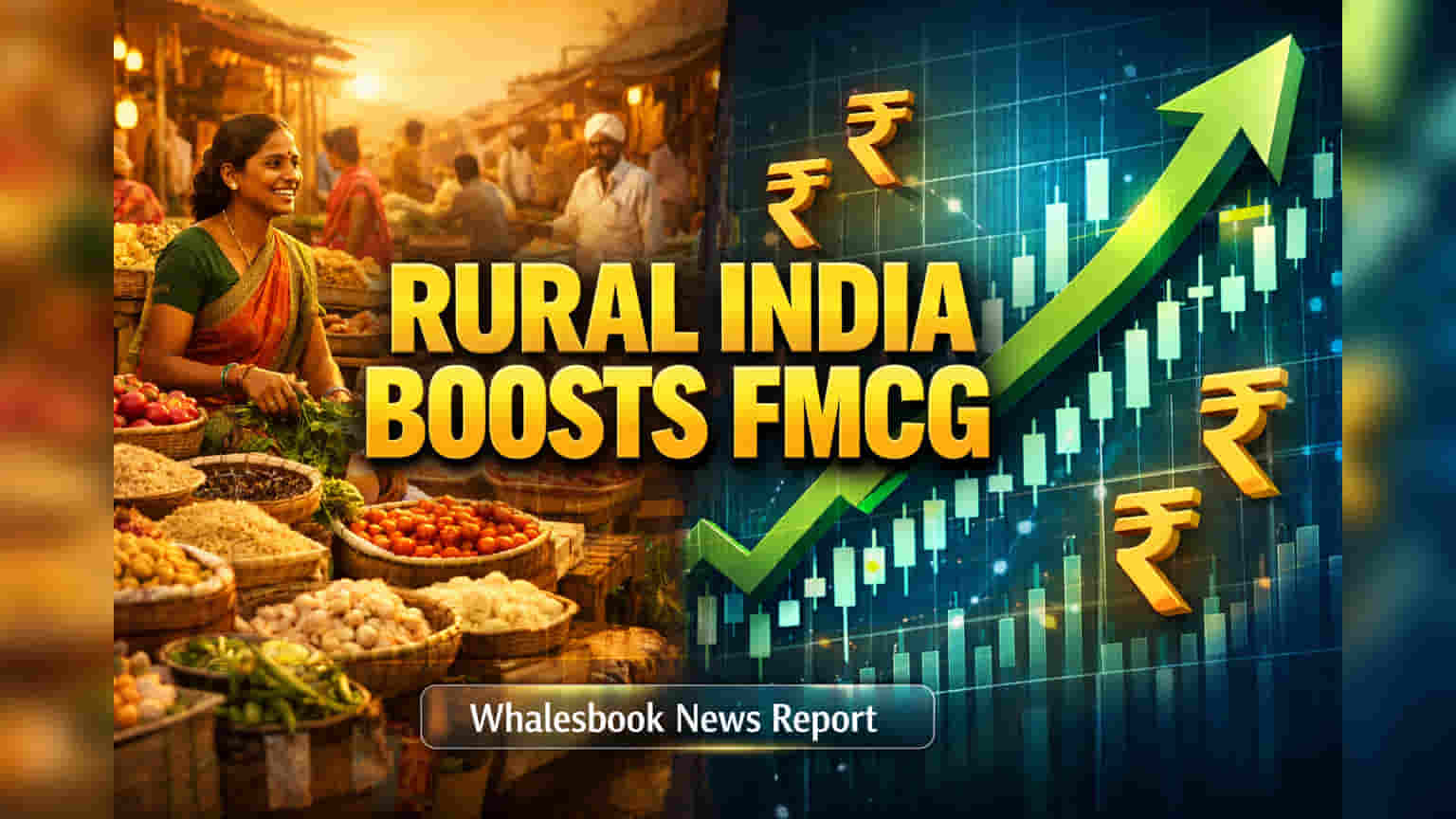


India's Fast-Moving Consumer Goods (FMCG) sector is navigating a significant shift. Although overall value growth for fiscal year 2026 slowed to 6% from 9.5% in FY25, the market is showing distinct trends. Strong demand from non-urban areas is a key driver, but it's occurring alongside rising costs and more careful consumer spending. This indicates a period of normalization rather than broad expansion.
Rural Demand Drives FMCG Growth Amid Slowdown
The FMCG sector's overall value growth settled at 6% in FY26, a considerable dip from the 9.5% expansion recorded in FY25. This moderation is largely due to urban markets cooling, which saw value growth of 4.9%. In contrast, non-urban regions became the main driver of growth, registering 6.7% value increase. This difference highlights a significant shift in consumption, with rural and semi-urban areas becoming more vital for sector expansion. This trend is supported by government initiatives and improved agricultural output, which boosts rural disposable incomes.
Category Performance Varies: Essentials Lead Pack
Staples and dairy products continued their strong performance, with value growth of 12.6% and 12% respectively. Packaged foods also grew well at 7.1%. Personal care items, often seen as discretionary, saw a 4.7% year-on-year increase, showing some spending resilience. However, home care sales declined slightly, and beverages and confectionery faced pressure, growing only between 3.2% and 3.4%. This mixed performance indicates consumers are prioritizing essentials and value.
Rising Costs Pressure Margins
Rising raw material costs, amplified by geopolitical instability in West Asia, are further complicating the sector's performance. Global commodity prices, especially crude oil, have increased due to the conflict, raising logistics and packaging expenses for FMCG companies. Price volatility in key inputs like palm oil and edible oils also adds to cost pressures, threatening profit margins.
Market Valuation and Player Strategies
The Indian FMCG sector currently trades at a premium, with a Price-to-Earnings (P/E) multiple of around 56.75. This valuation reflects its perceived stability and consistent demand. Major players like Hindustan Unilever, ITC, and Nestle India rely on their wide distribution networks and brand loyalty to manage competition. Their strategies increasingly focus on expanding into rural areas and tailoring products for local tastes, a vital move given the stronger performance in non-urban markets.
Challenges and Risks Ahead
Consumers are spending more selectively, prioritizing essentials and value, making it difficult for companies to pass on higher costs without affecting sales volumes. This creates a delicate balance for managing prices and demand. While rural demand has been resilient, it can be vulnerable to factors like poor monsoons or reduced government support programs. The sector's high P/E multiple also offers little room for error, making it susceptible to drops if growth slows or costs rise further. Companies with less robust supply chains or simpler product ranges face greater risks.
Outlook Remains Cautiously Optimistic
Looking ahead, analysts expect continued value growth for India's FMCG sector, supported by favorable long-term demographics and the growing economic importance of rural markets. However, concerns persist regarding input cost inflation and the sector's ability to turn revenue growth into higher profits. Future success will depend on how well companies manage supply chains, adjust pricing, and adapt to price-sensitive consumers. The market will likely see selective category growth, with success hinging on strategic flexibility and operational efficiency.