 Whalesbook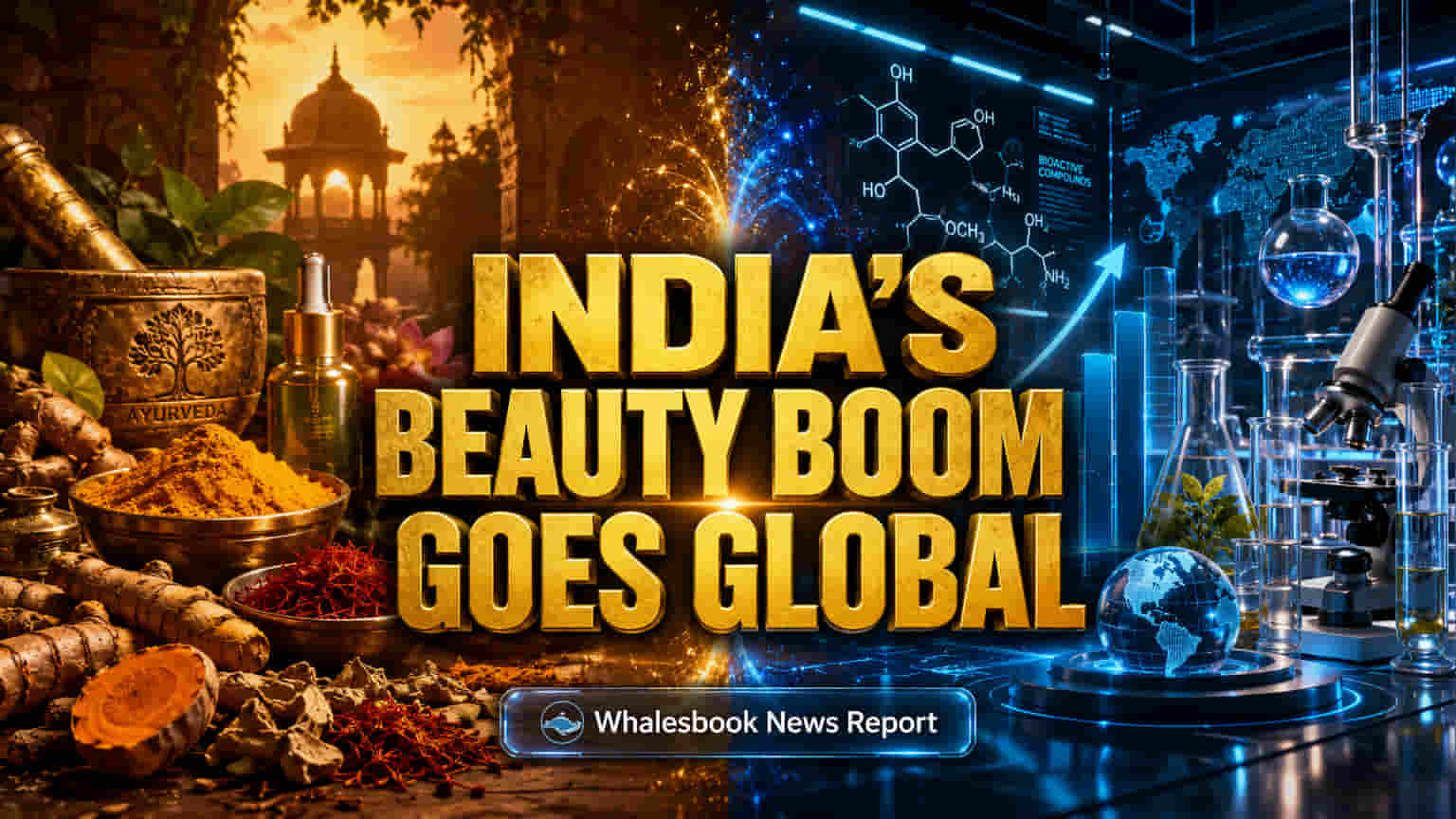


India's Ayurvedic Beauty Gains Global Traction
The global beauty market is seeing a significant shift with "I-beauty," an Indian trend that combines ancient Ayurvedic traditions with modern skincare science. This fusion, using ingredients like turmeric and saffron alongside active compounds such as vitamin C, appeals to consumers seeking natural, wellness-focused products and is drawing interest from global companies. BMI forecasts this trend will see significant global growth between 2026 and 2030, boosted by rising exports and key acquisitions.
Investments are substantial. L'Oréal India is reportedly in talks to buy a majority stake in Innovist, a digital beauty firm valued at $350 million to $450 million. Reliance Retail has acquired the Himalayan-inspired brand Pahadi Local. Estée Lauder is finalizing its purchase of the remaining stake in Forest Essentials, while Hindustan Unilever completed its purchase of Uprising Science, owner of Minimalist skincare, for about ₹2,706 crore in April 2025. These deals show global giants are racing to gain market share in one of the world's fastest-growing beauty markets, signaling both opportunity and potential shifts in brand identities.
Indian Brands Blend Tradition with Science
The 'I-beauty' trend thrives on products that offer effectiveness, transparency, and ethical sourcing, meeting today's consumer demands. Indian brands skillfully combine traditional wisdom with scientific backing, standing out in the growing skincare market. This approach sets them apart from Western brands, which are often seen as using more conventional ingredients.
Innovist, for example, grew fast by focusing on science-backed products and online sales, meeting L'Oréal's need to boost its slowing Indian growth. Pahadi Local's emphasis on sustainable Himalayan ingredients fits Reliance Retail's plan to expand its collection of Indian brands with a clear purpose. Demand is also boosted by global trends favoring natural, cruelty-free, and eco-friendly products. Indian brands are also innovating in makeup, offering hybrid products that combine cosmetic effects with skincare benefits.
Indian Beauty Exports Surge Globally
Trade figures confirm the growing global appeal of Indian beauty products. India's personal care exports hit $1.2 billion in 2025, up from $600 million ten years earlier. Cosmetics and skincare are the biggest export categories. Exports to the U.S. grew significantly to $183.5 million in 2025, while sales to the EU reached $118.7 million.
A new Free Trade Agreement (FTA) between India and the EU is expected to speed up this growth by gradually cutting tariffs on cosmetics over five to seven years. The FTA will make it easier for Indian brands to enter Europe and boosts India's role as a center for beauty innovation and manufacturing, encouraging collaboration. However, some export figures may reflect contract manufacturing for global companies, showing India's expanding role in global supply chains beyond its own brands.
Challenges Ahead: Saturation and Brand Identity
Despite strong growth forecasts, the 'I-beauty' sector faces significant challenges, mainly from a crowded market and tough competition. The global beauty market is already crowded. Established players, like K-beauty brands, have strong consumer loyalty, and many new brands compete for attention. This saturation can lead to consumer fatigue, making it harder for new brands to gain broad customer reach.
Also, while consumers have largely maintained beauty spending despite inflation, economic pressure could increase price sensitivity, favoring cheaper options or store brands over premium ones. The aggressive buying by global giants, while proving the market's value, also risks diluting the unique spirit of 'I-beauty'. Large companies integrating these brands might weaken the distinct Ayurvedic heritage and local authenticity that made them popular, standardizing them for wider global tastes.
For example, L'Oréal is buying nimble direct-to-consumer (D2C) brands that succeeded online, as it aims to revive its Indian growth. The key question is whether these acquired brands can keep their distinct appeal and connection to Indian heritage while part of global groups.
Outlook: Balancing Growth and Authenticity
The beauty industry is set to grow about 5% annually until 2030, with India's market expected to nearly double to $40.8 billion by then. The 'I-beauty' trend, with its mix of tradition and science, is poised to capture a large part of this growth, helped by favorable trade deals and growing exports.
However, lasting success will require brands and their new owners to manage market saturation by focusing on real innovation, clear communication, and understanding consumer value. While major players like L'Oréal and Estée Lauder are investing heavily, their approaches will be watched for how they balance brand authenticity against market share. The sector's future will likely hinge on how well these 'I-beauty' brands can grow globally while keeping the unique cultural identity that first made them successful.