

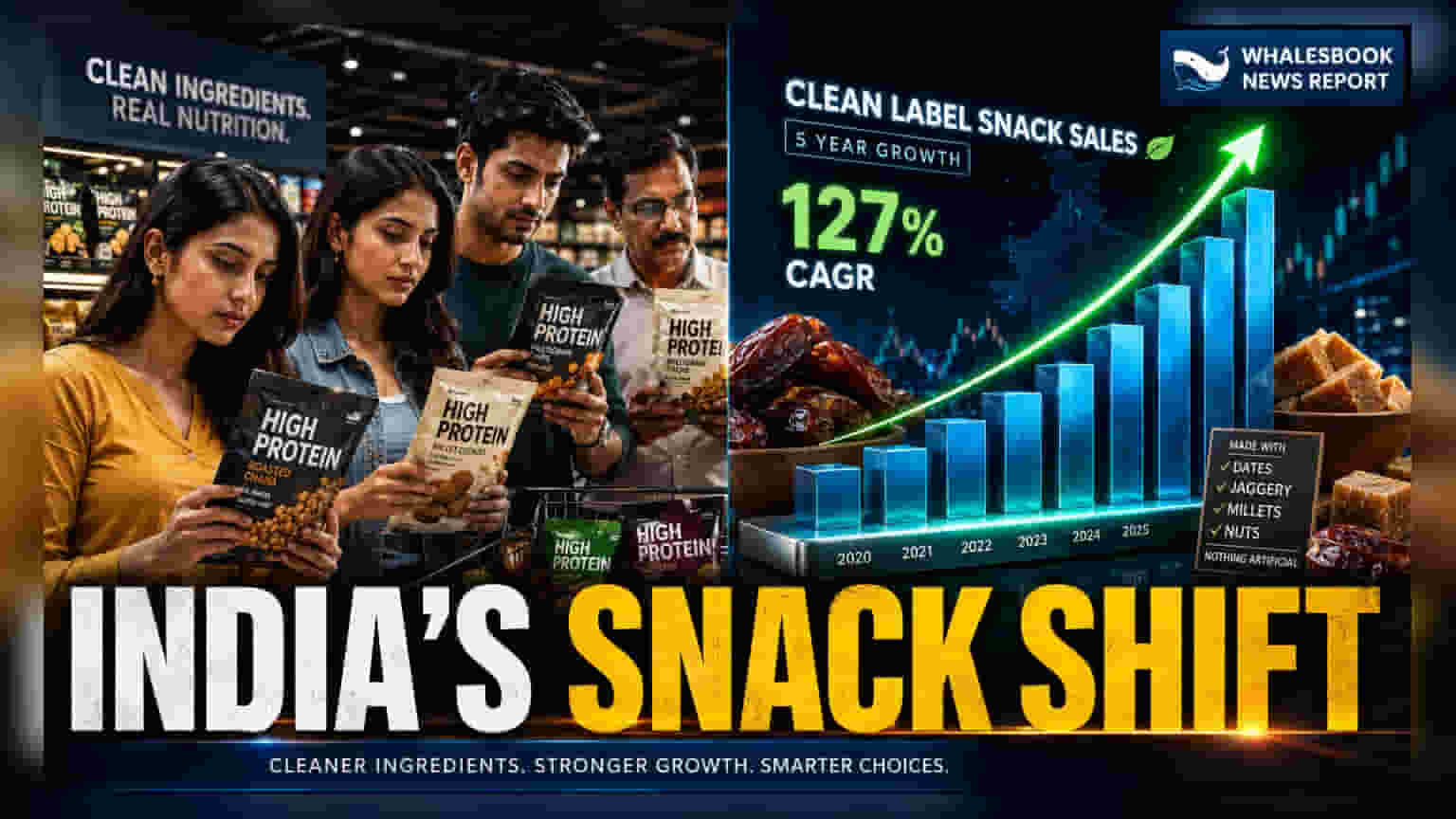
A 2026 Farmley report indicates that 86% of Indian snack consumers now prioritize protein content and transparent ingredient labels. This shift toward health-conscious purchasing is pressuring traditional snack brands to reformulate products, with one-third of consumers willing to pay higher prices for healthier, clean-label alternatives.
What The Data Reveals
The Indian snack market is seeing a fundamental change in consumer behavior, as highlighted by Farmley's 2026 Healthy Snacking Report. The study, which surveyed over 6,000 individuals, found that 86% of consumers now view protein as a vital component in their snack choices. Furthermore, 62% of those surveyed identified ingredient transparency—the ability to easily understand what is in a product—as the most important factor in their brand selection.
The Move Toward Clean Labels and Natural Sweeteners
There is a clear decline in the appetite for products heavily reliant on refined sugars. Approximately 61% of respondents now favor snacks that use natural sweeteners like jaggery and dates. This trend suggests that consumers are moving toward "clean labels," or products with minimal, recognizable ingredients, forcing companies to move away from artificial additives and processed fillers. This change in preference requires snack manufacturers to adjust their supply chains and product development processes to focus on healthier formulations.
Changing Sales Channels and Consumer Influence
While traditional retail channels still account for a significant portion of snack sales, the rise of quick commerce is shifting how brands reach customers. Quick commerce platforms such as Blinkit, Zepto, and Swiggy Instamart are becoming primary touchpoints, with 31% of respondents preferring Blinkit for snack purchases. Brands are now adapting their packaging to suit these channels, with 30% of consumers citing the convenience of resealable packaging as a key differentiator. Eco-friendly packaging also influences 25% of the buying decision, pushing companies to invest in sustainable packaging solutions.
Business Reality For Snack Manufacturers
For major players in the Indian food and beverage sector, this shift means that premiumization—moving toward higher-value products—is no longer optional. Companies that fail to incorporate functional ingredients or provide clear nutritional information risk losing market share to newer, health-focused brands. The report points to specialized niches, such as snacks targeted at children or those tailored to specific women's health needs, as key areas where consumers show higher price sensitivity and willingness to pay premiums.
What Investors Should Track
Investors should monitor how established fast-moving consumer goods (FMCG) companies adjust their product portfolios to meet these health demands. Key monitorables include the rate of new product launches in the health-snacking segment, investments in natural ingredient sourcing, and the extent of digital transformation within distribution networks to tap into quick commerce growth. Additionally, tracking whether companies can maintain profit margins while using costlier natural ingredients will be important for assessing the long-term impact on financial health.