

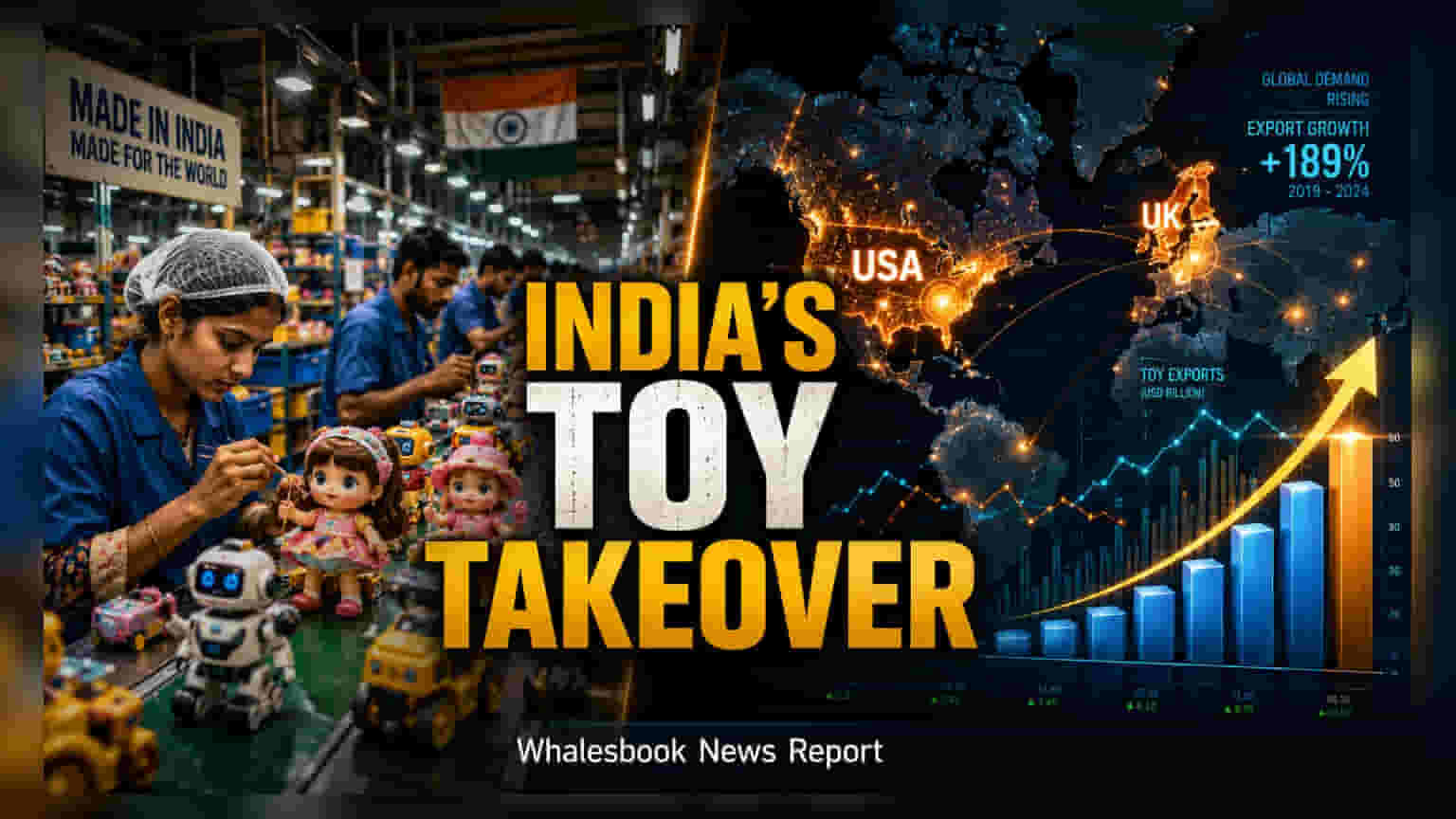
India plans to capture 5% of the $71 billion global toy market by 2032, aiming to expand from its current under 1% share. The strategy focuses on exports to key nations like the US and UK, targeting categories such as AI-assisted toys and smart learning products.
The Indian government has unveiled a roadmap to significantly grow its presence in the global toy industry, setting a target to reach a 5% market share by 2032. Currently, India accounts for less than 1% of the global toy trade, making this an ambitious goal for local manufacturers and exporters. The Department for Promotion of Industry and Internal Trade has highlighted ten target countries for this expansion, including the United States, the United Kingdom, Poland, and Australia.
To achieve this growth, the strategy emphasizes moving beyond traditional toys into modern, high-value segments. The government is encouraging local producers to develop smart learning products, AI-assisted toys, and items featuring augmented reality. Additionally, there is a push to create products based on Indian cultural themes and heroes, which manufacturers hope will find a niche in international markets. The industry is also exploring opportunities in connected toys and video game consoles to align with shifting global consumer preferences.
This initiative builds on a noticeable change in the sector's trade balance over the last several years. Between FY19 and FY26, domestic toy imports dropped by 37.5%, while exports climbed by 89.1%. This shift suggests that domestic manufacturing is becoming more competitive, reducing the historical reliance on imported toys. Investors tracking this sector may monitor whether companies can successfully transition from basic manufacturing to high-tech and value-added toy production while maintaining quality standards required for competitive international markets.
While the export growth trend is positive, the industry faces challenges in scaling operations to meet global demand consistently. Success in these international markets will depend on the ability of Indian manufacturers to manage raw material costs, navigate varying international safety regulations, and compete with established global players who already hold significant market share. Moving forward, stakeholders will likely keep a close eye on the volume of exports to the identified focus countries and the pace at which companies adopt new technologies to remain relevant in the evolving toy sector.