 Whalesbook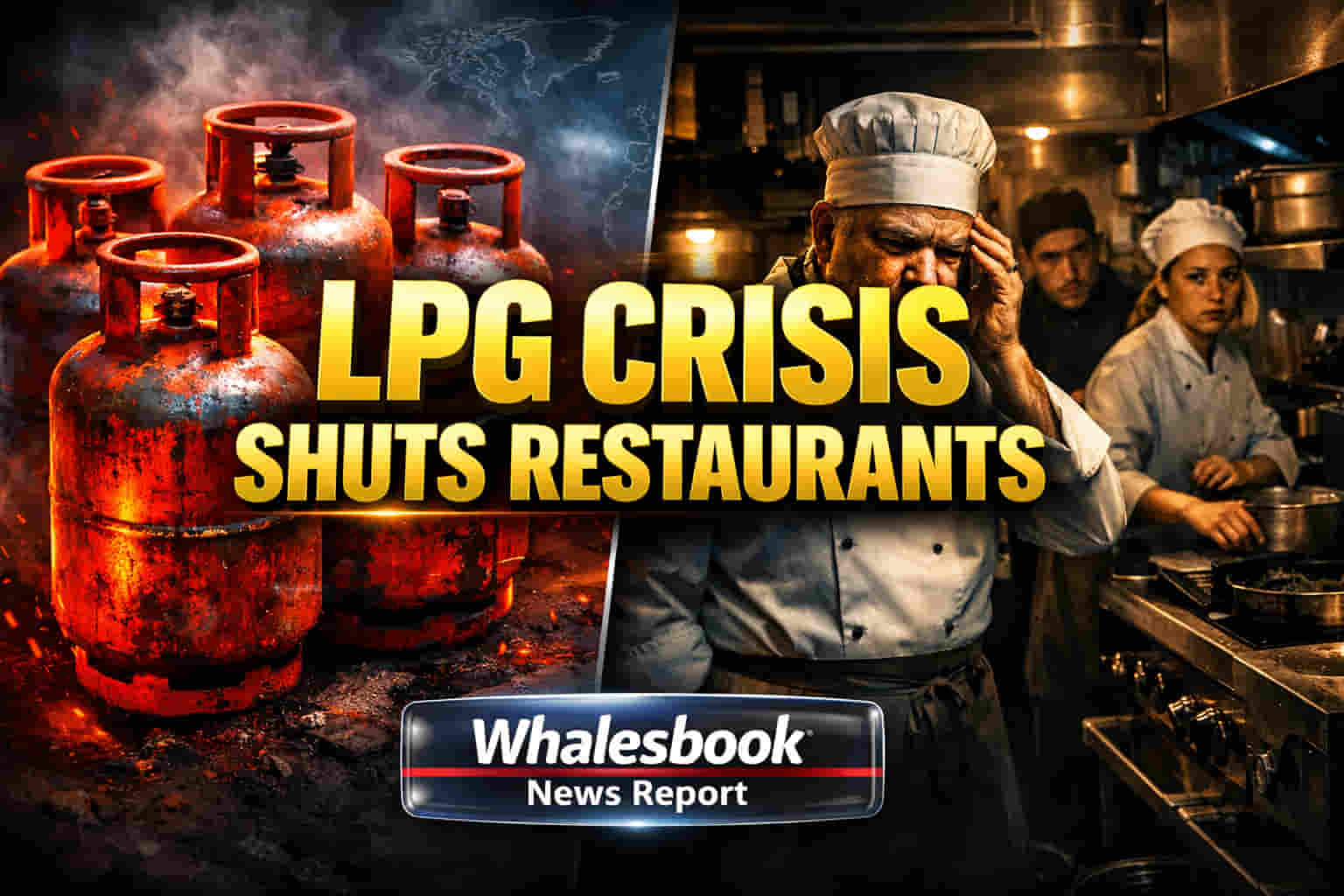
LPG Shortage Forces Restaurant Operations to a Halt
Global energy markets are feeling the heat from West Asia tensions, causing severe shortages of commercial Liquefied Petroleum Gas (LPG) across India. Restaurants, especially those relying on gas burners, face a significant challenge. Bengaluru and Chennai are among the hardest-hit areas, with supply issues also reported in parts of Delhi and Kolkata. This situation highlights how vulnerable the food service sector is to global energy market instability.
High-Heat Cooking Faces Hurdles
Crucial cooking methods, especially for dishes like Chinese cuisine and biryani that demand high-pressure gas burners, make LPG essential for about 70% of menus. While some restaurants are trying induction and rice cookers, these alternatives cannot meet the sustained high-heat requirements for many dishes. This forces immediate cuts to menus, impacting what customers can order. Operators are feeling the sharp edge of energy cost swings.
Industry Voices Sound Alarm as Supplies Dry Up
In Chennai, several small restaurants have already closed down due to an inability to get replacement gas cylinders. Gas agencies report persistent shortages, with limited stock lasting only days. Businesses are struggling to stay open, facing substantial fixed costs such as rent, salaries, and license renewals. With tight monthly cash flows, extended disruptions pose a direct threat to survival. Many are now looking at ways to limit their menu offerings to manage operations.
Divide in Resilience: Piped Gas vs. LPG
Restaurants using piped gas connections have avoided this immediate crisis, showing a stark difference in resilience. However, the broad reliance on LPG leaves many exposed. Larger chains with stronger supply contracts and financial reserves might fare better, but independent and smaller restaurants face greater difficulties. This situation urgently highlights the need to explore alternative cooking energy sources, a move that requires significant investment and kitchen upgrades often out of reach for smaller businesses.
Why Small Businesses Are Most at Risk
India's food service sector's heavy reliance on LPG poses a significant risk amid ongoing geopolitical instability. Small businesses, already struggling with thin margins post-pandemic and rising inflation, are poorly equipped to handle prolonged LPG shortages or the expense of switching to electric or induction cooking. This vulnerability could trigger widespread closures, especially among informal and small operators, potentially affecting consumer spending through higher food costs or reduced variety. Past energy price shocks have historically led to lower profits and operational stress for the hospitality industry.
Outlook: Continued Shutdowns or Cost Hikes?
If LPG supplies don't improve soon, more temporary shutdowns are expected. Restaurants might have to raise prices significantly to cover potential higher costs of alternative fuels or operational issues. This pressure could also speed up the move towards electric cooking, though the high initial cost remains a barrier for many. Analysts warn that the food service industry's exposure to supply chain shocks requires a wider strategy for energy diversification and greater operational flexibility to ensure long-term stability.