

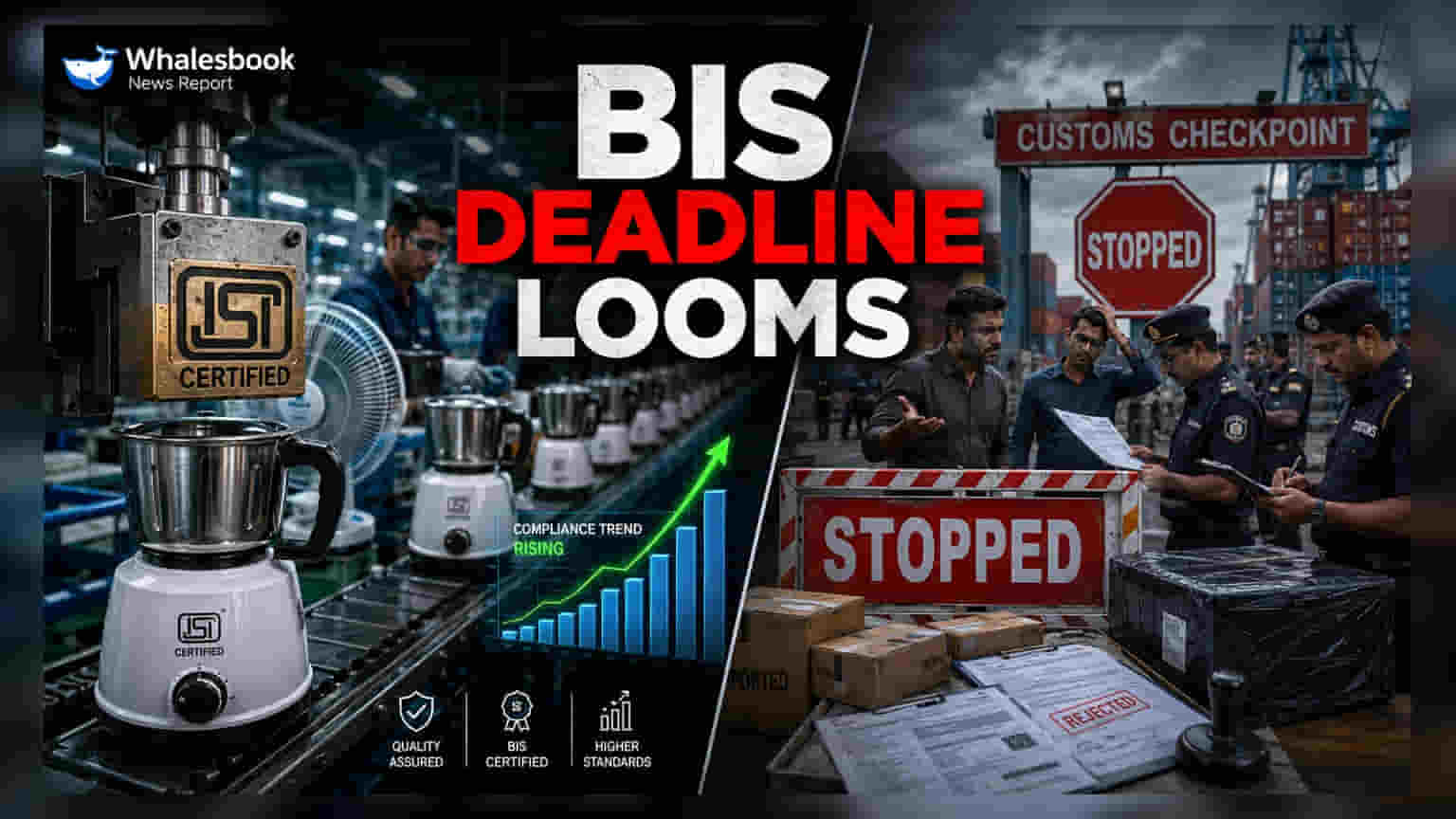
Starting October 1, 2026, manufacturers and importers must secure BIS certification for 90 types of electrical appliances. This regulation aims to improve product quality and safety by requiring the ISI mark for legal sale. Companies face penalties or sales bans if they do not comply by the set deadlines.
Starting October 1, 2026, the Indian government will enforce mandatory Bureau of Indian Standards (BIS) certification for 90 categories of electrical appliances. This regulation applies to manufacturers, importers, and sellers, requiring all specified goods to carry the ISI mark before they can be legally manufactured, stored, or sold within the country. The initiative is a significant step toward standardizing product safety and reducing the influx of low-quality electrical products in the Indian market.
Impact on Manufacturers and Importers
The range of products covered by this mandate includes common household items such as food processors, ovens, electric toothbrushes, vacuum cleaners, and various personal beauty devices. For businesses, the certification process is not merely a formality but a comprehensive procedure that involves rigorous product testing and official factory inspections. Because the entire approval process can take anywhere from three to six months, companies are advised to begin their applications early to avoid potential supply chain disruptions.
Implementation Deadlines by Business Size
To help the industry adjust, authorities have structured the enforcement through a phased timeline based on the size of the manufacturing entity. Large and medium-sized manufacturers, along with all entities importing these goods into India, are required to be fully compliant by October 1, 2026. Smaller businesses have been given more time to adapt; small enterprises must meet these standards by January 1, 2027, while micro-enterprises have until April 1, 2027, to secure the necessary licenses.
Business Risks and Regulatory Consequences
Companies that fail to comply with these requirements by their respective deadlines face serious operational risks. Under the BIS Act of 2016, non-compliant entities could encounter restrictions on manufacturing and sales, potential seizure of goods at customs, and mandatory product recalls. Furthermore, the act provides for penalties for those who continue to distribute uncertified products. For investors in the consumer electronics and appliance sector, the primary monitorable will be whether domestic companies have sufficient testing infrastructure or financial readiness to complete the certification process without experiencing a drop in production capacity or higher-than-expected compliance costs.
While the mandate increases the cost of doing business, it may ultimately provide a competitive advantage to established players who can quickly navigate the regulatory requirements. Smaller, unorganized players who cannot meet these quality benchmarks may struggle, potentially allowing larger firms with stronger compliance departments to increase their market share over time. Investors should track management updates regarding the status of their BIS applications and any potential impact on capital spending as companies upgrade their testing and production facilities to meet these national standards.