 Whalesbook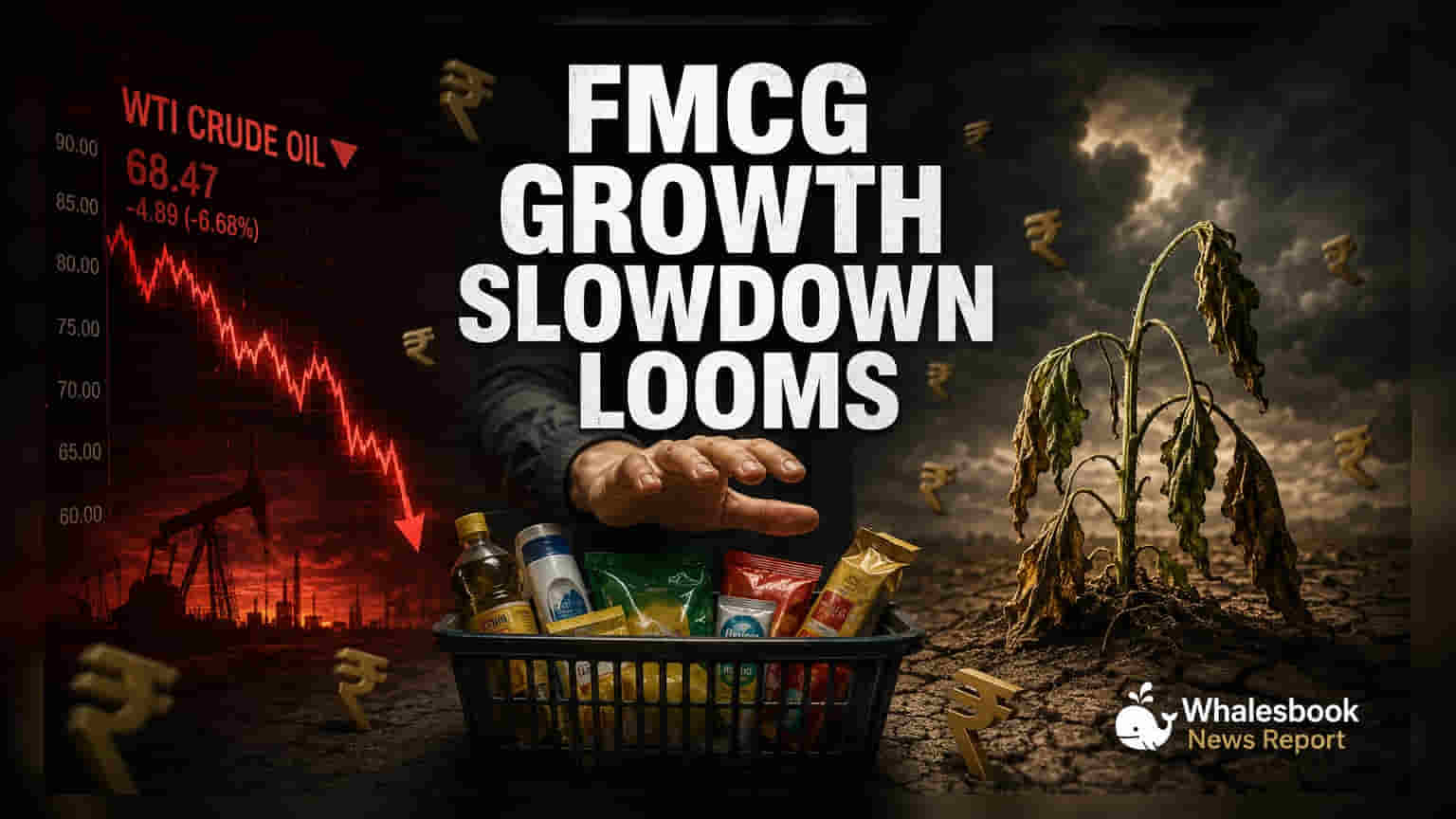


Indian FMCG Sector Faces Growth Challenges
The Indian Fast-Moving Consumer Goods (FMCG) sector is navigating a critical period, with growth expected to slow from the 4.5% rate seen in 2025-26. Geopolitical tensions influencing crude oil prices and concerns about monsoon rainfall are directly impacting consumer behavior and corporate strategies.
Macroeconomic Pressures Impacting Growth
The anticipated slowdown in FMCG volume growth is driven by several macroeconomic factors. Ongoing geopolitical conflicts are causing fluctuations in global energy markets, increasing transportation and production costs. Simultaneously, forecasts suggest a potentially below-normal monsoon season, which could hurt agricultural output, raise food inflation, and reduce purchasing power in rural areas. Sustained high crude oil prices could cap FMCG volume growth between 4% and 4.5%. This environment may lead companies to implement selective price increases, a move that historically reduces how often consumers buy products and encourages larger, more planned purchases. If high energy costs combine with weather-related food inflation, volume growth could fall to 3-4%, similar to consumer adaptations seen during past economic downturns.
Evolving Consumer Habits and Spending
Recent disruptions and price hikes in Liquefied Petroleum Gas (LPG) have visibly changed household habits. Consumers are increasingly using cost-saving methods, such as preparing meals in larger batches and reducing cooking frequency. What began as a short-term response to price increases is developing into more lasting behavioral changes. Persistent inflation is prompting consumers to trade down to less expensive brands and buy items less often, making these habits more ingrained. The trend also favors convenient, easy-to-prepare food options. Consumers are consolidating their shopping trips, purchasing items less frequently but spending more per trip, with average spend per occasion rising from Rs 121 to Rs 139 over the past two years.
Risks to Growth Outlook
If crude oil prices remain high due to ongoing geopolitical instability, the FMCG sector risks having its growth limited to 4-4.5%. In this scenario, companies may consider price hikes, which could directly reduce how often consumers purchase goods. This could lead to a pattern of planned, larger purchases, potentially affecting impulse buys and smaller, frequent top-ups. The risk of food inflation, worsened by adverse weather affecting crop yields, presents a dual challenge. This could further reduce volume growth to the 3-4% range, creating a difficult operating environment. Consumers' demonstrated ability to adapt by batch cooking and reducing meal frequency suggests a long-term shift away from spontaneous consumption toward efficiency and value. This structural change could challenge traditional sales models that depend on frequent, smaller purchases.