 Whalesbook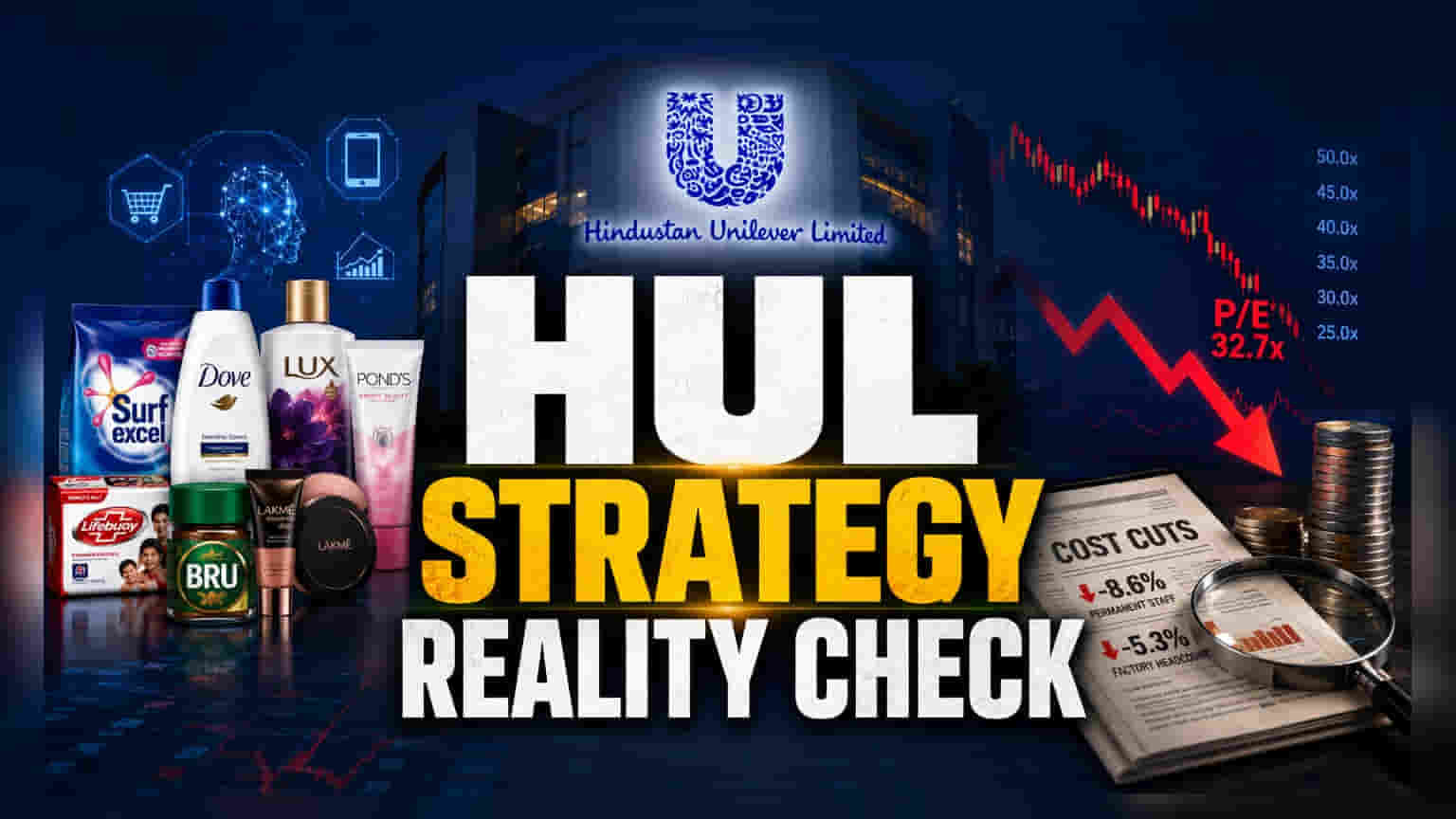


The Valuation Gap
Hindustan Unilever Ltd (HUL) currently trades at a price-to-earnings (P/E) ratio of approximately 32.7x, a notable contraction from the elevated multiples exceeding 50x seen in recent years. This valuation compression suggests the market is pricing in the reality of slowing growth rather than the long-term consumption narrative promoted by leadership. While the stock retains its status as a large-cap staple, its recent performance, including a significant decline over the past year, highlights the gap between corporate vision and investor skepticism regarding near-term earnings quality.
The Analytical Deep Dive
Chairman Nitin Paranjpe’s recent emphasis on digital-first, science-led brands within beauty and wellbeing is not merely a strategic pivot—it is a survival mechanism. As India’s FMCG sector reaches a maturation point in core categories, HUL is increasingly reliant on these high-margin segments to maintain momentum. However, internal data reveals structural challenges. The company reported a 6% underlying volume growth in the March 2026 quarter, yet operating margins remain sensitive to volatile commodity and packaging costs. Unlike nimble, digital-native competitors that lack the legacy overhead of a 100-year-old giant, HUL is forced to reconcile its vast, slow-moving distribution network with the rapid, AI-enabled personalization required by modern consumers. Market intelligence indicates that while HUL maintains a net-debt-free balance sheet, its inventory turnover ratios have faced pressure, suggesting an accumulation of stock that may necessitate further aggressive discounting or promotional spending.
The Forensic Bear Case
The recent 8.6% reduction in permanent staff and a 5.3% cut in factory headcount signify a deeper malaise within the organization’s cost structure. Critics argue these layoffs are a blunt tool used to mask stagnant profit growth following a period where non-recurring gains—specifically from the ice cream demerger—artificially inflated reported earnings. Management’s push for productivity under CEO Priya Nair is a tacit admission that organic growth in traditional categories has hit a ceiling. Furthermore, historical data confirms that when HUL’s core volumes plateau, the firm often struggles to sustain premium pricing power, leaving it vulnerable to regional players who are aggressively capturing market share in price-sensitive demographics. Investors should monitor the narrowing cash and cash equivalents, which may limit the company’s ability to fund necessary capital expenditure or inorganic acquisitions should the market environment deteriorate further.
The Future Outlook
Analyst consensus remains mixed, with recent downgrades reflecting skepticism toward the company’s ability to reclaim historical margins in the short term. While the long-term thesis relies on India’s demographic dividend and increasing per-capita consumption, the next 12 to 18 months will likely be defined by the success of internal restructuring and the ability to stabilize rural demand. Brokerage targets vary significantly, reflecting the uncertainty surrounding whether HUL can effectively transition its massive brand portfolio to the digital-first model without sacrificing the operational discipline that has historically defined its market leadership.